-
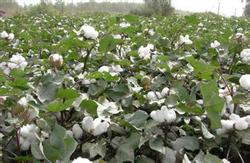
Five precautions for using regulators in cotton fields
1. Pay attention to the scope of application. Cotton fields suitable for plant growth regulators must have good water and fertilizer conditions, and the cotton must show a tendency to excessive growth or already be growing excessively. They must not be used in cotton fields where the climate is dry and irrigation is not possible, where growth is weak, or where growth is inhibited by pests and diseases. 2. Pay attention to the application period. Mepiquat chloride generally...
-
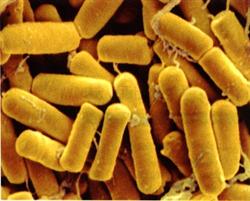
What are the precautions for using bacterial biological insecticides?
Bt is a bacterial biological insecticide commonly used in vegetable production today, and its effect on controlling Lepidoptera larvae is especially pronounced, but the following points should be noted when using it: 1. Check whether the quality of Bt passes muster; this can be tested by "smelling." Normal Bt products all contain a certain amount of bacteria; when the lid is opened...
-
What are the precautions for using insecticides during the melon seedling stage?
Melon seedlings are sensitive to many insecticides and are highly prone to pesticide damage, so insecticides must be used with extra care. For pests such as ground beetles, a moat method can be used: dig a small ditch around the seedbed, line it with waterproof plastic sheeting, then fill it with water and add Shennongbao or Amaier to form a barrier, which is very...
-
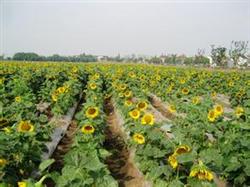
After using which herbicides can you not plant sunflowers in the following crop
If Pursuit (imazethapyr, imazethapyr acid) was used on the previous crop, there must be an interval of 18 months before planting sunflowers; for chlorimuron-ethyl (chlorimuron) there must be an interval of 18 months before planting sunflowers; if the per-hectare rate of nicosulfuron exceeds 60 grams of active ingredient, that is, more than 100 milliliters per mu of 4% nicosulfuron, there must be an interval of 24 months before planting...
-
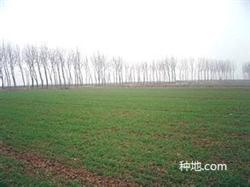
What are the precautions for using herbicides in wheat fields?
What should be noted when using herbicides in wheat fields? How should it be done? Applying herbicides to wheat requires the following strict practices: Strictly select herbicide varieties. There are many types of herbicides, and each herbicide has a certain spectrum of weed control. Some herbicides have a very narrow weed control spectrum, such as barban, which can only control wild oats; MCPA controls shepherd's purse, purslane, and wild oats very well, but its effect on cleavers is very poor; 2,4-D is effective against broadleaf weeds such as amaranth, but ineffective against grass weeds. Farmers should choose the right herbicide according to the most common weed species in the wheat field in order to achieve the desired effect. To control broadleaf weeds, herbicides such as chucaojing, dicaojing, tribenuron-methyl, and baijia mixture can be selected for good control results; however, metsulfuron-methyl, chlorsulfuron, and maicaoer can only be used early in wheat fields under a rice-wheat rotation system. If crops such as cotton, corn, peanuts, or beans are planted after rice, serious phytotoxicity will occur, leading to frequent incidents of almost total crop failure.
-
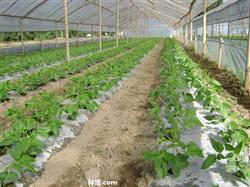
What are the precautions for using water-soluble flush fertilizer on greenhouse vegetables?
What should be noted when using flush fertilizer for greenhouse vegetable cultivation? Seeking answers. As a new type of topdressing, flush fertilizer is welcomed by the majority of farmers because of its features such as easy application, easy absorption and fast fertilizer effect. Especially in greenhouses with protected cultivation, it has been applied over a large area and achieved good economic benefits. Greenhouse veget...
-
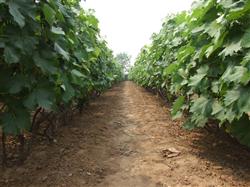
Precautions for Using Plant Growth Regulators on Fruit Trees
What should be noted when applying plant growth regulators to fruit trees? Plant growth regulators are synthetic organic compounds that promote, inhibit or otherwise alter a specific growth process in plants. Although they are trace substances, they can produce noticeable effects. But improper use often backfires, while rational use...
-
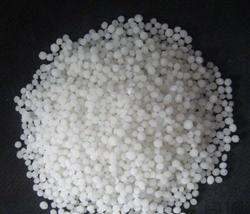
What should be noted when using urea?
How is urea applied? Here is an introduction to the field application methods of urea: it can be used as a base fertilizer and as a top dressing, but is not suitable as a seed fertilizer. When urea is used as a base fertilizer, two points should be noted. First, it should be applied deeply and covered with soil; do not irrigate immediately after application, to prevent the urea from leaching into deeper layers. When urea is used as a base fertilizer on dryland, be sure to apply...
-
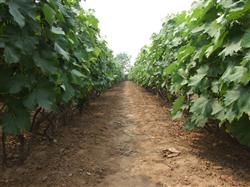
Scientific Methods for Using Fruit Tree Growth Regulators
How should growth regulators be used scientifically on fruit trees? Guidance requested. The following methods of using plant growth regulators can be used for reference: 1. Cutting rooting. Mainly used for grapes, kiwifruit, and apple dwarfing rootstocks. The commonly used agents are auxins such as indolebutyric acid (IBA), naphthaleneacetic acid (NAA), and sodium naphthaleneacetate. Methods of use: ①...
-
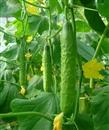
Detailed Guide to Using Plant Growth Regulators
What is the use of plant growth regulators on cucumbers? How can they be used well? 1. They help improve seed vigor and cultivate strong seedlings. (1) Soak cucumber seeds in 0.05 mg/L brassinolide for 24 hours to promote early emergence, uniform emergence, and strong seedlings, and to increase the resistance of sprouts and seedlings. (2) Use Ai...
条件筛选