-
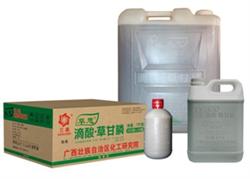
What precautions should be taken when using glyphosate for weed control?
What should be noted when using glyphosate for weed control? Please give an introduction. When using glyphosate herbicide, read the instructions carefully and thoroughly, because glyphosate herbicide is a systemic, broad-spectrum, non-selective herbicide that mainly inhibits enolpyruvyl shikimate phosphate synthase in plants, thereby inhibiting the conversion of shikimate to shikimic acid, prephenic acid...
-
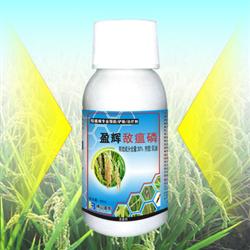
What are the correct methods for using edifenphos?
How is edifenphos used? Please explain. Edifenphos, also known as Kitazin, is a fungicide with protective and curative action. It is currently used mainly to control rice blast. Edifenphos also has good control effects against rice sheath blight, panicle blight, and northern and southern corn leaf blight. The formulation is a 40% emulsifiable concentrate. The application techniques are as follows:...
-
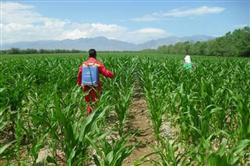
Precautions for Using Glyphosate for Weed Control in Corn Fields
What should be noted when using glyphosate for weed control in corn fields? Please give an introduction. Glyphosate is a systemic herbicide. When used for weed control in corn fields, if used improperly, it can cause damage to corn. There are mainly the following reasons: First, a lack of understanding of the properties of glyphosate. Glyphosate is a systemic her...
-
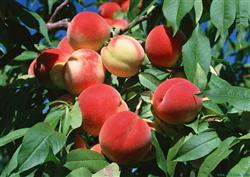
Which pesticides are prone to causing phytotoxicity when sprayed on fruit trees
Which pesticides can cause phytotoxicity in fruit trees? Please give an introduction. Pesticides that can cause phytotoxicity in fruit trees include: Omethoate: Apricot, pear, peach, fig and other fruit trees are sensitive to this pesticide solution at dilution concentrations below 1500 times, and phytotoxicity is very likely to occur when sprayed. In addition, during high-temperature seasons (above 30°C), use it as little as possible...
-
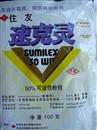
What are the correct methods for using low-toxicity fungicides?
How are low-toxicity fungicides used? Please provide an introduction to the methods. The following introduces the methods for using several low-toxicity fungicides: Antimycin 120 (Nongkang 120, 120 agricultural antibiotic) is suitable for controlling powdery mildew, anthracnose and Fusarium wilt. To control soil-borne diseases such as Fusarium wilt of cucurbits and eggplant, a 2% aqueous solution at 130 to 200 times dilution can be used...
-
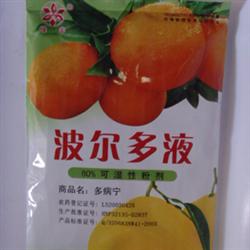
Correct methods for using non-systemic fungicides
How are non-systemic fungicides used? Please give an introduction. The following introduces how to use the non-systemic fungicide Bordeaux mixture: Bordeaux mixture is a sky-blue viscous suspension made from copper sulfate, quicklime and water. It is alkaline and corrosive to metals. It is a non-systemic protective inorganic fungicide, ...
-
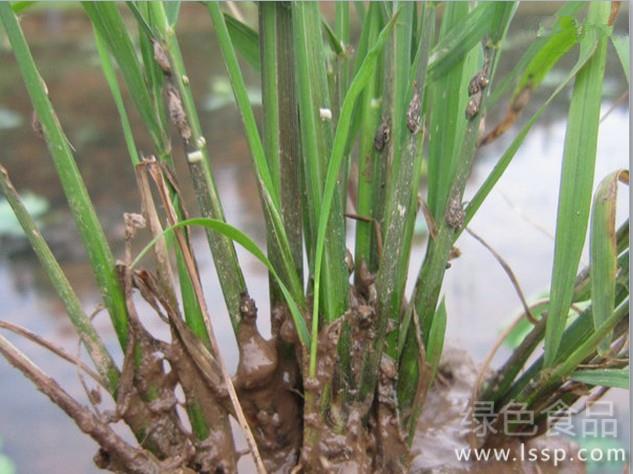
How to control rice leaf beetle (rice hispa) causing slow growth
How to control rice leaf beetle when it causes slow growth in rice
-
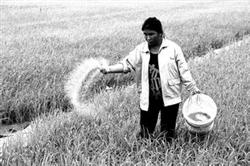
What should be noted when applying nitrogen fertilizer? A detailed explanation of the key points for using various types of nitrogen fertilizer
What should be noted when applying various nitrogen fertilizers? Please introduce the following points to note when applying various nitrogen fertilizers: 1. Ammonium nitrogen fertilizers should not be mixed with alkaline fertilizers. After mixed application, ammonia gas will volatilize, reducing the fertilizer effect. 2. Ammonium bicarbonate should not be broadcast. Ammonium bicarbonate is extremely unstable in nature, and after being broadcast on the soil surface, under...
-
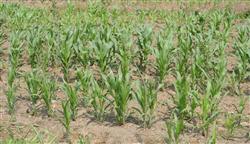
What precautions should be taken when using glyphosate for weed control in corn fields?
What should be noted when using glyphosate for weed control in corn fields? Please explain that glyphosate is a systemic herbicide. When used for weed control in corn fields, if used improperly, it can cause harm to corn, mainly for the following reasons: First, a lack of understanding of the properties of glyphosate; glyphosate is a systemic herbicide...
-
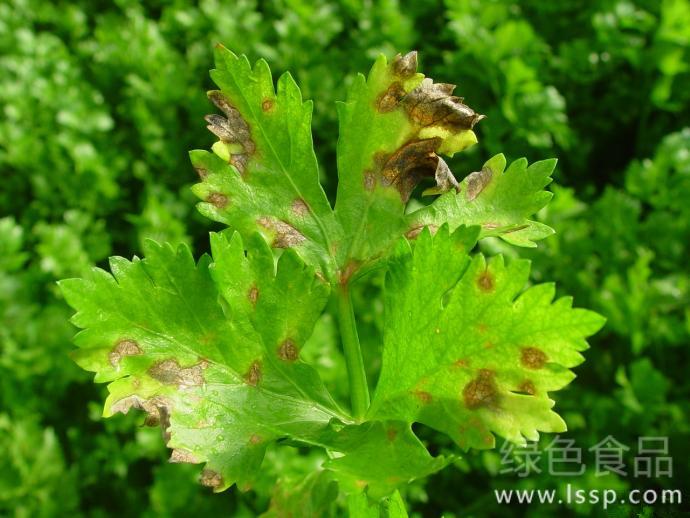
Control methods for celery leaf spot disease causing leaf rot
How to control celery leaf spot disease that causes celery leaves to rot
条件筛选