-
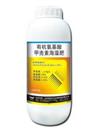
Detailed Explanation of Key Points for Using Bacterial Biological Insecticides
Bacterial biological insecticides have advantages such as high insecticidal rate, no environmental pollution, safety to natural enemies, harmlessness to humans and livestock, and not inducing pest resistance. They are a new type of protective pesticide currently promoted for use in pollution-free cultivation. Because their control effect mainly depends on the bacterial activity in the pesticide, the following points need to be kept in mind during use...
-
Using specific insecticides requires particular care; mastering the method is key
Generally speaking, specific insecticides have different active ingredients, each with its own characteristics, and they also have different insecticidal mechanisms of action (that is, the principles by which pesticides kill pests). Varieties of this type often used in production today include: chlorfluazuron, buprofezin, flufenoxuron, diflubenzuron, bisultap, monosultap, imidacloprid, fipronil...
-

Five misconceptions to avoid when using plant growth regulators
Organophosphate insecticides are the most widely used and highest-volume class of insecticides in China, with many varieties and vastly differing properties, but taken together they have the following characteristics: (1) A relatively broad insecticidal spectrum. The organophosphate insecticide varieties commonly used today can control many agricultural and forestry pests, and some can be used to control public health pests...
-
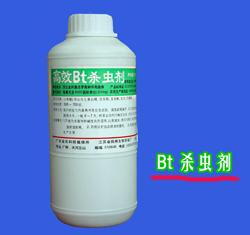
Four points to note when using Bt insecticides
Bt is a bacterial insecticide, belonging to a variety of the Bacillus thuringiensis group, and is very effective against lepidopteran larvae. When using it, pay attention to the following issues: 1. First, pay attention to the quality of Bt. Generally, it is required to contain more than 10 billion spores per milliliter (or per gram), and the application concentration is 500-700 times. If the product...
-
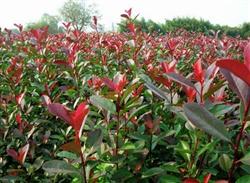
Methods for Using Plant Growth Regulators on Flowers and Trees
Plant growth regulators play important roles in regulating the growth of ornamental plants, preventing excessive leggy growth, promoting rooting, cultivating strong seedlings, controlling sex differentiation, preventing flower and fruit drop, enhancing resistance, and preserving freshness during storage. However, the methods of using different plant growth regulators vary depending on the type of agent, the target plant, the purpose of use, and the plant's growth conditions...
-
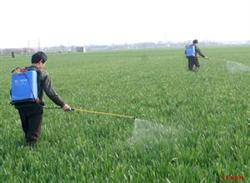
What are the precautions for using bacterial biological insecticides?
To use pesticides to control crop pests and achieve the best insecticidal effect, while selecting the right pesticide and applying it at the right time, you must, based on the three factors that affect efficacy, pay attention to solving the two easily overlooked problems of timely application and delivering the pesticide to the target. 1. The three factors affecting efficacy. 1. Climate. Application...
-
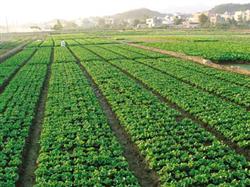
What are the key precautions for using herbicides in vegetable fields
In vegetable production, hoeing and weeding often accounts for more than 40% of the total labor used in vegetable field management. If chemical weeding is used, it can not only effectively control weeds and improve the quality and yield of vegetables, but also save a large amount of weeding labor and reduce labor intensity, but the following "eight precautions" must be observed....
-
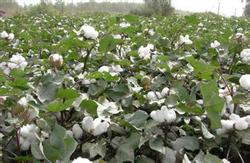
Five precautions for using regulators in cotton fields
1. Pay attention to the scope of application. Cotton fields suitable for plant growth regulators must have good water and fertilizer conditions, and the cotton must show a tendency to excessive growth or already be growing excessively. They must not be used in cotton fields where the climate is dry and irrigation is not possible, where growth is weak, or where growth is inhibited by pests and diseases. 2. Pay attention to the application period. Mepiquat chloride generally...
-
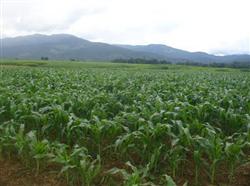
What are the precautions for using post-emergence herbicides in corn fields?
I. 2,4-D butyl ester. (1) Causes of phytotoxicity. Applying the herbicide too late, at too high a dose, or unevenly can cause phytotoxicity. (2) Symptoms of phytotoxicity. When the herbicide is applied to the soil, the young shoots bend and the young roots grow upward, then later return to normal. When the herbicide is applied to stems and leaves, the stems become twisted, the leaves become narrower, ...
-
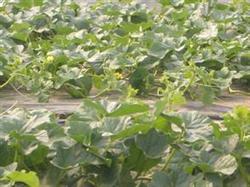
What are the precautions for using insecticides during the melon seedling stage?
Melon seedlings are sensitive to many insecticides and are highly prone to pesticide damage, so insecticides must be used with extra care. For pests such as ground beetles, a moat method can be used: dig a small ditch around the seedbed, line it with waterproof plastic sheeting, then fill it with water and add Shennongbao or Amaier to form a barrier, which is very...
条件筛选