-

Correct methods for using different pesticide formulations
How to use different pesticide formulations
-
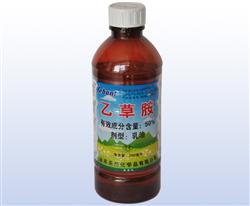
What precautions should be taken when using acetochlor in dryland?
What should be noted when using acetochlor in dryland? Please give an introduction. When using acetochlor in dryland, the following four points should be noted: Soil moisture. A certain level of soil moisture helps improve the weeding effect. If continuous drought weather occurs during the application period, the weeding effect will be greatly reduced. Therefore, watering first to increase soil moisture and then applying the chemical is...
-
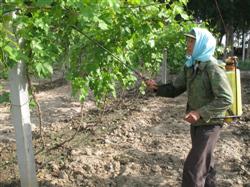
What are the precautions for using plant growth regulators?
What should be noted when using plant growth regulators? Please give guidance. Plant growth regulators have already been widely used on a variety of crops such as grain, cotton, fruit and vegetables, and poor results or disease outbreaks often occur due to improper use. Therefore, when using plant growth regulators, the following points should be noted: ...
-
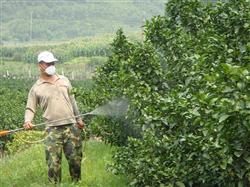
Correct methods for using crop growth regulators
How are growth regulators used on crops? Here is an introduction. When using growth regulators, you can refer to the following methods: 1. Combine them with cultivation measures. Plant growth regulators are not nutrients; they can only regulate plant growth and development to a certain extent. They cannot replace the need for temperature, light, water, fertilizer, etc., nor can they replace...
-
What are the precautions for using fungicides as a soil drench?
What should be noted when using fungicides as a soil drench? Please note the following points when using fungicides as a soil drench: First, in greenhouses where bacterial fertilizer has already been applied, try not to use fungicides as a soil drench for disease prevention. For land where bacterial fertilizer has been used, applying it tends to kill the beneficial bacteria in the bacterial fertilizer, causing the fertilizer to lose its effectiveness. If the crop has already developed disease, then you must...
-
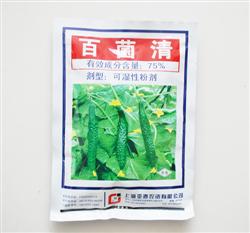
What precautions should be taken when using fungicides?
What should be noted when using fungicides? When using fungicides, note the following: 1. When choosing a fungicide, first understand the nature of the fungicide. There are two types of fungicides. One is a protective agent, which is used to prevent plant disease, such as Bordeaux mixture, mancozeb, carbendazim, etc.; the other is...
-
Six precautions to note when using bacterial biological insecticides
Biological pesticide: BT, Chinese name Bacillus thuringiensis, is a bacterial insecticide. This variety has been fully used in the main vegetable-growing areas of our country and has achieved good economic benefits. However, there are currently many BT manufacturers with varying quality, so when using it you must choose a variety of good quality. Note: BT is effective when the temperature is slightly higher...
-
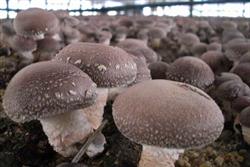
Six key taboos to remember when using bacterial biological insecticides
Edible fungi suffer pest damage during the mycelium growth and mushroom fruiting stages due to the distinctive odor of the mycelium, so insecticides are often used when pest damage occurs. When pest damage occurs in edible fungi, the first step is to choose insecticides that are highly effective, low in toxicity, and have a short residual life, such as decis and dichlorvos; do not use banned substances such as benzene hexachloride (BHC) and DDT...
-
What are the precautions for using insecticides during the melon seedling stage
A agricultural supply seller from Yandu District, Yancheng City called to report that a local farmer used abamectin and dimehypo to control pests in rice fields. After application, a small amount of pesticide solution was left over and was incidentally sprayed onto 0.1 mu of soybeans grown by the family. As a result, the soybeans showed symptoms resembling scalding by boiling water the next day, then turned yellow and dried up. He asked whether the soybeans...
-
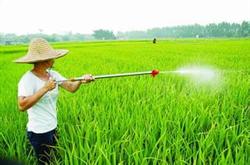
What are the scientific methods for using bacterial biological insecticides?
From rice sowing to the seedling stage, farmers should focus on controlling seed-borne diseases (bakanae disease, rice blast at the seedling stage, white-tip nematode disease, etc.), the small brown planthopper, and the first-generation stem borers. At the rice booting stage, the focus should be on controlling pests and diseases such as the rice planthopper, rice leaf roller, stem borers, ear blast, and rice false smut. At the rice ear stage, the rice planthopper is the main target, along with...
条件筛选