-

Correct methods for using cotton seedling protection agent
I. Methods for using cotton seedling protection agent The cotton seedling protection agent consists of three bags: large, medium and small. The specific seed soaking steps are: 1. Soak 5 kg of cotton seeds in clear water mixed with three parts hot (about 70°C) and one part cold for 5 minutes, remove the cotton seeds and squeeze out excess water. 2. Dissolve the small bag of reagent in 0.5 kg of clear water, pour it into the cotton seeds soaked in the three-hot-one-cold clear water, stirring while pouring, and after thorough stirring leave for 24 hours (stirring 2~3 times during this period). 3. Dissolve the medium bag of reagent in 1.54 kg of clear water, pour it into the cotton seeds soaked with the small bag of reagent
-
What are the precautions for using fungicides during the cotton seedling stage?
1. When choosing a fungicide, first understand the nature of the fungicide. There are two types of fungicides: one is a protective agent, which is used to prevent plants from developing disease, such as Bordeaux mixture, mancozeb, and carbendazim; the other is a therapeutic agent, which is applied after plants have developed disease to kill or inhibit the pathogens that have invaded the plant body. Therapeutic agents work better when applied in the early stages of disease, such as compound fungicides like kangkuening and baozhida. 2. Fungicides should be sprayed before 9 a.m. or after 4 p.m. If sprayed under the scorching sun, the chemicals break down and evaporate easily,
-
Instructions for Using the 4GD-2 Soybean Swather
Heilongjiang Province is the main soybean-producing region in China, accounting for more than thirty percent of the total soybean planting area. For many years, soybean harvesting was done by manual sickle cutting, which not only had low daily efficiency and a long harvest period, but often affected the timely carrying out of autumn plowing and autumn field preparation. Although farms used large machinery for swathing, the loss rate still remained between 8-10%. Due to delays in the cutting period, when combining was carried out in the late stage of soybean maturity, soybean pod shattering became even more serious. With the reform of the economic system on farms and in rural areas, small four-wheel tractors
-
Cotton production outlook not optimistic, experts recommend focusing on four management measures
Reporters learned from the province-wide cotton production and high-yield creation work conference held on August 26 that this year's cotton production situation in our province is extremely unoptimistic. In response to the current realities of cotton production, attending experts recommended that cotton farmers focus on four measures. This year's cotton production in our province is characterized by reduced area, lower per-unit yield, and decreased total output. According to incomplete statistics, the province's actual harvested cotton area is around 11 million mu, a decrease of more than one million mu compared to last year. Cotton per-unit yield is expected to be 70-75 kg, with total output of 75-80 million tons, a decrease of 10
-
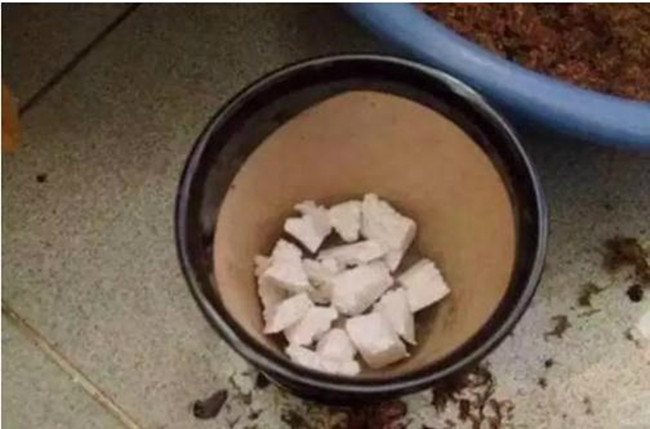
Using foam at the bottom of the pot for pothos: can it make roots strong and the pot overflow without root rot?
Pothos is found in many people's homes and is super easy to grow, usually in water. So can foam be used at the bottom of the pot for pothos? When we buy home appliances, there is a lot of foam padding inside. Cut the large pieces of foam into small pieces with scissors and place them at the bottom of the pot for pothos.
-
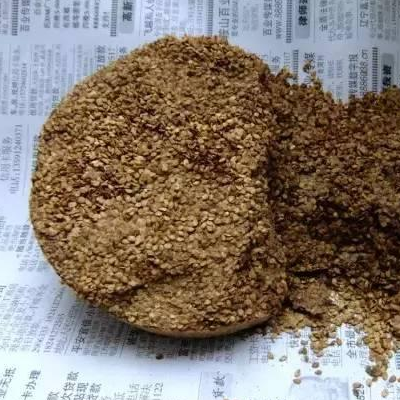
How to ferment cake fertilizer? Methods and tips for using bone meal to grow flowers
When growing flowers, you need to use flower fertilizer, but you always feel that the fertilizer you buy is not good. How do you ferment cake fertilizer? How do you use bone meal to grow flowers: How to ferment cake fertilizer: You can collect residue such as soybean cake, ferment and decompose it, and turn it into organic compost suitable for promoting plant growth. Seal and ferment the residue produced by pressing various oil crops until decomposed
-
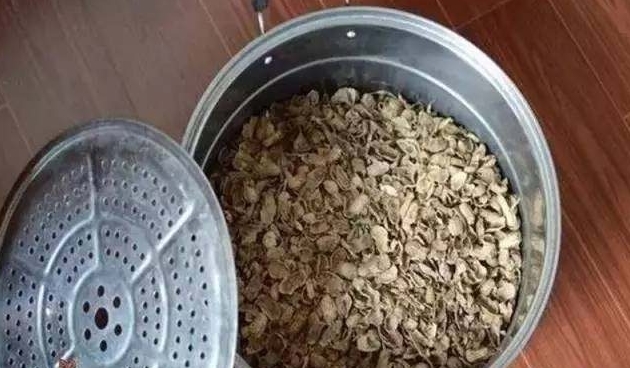
What are the methods and benefits of using peanut shells to grow flowers
Peanut shells, everyone has seen them, nobody eats peanut shells, and the taste of peanut shells is not good at all. How do you use peanut shells to grow flowers? What are the benefits of using peanut shells to grow flowers: How to use peanut shells to grow flowers: Step 1: Crush the peanut shells from your home, preferably roasted and plain peanut shells
-
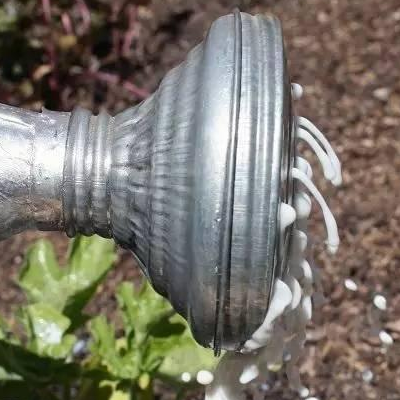
The benefit of using milk for plants is that it can control aphids and other soft-bodied pests.
Milk, which many people enjoy, is great to have a bottle of every day, but what are the benefits of using milk for plants: Milk as fertilizer. Milk is a great source of calcium, and this principle applies to plants as well. Milk can be used on some common vegetable plants.
-
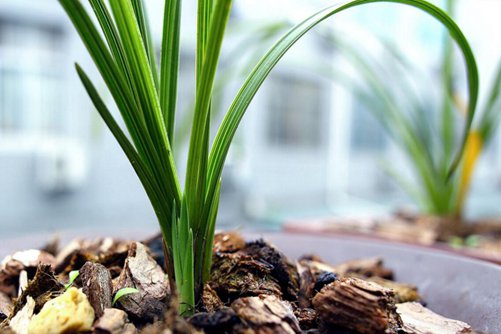
Orchid Care Methods for More Sprouts and Answers to Questions About Using Drugs to Force Sprouting
Seeing that the orchids in the flower market have all bloomed, while your own orchids at home still show no movement. Many impatient flower lovers want to force them to sprout. So, is it necessary to use drugs to promote more orchid sprouts? How should orchids be grown to promote more sprouts? With these 2 questions
-

How to Water African Violets? Using the Right Method Is the Secret to Keeping Them Alive
African violet, also called African violet (Saintpaulia), blooms in all four seasons, is small and delicate, and has uniquely colored flowers full of poetic charm. It is a very beloved flower, and growing African violets is also popular in Europe and America. African violets are generally grown at home in pots. In the process of growing African violets, how to water them is the key
条件筛选