How to ferment cake fertilizer? Methods and tips for using bone meal to grow flowers
When growing flowers, you need to use flower fertilizer, but you always feel that the fertilizer you buy is not good. How do you ferment cake fertilizer? How do you use bone meal to grow flowers:
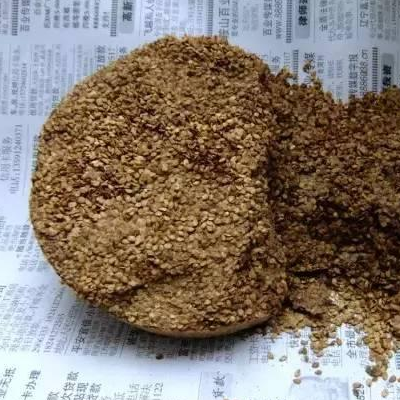
How to ferment cake fertilizer:
You can collect residue such as soybean cake, and after fermentation and decomposition it becomes organic compost suitable for promoting plant growth.
Seal and ferment the residue produced by pressing various oil crops until decomposed, then dry it in the sun for later use. The nutrients in cake fertilizer vary slightly depending on the raw material, but they are organic fertilizers with a very high nitrogen content.
Decomposed and fermented cake fertilizer can also be bought ready-made. When using it, you can mix it directly into the soil, or soak it in clean water and use it as a liquid fertilizer.
How to use bone meal to grow flowers:
Bone meal is a very easy-to-use, slow-release organic fertilizer. Mixed directly into the soil, it can take effect over the long term. The method of making it is also very simple, and if you find it troublesome you can just buy some.
You can directly take leftover bones, remove the fat, soak them in clean water for 2 days, then rinse off the salt, put them in a pot and boil them thoroughly at high heat for about half an hour, then dry them under strong sunlight. After several days of drying, crush them with a tool and grind them into powder or bone fragments, using the two separately.
Bone meal can be mixed into base fertilizer or used alone mixed into the soil. Its fertility is released slowly, so you do not need to worry that giving too much will cause fertilizer burn to the plants. Bone fragments, used as drainage material at the bottom of the pot, can also achieve the effect of promoting flowering.
That is all for the introduction to growing flowers with homemade bone meal and cake fertilizer. Now you have learned something new, so hurry and make some yourself.
Commonly used fertilizers for growing flowers
1. Organic fertilizer. Organic fertilizer includes human excrement and urine, poultry and livestock manure, bone meal, cake fertilizer, green manure, medicinal residue, plant ash, fish waste, egg waste, etc. Organic fertilizer has long-lasting but slow effects and can improve the soil, but it must be fully fermented and decomposed before use.
Household potted flowers and open-ground potted flowers have different fertilizer requirements. In addition to requiring complete nutrients in the fertilizer, slow nutrient release and long-lasting effects, they also require being non-toxic, odorless and not polluting the environment. Organic fertilizers are mostly complete fertilizers, with steady and long-lasting effects, and can improve the physical properties of diseased soil. Potted flowers can be given organic fertilizer according to need, and generally organic fertilizer is mostly used as base fertilizer. However, some types of organic fertilizer smell unpleasant and may even carry pathogens, so they are not suitable as fertilizer for household potted flowers.
Cake fertilizer is the residue left after pressing oil from oil-bearing seeds such as soybean, peanut, sesame, oil flax seed and cottonseed. Cake fertilizer has a complete range of nutrient elements, and is rich in nitrogen, phosphorus and potassium. During the fermentation and decomposition process, cake fertilizer produces high temperatures that damage the roots and seedlings of flowers. Therefore, cake fertilizer should be applied after fermentation. Fermented cake fertilizer can be mixed into nutrient soil as base fertilizer or used as top dressing. When using cake fertilizer as top dressing, generally first soak the well-fermented cake fertilizer in 10 times its amount of water for 5-6 hours, then take the clear liquid on top, dilute it with 10-20 times water and apply it.
Plant ash is rich in potassium and also contains nutrient elements such as phosphorus, calcium, iron, magnesium and boron. Plant ash is easily soluble in water and is an alkaline fertilizer, and can be used as base fertilizer or top dressing. However, some flowers that prefer an acidic soil environment should not be given plant ash. In addition, human excrement and urine and poultry and livestock manure are also high-quality organic fertilizers, rich and complete in nutrients, but they often have a foul odor and are not suitable for direct use on household potted flowers. Human excrement and urine and poultry and livestock manure are often used alone or mixed with soil and other materials, piled and fermented, then used as a substrate for preparing culture soil.
2. Inorganic fertilizer. Inorganic fertilizer includes nitrogen fertilizer, phosphorus fertilizer, potassium fertilizer, compound fertilizer, micro-element fertilizer, etc. Inorganic fertilizer has a short effect period and quick results, and is generally used for top dressing; long-term use damages soil structure.
Inorganic fertilizer, namely chemical fertilizer. Commonly used chemical fertilizers include: ammonium sulfate, urea, superphosphate, diammonium phosphate, potassium dihydrogen phosphate, potassium sulfate, potassium chloride, etc. Chemical fertilizers are quick-acting fertilizers, odorless and easy to measure in dosage, and are generally used as top dressing. Most of the chemical fertilizers currently sold on the market are compound fertilizers, whose nitrogen, phosphorus, potassium and trace element contents are relatively complete. When purchasing chemical fertilizers, note that chemical fertilizers come in different types, and the range of flowers they suit also differs.
How should household flower growing be managed?
Six essentials for growing flowers: soil, fertilizer, water, protection, pruning, propagationHow should household flower growing be managed?
1. Soil
Soil is the foundation for the growth of flowers and trees. It is not only the support that fixes the plant root system for growth and development, but also must provide the necessary nutrients, water and air for plant growth.
(1) Soil quality requirementsFertile, harmless, loose, air-permeable, water-retentive, fertilizer-retentive.
(2) Pot soil materials
For household flower growing, pot soil materials include, in addition to the generally commonly used soil, some mineral materials and biological materials. Therefore, the meaning of pot soil is not limited to soil. Thus these materials on which plants rely for survival are often collectively called substrates or media in cultivation. Commonly used substrates include: garden soil, mountain soil, pond mud, sand, earthworm castings, coal cinders, vermiculite, perlite, ceramsite, brick granules, rice husk, rice husk ash, sawdust, charcoal, grass clippings, tree bark, cottonseed hulls, peanut shells, pine needles, moss, coconut coir, sugarcane bagasse, etc.(3) Soil acidity
The pH of the soil affects the growth and development of flowers. Most flowers are suitable for slightly acidic soil with a pH value of 6.0-7.0 (soil pH 7 is neutral soil). Flowers such as camellia, rhododendron, orchid and bromeliads require a more acidic soil environment. They usually require a pH value of about 5-6. Therefore, these flowers must be cultivated with mountain soil rich in humus (orchid soil) to grow well. Dianthus, dahlia, cacti, pomegranate, grape and kiwifruit have a wide range of adaptation to soil acidity and can grow in an environment with pH 6-8.For soil that is heavily alkaline, sulfur powder, ferrous sulfate or aluminum sulfate can be added to adjust it. Usually the application rate of sulfur powder is 0.1-0.2% of the total soil amount. For soil that is too acidic, lime powder can be used to adjust it, with an application rate of 35-70 grams per sq m of land.
(4) Soil improvement
For soil used for planting flowers in courtyards, various construction debris within 40 cm of the soil surface must be cleared away. At the positions of tree pits for planting arbor trees, new soil should be replaced within a depth of 60-80 cm. For heavily clayey green areas, coarse sand and organic matter rich in fibrous material should be added to facilitate drainage and increase the air permeability and organic matter content of the soil layer.The preparation of potted soil should, according to the requirements of the plants being grown, emphasize the air permeability, fertility and suitable soil acidity of the soil. Usually, fertile garden soil (heated soil) plus rice husk ash is made into a cultivation substrate in a ratio of 2-3:1. However, for flower growing in cities, limited by conditions, it is not easy to obtain high-quality culture soil. Then you can collect fallen leaves, sawdust, peanut shells, bean shells, eggshells, sugarcane bagasse, poultry feathers, fish bones, shrimp shells and other urban household waste, cut and crush them finely, add rice washing water, place them in an old vat or plastic bag, and after a long period of fermentation and decomposition, dry them in the sun, sieve them, and mix them with some raw soil (soil excavated from road and infrastructure projects) to prepare potted nutrient soil. The old soil replaced after repotting can also be mixed with household waste, piled and composted, and reused.
Strictly speaking, potted soil quality requires disinfection. For household flower growing, the simple sunlight disinfection method can be used, that is, in summer spread the soil flat on a cement slab, cover it with plastic film, and expose it to strong sunlight for 3-4 days. This can kill large numbers of pathogen spores, mycelium, pest eggs and nematodes in the soil. In addition, if conditions permit, heat disinfection and chemical disinfection can also be used.
How should household flower growing be managed?
2. Fertilization
Fertilizer is the source of nutrients needed for flower growth and directly affects the growth and development of flowers. Only by applying the required nutrient elements at the right time and in the right amount for different plants at different growth stages can flowers grow with luxuriant branches and leaves and bloom profusely.The 16 nutrient elements needed for flower growth
Carbon, hydrogen, oxygen (obtained from air and water)
Nitrogen, phosphorus, potassium, sulfur, calcium, magnesium
Iron, boron, zinc, copper, manganese, molybdenum, chlorine
(1) Types of fertilizer
Organic fertilizer - fertilizer formed from animal and plant residues or excrement after processing, fermentation and decomposition. Organic fertilizer contains a complete set of nutrient elements needed by flowers. After being applied to the soil, the nutrients decompose gradually. Although the effect is slow, the fertilizer effect is long-lasting, and it can also improve the soil, benefiting root development and the activity of beneficial soil microbes. Commonly used organic fertilizers include: poultry and livestock manure, fish meal, bone meal, plant ash, various cake fertilizers and sesame oil residue, etc.Inorganic fertilizer (chemical fertilizer) - fertilizer made by chemical methods or processed from natural minerals. It has the advantages of high nutrient content, quick results, convenient use, cleanliness and hygiene, but its nutrient composition is single, and long-term use easily causes soil compaction. Commonly used ones include: urea, ammonium sulfate, ammonium nitrate, potassium dihydrogen phosphate, potassium chloride, potassium nitrate, etc., as well as compound fertilizers processed and blended to contain the three elements nitrogen, phosphorus and potassium.
(2) Preparation of organic fertilizer for household flower growing
Courtyard composting - use a shaded corner of the courtyard, dig a pit, and pile up daily leftover vegetable stems and leaves, bean shells, melon and fruit peels, medicinal herb residue, eggshells, shrimp and crab shells, poultry feathers, fish scales, fish innards, weeds, fallen leaves, etc. for composting. To prevent odor from escaping, cover with mud or plastic film.Household bottle preparation - use small-mouth waste plastic bottles such as cola bottles and cooking oil bottles as containers, put in fish scales, fish innards, eel, shrimp shells and other animal scraps, and after fermentation and decomposition make a high-quality liquid quick-acting fertilizer. Spoiled yellow soybeans can also be soaked and fermented. When preparing bottle-made organic fertilizer, note:
① The amount of fish scraps put in is about 1/2-2/3 of the bottle capacity. Add water to near the bottle mouth (leaving a certain gap).
② To reduce the odor during fertilizer fermentation, some orange peel can be added at the same time. Generally, a 2.5-liter cooking oil bottle can hold 3-4 orange peels. The orange peel can be torn into pieces or cut finely before putting in. Fresh orange peel can be used, or air-dried old orange peel.③ After preparation, after the bottle cap is tightened, it must be backed off 2-3 threads to leave a gap for gas release. Otherwise, due to fermentation inside the bottle, gas expansion may burst the cap off, causing the unbearable consequence of odor spreading everywhere.
④ Bottle-made organic fertilizer needs 4-5 months to ferment in summer, and generally takes about a year to decompose. Its solution can be diluted with water and used to water flowers.
Use of broad bean shells - green broad bean pods are rich in nitrogen, phosphorus and potassium nutrient elements, are easy to collect in cities, and are clean and hygienic. When preparing, the pods can be sun-dried, ground into pieces and stored for later use. They can be mixed in when making potted culture soil, or used as base fertilizer when repotting potted flowers or planting.
How should household flower growing be managed?
(3) Rational fertilization
① Base fertilizer, top dressing, foliar fertilizationBase fertilizer - mainly uses organic fertilizer that decomposes slowly and has a long fertilizer effect. It supplies the flowers throughout the whole growing season. For courtyard flower growing, in winter or early spring, dig trenches or holes around the main planted flowers and trees and bury it deeply, or apply it at the same time when the soil is plowed before planting. For potted flowers, mix it in when preparing culture soil, or apply it at the bottom of the flower pot before planting. Commonly used base fertilizers include compost made from decomposed animal and plant residues, dried poultry and livestock manure, decomposed cake fertilizer crumbs, etc. In cities, the oil residue left after pressing small mill sesame oil can be used and has a good fertilizer effect. Some also use fried or boiled soybeans placed in the middle and lower layers of potted flowers as a supplementary base fertilizer.
Top dressing - uses inorganic fertilizer that takes effect quickly and can be quickly absorbed and used by flowers, or the leachate after fermentation of organic fertilizer, added when needed at each stage of flower growth and development. Commonly used ones include urea, potassium dihydrogen phosphate, etc.
Foliar fertilization - also called root-outside top dressing. After dissolving chemical fertilizer in water, spray it on the plants so that nutrients penetrate into the plant body through the underside of the leaves. It has the characteristics of convenient operation and quick results. When applying, note: keep the chemical fertilizer concentration at 0.1-0.2%; too concentrated will cause harm to the plants. For flowers grown on balconies and in the open air, the spraying time should be in the evening, to prevent strong sunlight after fertilization from increasing the fertilizer concentration and causing fertilizer burn. When spraying, pay attention to the underside of the leaves.
② Fertilization principles and methods
Suitable for the flower, suitable timing, suitable condition, suitable amount; apply thin fertilizer frequentlySuitable for the flower - foliage plants need more nitrogen fertilizer, while fruit- and flower-viewing plants need more phosphorus and potassium fertilizer.
Suitable timing - when sprouting branches and leaves, mainly nitrogen fertilizer; before flower bud differentiation, flower bud formation and flowering, mainly phosphorus and potassium fertilizer.
Suitable condition - "four more, four less, four not"
Apply more when yellow and thin, apply more before germination, apply more before budding, apply more after flowering. Apply less when fat and strong, apply less when germinating, apply less when flowering, apply less in the rainy season. Do not apply when newly planted, do not apply when leggy, do not apply when diseased or weak, do not apply in midsummer.
Suitable amount - thin fertilizer: for organic fertilizer use 7-8 parts water plus 2-3 parts fertilizer; for chemical fertilizer use 0.1-0.3% concentration
Frequent application: once every 7-10 days during the growing period.
Three taboos of fertilization - avoid concentrated fertilizer; concentrated fertilizer causes cell sap to leak out and leads to death.
Avoid hot fertilizer; at noon in summer the soil temperature is high, and top dressing harms the roots.
Avoid sitting fertilizer; after applying base fertilizer at the bottom of a flower pot, first cover it with a thin layer of soil.
Then plant the flowers. Avoid the root system sitting directly on the fertilizer.
How should household flower growing be managed?
3. Watering
Watering is the main management task in household flower growing. Water is an important component of plants and an indispensable main substance for physiological activities.(1) Courtyard watering
In dry seasons, water must be replenished to keep the soil moist. In rainy seasons, attention must be paid to drainage to prevent the root system from suffocating and dying due to water accumulation and lack of oxygen.When watering, usually keep the difference between water temperature and soil temperature no more than 5°C. In summer it is best to water in the early morning and evening, and in winter water around noon.
(2) Watering potted flowers
① Watering principle - alternate dry and wet, do not water when not dry, water as soon as it is dry, and water thoroughly when watering.Alternate dry and wet means making the soil sometimes dry and sometimes wet. This both ensures water supply to the flowers and trees and allows the pot soil to breathe, protecting root development.
The standard for dry is that the upper layer of pot soil is dry, the bottom soil still has some moisture, and the plant grows normally or the leaves show brief wilting at noon.
When flowering plants lack water, the first sign is wilting of the petals. If leaves and flowers show signs of water loss, water must be replenished immediately to restore vitality.
The principle of watering thoroughly means the amount of water should be such that water is seen seeping out from the bottom of the pot. Half-way water, with the pot soil wet on top and dry below, is a major taboo in potted flower management, because it can use the surface moisture of the pot soil to conceal the essence of water shortage, causing root death from lack of water. Plants that have been cut off from water are very difficult to revive even if watered to rescue them.
(3) More or less watering amount.
Water more for herbaceous plants, less for woody plants; water more for moisture-loving flowers, less for drought-loving flowers;Water more for large, soft leaves; water less for small, waxy leaves;
Water more during vigorous growth periods, less when entering dormancy:
Water more when the plant is large and the pot is small; water less when the plant is small and the pot is large;
Water more on balconies, less in courtyards; water more in summer, less in winter; water more when clear and dry; water less on cloudy days;
Water more during budding, less during flowering.
How should household flower growing be managed?
(4) Rescue of drought dehydration and waterlogged root rot
When woody plants are dehydrated due to long-term drought and the stems and leaves wilt, but the stems still have life, they should first be moved to a shaded place to reduce water evaporation from the plant body. Spray water to maintain the humidity of the above-ground environment. After watering the roots, do not continuously replenish water, to prevent root oxygen deficiency. According to the principle of alternate dry and wet, keep the soil air-permeable to promote new root growth and restore vitality. For severely dehydrated plants, according to the growth state of the above-ground part, carry out appropriate pruning, which helps new buds and leaves to sprout.When pot soil has accumulated water after long rain and the plant suffers waterlogging damage, with branches and leaves wilting and lacking vitality, the plant must immediately be moved out of the pot with the soil, placed in a cool, ventilated place to let the root soil moisture dissipate. After 3-5 days, when growth resumes, repot it. During continuous rainy weather, outdoor potted plants can be laid on their sides to avoid water accumulation. After long rainy weather, if it suddenly clears and the sunlight is strong, exposing the plants to the sun may, because the root growth has been damaged and the transpiration of branches and leaves is too strong, cause severe water loss and death. Therefore, pay attention to strictly controlling water, moving the position, and shading for recovery.
(5) Different watering methods
When watering potted flowers, in most cases avoid pouring water directly over the top. For flowers such as gloxinia and African violet, if the flowers and leaves are splashed with water, it will cause the flowers and leaves to rot. However, bromeliads require watering from the top so that the leaf cups store water to meet growth needs. Orchids and maranta-type flowers, in addition to appropriate watering, require misting to increase the air humidity of the growing environment.Indoor foliage plants, depending on differences in the growth characteristics of their places of origin, also have quite different water requirements. Araceae plants such as Monstera deliciosa, Thaumatophyllum bipinnatifidum and calla lily, as well as ferns and Cyperus alternifolius, belong to moisture-loving flowers, and watering should follow "better wet than dry", but do not let water accumulate. Succulent plants such as snake plant, aloe and sedum, and cacti, are drought-loving flowers, and watering should follow "better dry than wet", to prevent root rot from too much water. Other plants such as asparagus fern, sago palm and begonia, which are most plants, belong to intermediate-type flowers; both too dry and too wet soil cause adverse reactions, and watering can follow the principle of "alternately dry and wet".