-
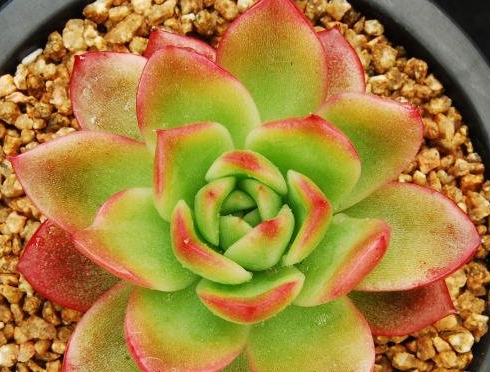
How should this bulbous tuberous plant, Massonia pustulata, be cared for?
Massonia pustulata Massonia pustulata belongs to the genus Massonia in the family Hyacinthaceae. Massonia pustulata is a perennial bulbous succulent plant in the genus Massonia of the family Hyacinthaceae, and the plant has a round bulb.
-
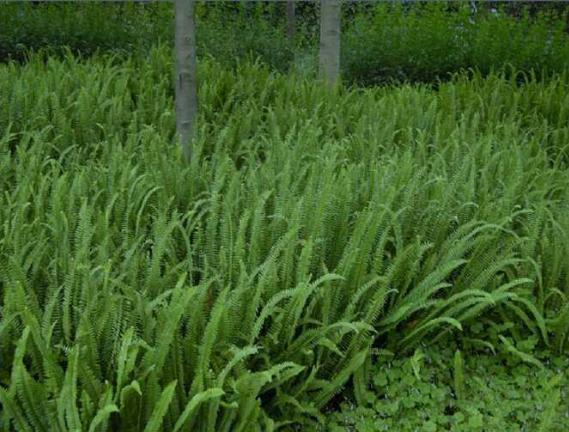
Can the Tuberous Sword Fern (Shi Huang Pi) Be Eaten? Benefits, Effects, and Care Methods
Tuberous sword fern leaves grow in clusters, dark brown, slightly glossy; the blade is linear-lanceolate or narrowly lanceolate, once-pinnate, lanceolate, with sparse shallow blunt serrations along the leaf margin. So can the tuberous sword fern (Shi Huang Pi) be eaten? What are the benefits and effects of the tuberous sword fern? How do you care for the tuberous sword fern? Can the tuberous sword fern (Shi Huang Pi) be eaten? Yes, it can be eaten.
-
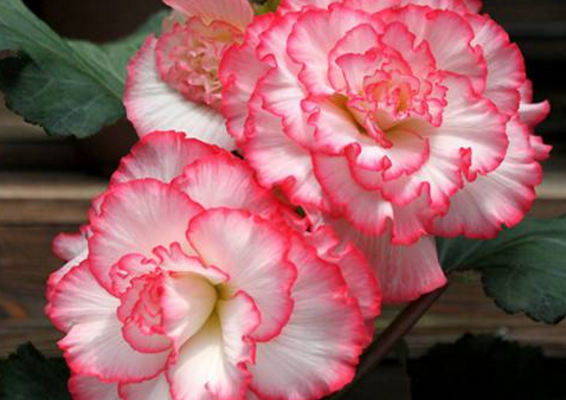
What are the cultivation methods for tuberous begonias?
Cultivation methods for tuberous begonias. Tuberous begonias grow 15-25 cm tall, with juicy stems and underground tubers. The flower colors are rich and varied, the flower stems reach 5-10 cm, and the flower forms include single and double varieties, making them suitable for pots or hanging baskets. They prefer cool conditions, are not easy to cultivate, and bloom from spring to summer.
-
What are the propagation methods for tuberous begonias?
Propagation methods for tuberous begonias: for growing tuberous begonias at home, use the cutting method. From June to July, cut off a healthy stem tip with a terminal bud, about 10 cm long, remove the lower leaves, let it dry slightly, then insert it into a large flowerpot filled with plain sand; spray with water from a watering can, then cover with a layer of plastic film to retain moisture
-

Detailed Explanation of the Planting Methods and Techniques for the Tuberous Sword Fern
How to Plant the Tuberous Sword Fern
-

What are the fan fern and the tuberous sword fern? Get to know these two ferns
Scientific name: Nephrolepis auriculata. Common name: tuberous sword fern. Family and genus: Polypodiaceae, genus Neocheiropteris. Plant category: medium-sized terrestrial fern. Morphological features: plant height 60 cm. Rhizome thick and creeping horizontally, densely covered with scales, dark brown. Fronds distant, nearly papery, sparsely covered with small brown scales beneath. Stipe 30-45 cm long. Blade 25-30 cm long, fan-shaped. Veins reticulate, areoles dense with included branched veinlets. Spores
-
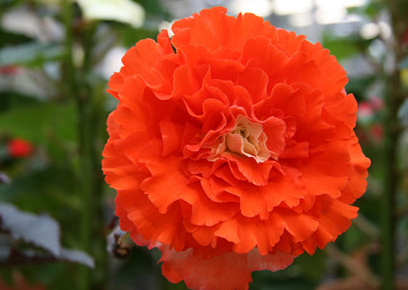
What are the care methods for tuberous begonias?
Watering Tuberous begonias like a moist growing environment, but they are also afraid of waterlogging, so it is best not to let water accumulate. In summer when the weather is dry, increase air humidity by misting and other methods. In autumn and winter during the dormant period, reduce watering, and also reduce watering during the sprouting stage and flowering period of tuberous begonias.
-
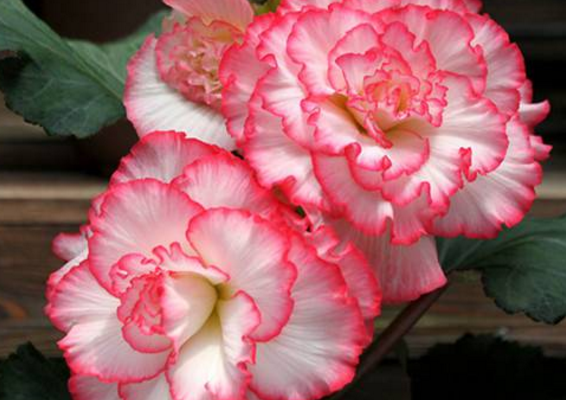
How to Grow and Care for Tuberous Begonias: Methods and Precautions
Light and Temperature Temperature and light: Tuberous begonias like a warm, fairly humid growing environment. They dislike the intense heat of summer and cannot withstand the severe cold of winter, so semi-shade is best. The most suitable temperature for tuberous begonia growth is 16°C-21°C. If the temperature is above 30°C
-
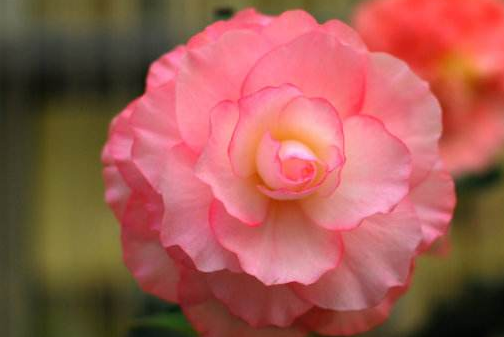
What are the care precautions for tuberous begonias?
Propagation There are mainly three ways to propagate tuberous begonias: seed propagation, cutting propagation, and propagation by cutting the tubers. Seed propagation can be done in spring or autumn. Cutting propagation is most suitable in late spring and early summer. Pest and disease control The main insect pests of tuberous begonias are thrips, aphids, and leaf-rolling moths
-

What is the price of tuberous begonia seeds? Detailed planting methods
Tuberous begonia seed prices and planting methods
条件筛选