What are the propagation methods for tuberous begonias?
Propagation methods for tuberous begonias: for growing tuberous begonias at home, use the cutting method. From June to July, cut off a healthy stem tip with a terminal bud, about 10 cm long, remove the lower leaves, let it dry slightly, then insert it into a large flowerpot filled with plain sand; spray with water from a watering can, then cover with a layer of plastic film to retain moisture;
Then place it in a cool spot with good indirect light; maintain a suitable temperature of around 20-25°C, open the plastic film once a day to let it ventilate and breathe, and mist it again; after 20 days it will heal and take root, and after one month it can be divided and potted up.
To encourage several stem tips to bloom at the same time, you can pinch off the most vigorous few shoot tips of the whole plant; once apical dominance is broken, more lateral shoots will sprout from below them; wait until the wounds have dried over before spraying water and applying a dilute liquid fertilizer.
Because it is a long-day flower, it should be given a longer period of indirect light each day, and the potted plant should be loosened regularly; water should be misted more and poured less, avoiding both overly dry and overly wet potting soil, while also spraying water around the plant to increase humidity and lower temperature; during the growing season, apply or spray a mixture of 0.2% monopotassium phosphate and 0.1% urea once every 10 days, which can help the leaves become greener, the number of flowers increase, and the flower colors become more vivid. That concludes the introduction to the propagation methods for tuberous begonias.
How to grow tuberous begonias
Light and temperature
Temperature and light: tuberous begonias like a warm and fairly humid growing environment, dislike the intense heat of summer, and cannot withstand the severe cold of winter; partial shade is best. The most suitable temperature for tuberous begonia growth is 16°C-21°C. If the temperature is above 30°C, the flower stems and branches and leaves are very likely to wither, and in worse cases the underground stem may even die. The minimum growing temperature should not be below 10°C, and care should be taken to keep it warm when overwintering. In addition, tuberous begonias also love light; good long-day sunlight is the basic guarantee for vivid blooming. In summer, ensure sufficient light while also making sure strong direct sunlight does not hit them. In winter, when sunlight is scarce, pay even more attention to providing enough sun.
Soil
The soil for planting tuberous begonias also needs attention: it should be nutrient-rich, loose, airy, and rich in humus; slightly acidic soil is also acceptable. Generally, we can add river sand to garden soil, or mix up leaf mold. In addition, adding some base fertilizer to the pot can increase fertility.
Watering
Tuberous begonias like a moist growing environment, but they are also afraid of waterlogging, so it is best not to let water accumulate. In summer, when the weather is dry, increase air humidity by misting and other methods; in autumn and winter, during the dormant period, reduce watering, and also reduce watering during the sprouting period and flowering period of tuberous begonias.
Fertilizing
Tuberous begonias relatively like water and fertilizer; when fertilizing, apply dilute fertilizer frequently. During the plant's growing period, apply some fully decomposed dilute fertilizer solution every ten days. During the flowering period, apply some fertilizer that promotes blooming. In winter and summer, be especially careful not to fertilize.
How to grow tuberous begonias
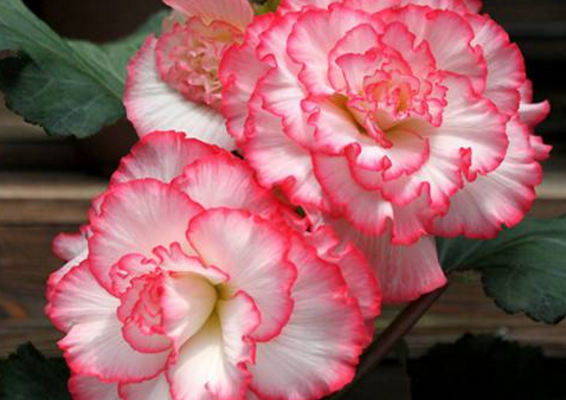
Tuberous begonias need to go dormant in winter. During the growing period they bloom continuously. Their flowers are very large, their centers are very high, and their petals are orderly. The plants grow vigorously. The price is a little high.During the growing period of tuberous begonias, pay attention to the following key points:
1. Watering: do not water directly onto the soil above the tuber. You can press a "water channel" into the edge of the pot with your finger. Carefully pour water into the channel. If the weather is hot, avoid letting them get rained on.
2. Light: outdoors they can receive direct light before 11 o'clock. At other times they need shade. They must not be exposed to the sun in summer. Indoors, place them on a windowsill and adjust the light according to the environment.
3. Environment and temperature: the temperature difference between day and night is very helpful for the growth of tuberous begonias. Unlike tulips, daffodils, and ranunculus, tuberous begonias do not need cool conditions. They bloom continuously from spring to summer to autumn. Very beautiful. In addition, they are perennials and bloom year after year. Pay attention to planting them a bit shallowly at first; the new shoots look pink. They are very tender, as fragile as cream, so do not touch them. Then you can add soil. Their tubers are also different from those of cyclamen. The tubers of tuberous begonias have a great many roots on top. Therefore they only need to be buried 5 cm deep in the soil. Fortunately, unlike lilies, they do not require depth. So they are very suitable for potted cultivation.