-

Pruning Methods and Key Technical Points for Pomegranate Trees
Pruning Methods for Pomegranate Trees
-

Detailed Explanation of Key Points for Spring Management Techniques of Plum Trees
Key Points for Spring Management of Plum Trees
-

Which parts of fruit trees are prone to frostbite in winter
Locations where fruit trees are prone to frostbite in winter
-

A Detailed Explanation of the Cultivation Techniques and Management Methods for the Redbud Tree
Cultivation Techniques for the Redbud Tree
-
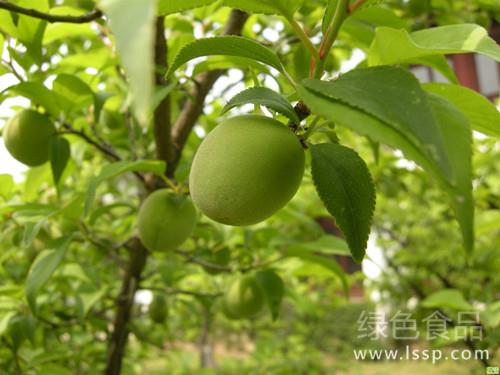
High-quality, High-yield Cultivation Techniques for Japanese Apricot (Green Plum) with Pollinator Trees and Bee Release at Blooming
Cultivation Techniques for High-quality, High-yield Japanese Apricot with Pollinator Trees and Bee Release at Blooming
-

What to Do When the Leaves of the Ping'an Tree Droop and Dry Up? Causes and Solutions
Analysis of the causes of drooping leaves on the Ping'an tree (Cinnamomum kotoense) and how to deal with them: sprinkle a little water on the leaves, then cover the plant with plastic wrap from the bottom upward, sealing the top; it will recover in a day or two. The main cause is temperature that is too low, followed by lack of watering. Some flower enthusiasts have shared that this is how they dealt with it. Leaf drop is due to a lack of trace elements.
-

Eight Key Points of Winter Management for Sichuan Pepper Trees Explained in Detail
The first is "pruning", which means shaping and pruning. Winter is a great season for pruning Sichuan pepper trees. When pruning, the "seven branches" must be removed, namely: water sprouts, dead branches, diseased and pest-infested branches, overly dense branches, crossing branches, overlapping branches, and weak slender branches. Then the removed branches should be gathered and burned, which can eliminate pests and pathogens overwintering on the branches and trunk. The second is "scraping", which means scraping off the rough bark. Many insect eggs overwinter in the cracks of the rough bark of pepper trees, and mulberry white scale insects parasitize the trunk. The scraped rough bark and gummosis spots should be gathered and burned, then apply Liujiaowei and Suolibaer pesticides, and
-
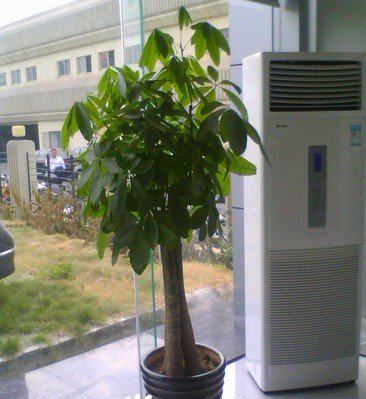
Why Is My Money Tree Losing Leaves? Analysis of 13 Main Causes
Malabar chestnut, also known as Pachira aquatica and money tree. It is an evergreen small tree of the Malvaceae family. Native to Mexico and Costa Rica. Palmate leaves with 7-11 leaflets; indoor money trees have oblong to obovate leaves. There is a horticultural variety, the variegated money tree. Because the name "money tree" is very popular with merchants and ordinary citizens
-
Detailed Explanation of Key Points for Cold-Resistant Cultivation Techniques of Jujube Trees
Jujube cultivation in Liaoning Province is mainly concentrated in the Chaoyang, Huludao and Jinzhou areas. In recent years, the high price of jujube, especially the high returns from superior new varieties, has driven many growers in many areas to successively introduce and plant on a large scale, but most failed due to freeze damage. New development areas are limited to Dalian and Yingkou, and the varieties are only Pear Jujube, Jinling Round Jujube and the like. Other areas still have scattered courtyard plantings, and mostly with old varieties. To enable better development of jujube production in Liaoning Province, the author believes that attention should be paid to cold-resistant cultivation of jujube. 1 Cold-resistant variety
-
Wintersweet is an excellent tree species for winter flower viewing
Ecological habits Wintersweet is also known as huangmei and huangmeihua. It belongs to the genus Chimonanthus in the family Calycanthaceae. It is a deciduous shrub, about 3 m tall, with simple opposite leaves. The leaf blades are elliptic-ovate or ovate-lanceolate, acuminate at the apex, rounded or wedge-shaped at the base, 7-15 cm long, entire, with a rough surface; the flowers are bisexual, solitary in the leaf axils of one-year-old branches, with very short pedicels, yellow, waxy, and fragrant, blooming from December to March. Cultivated varieties include Qingkou wintersweet; Chaiyouxin wintersweet; and Gousheng wintersweet. Wintersweet originated in central China. It prefers sunlight but is also slightly shade-tolerant, relatively cold-tolerant, and drought-tolerant, hence the saying "wintersweet that cannot die of drought"
条件筛选