-
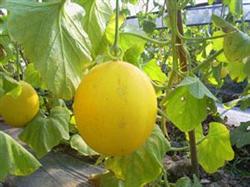
First-Time Melon Growing Experience Exchange: Growing Tips and Insights Shared
In 2009, the price of Elizabeth melons was surprisingly good. Greenhouse-grown melons that hit the market early sold for 5 yuan per jin; the first crop from arched sheds sold for close to 3 yuan per jin, and even the price of the second crop was similar to the first-crop price of previous years, at around 1.5 yuan per jin. As a result, many vegetable growers started planting Elizabeth melons this spring...
-
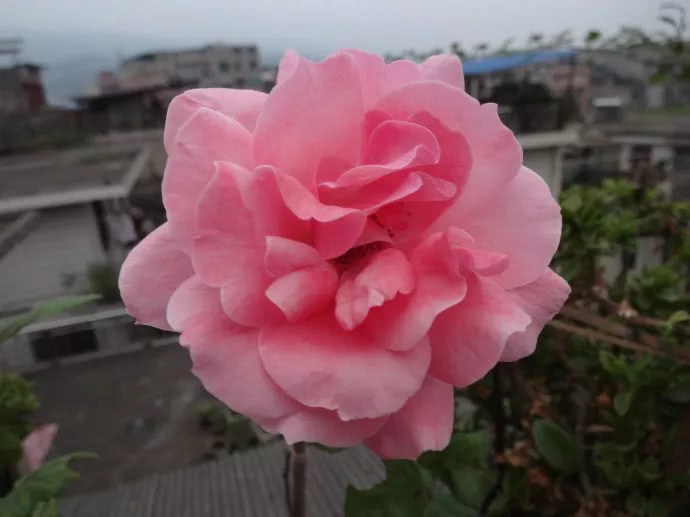
Autumn pruning tips for roses: what you need to know if you have roses at home
If you have roses at home, you should prune them now. If you don't know how to prune, then you should read the following knowledge carefully. Pruning roses in autumn is different from pruning in winter. At this time, you should give them...
-
How to mix nutrient soil for melons? Sharing practical tips
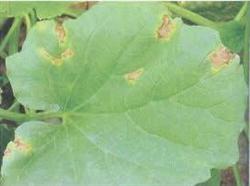
Melon leaf blight, also known as brown spot disease, generally occurs during the peak fruiting stage. It is a fungal disease that can cause melon yields to plummet, with fewer and smaller melons and a greatly reduced sweetness. When external conditions are suitable, it can easily break out suddenly within a short period. The pathogen mainly damages leaves, and often also affects petioles, stems and vines, and fruits. Leaf blight first starts from the base...
-

Spider plant yellow leaves and scorched tips in autumn? Use 1 kind of water and make 1 more cut, and in 7 days it turns lush green
Spider plants and pothos stand side by side as the "two treasures" of the home, and whether at home or in the office you can often see traces of them. Especially that elegant spider plant, whose popularity is no less than pothos, and it likewise has a very strong air-purifying...
-
Practical Tips for Using Calcium Fertilizer to Boost Peanut Yields
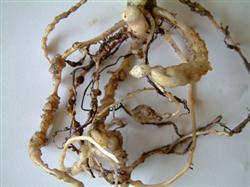
Peanut root-knot nematode disease is a major disease of peanuts, generally reducing yields by 20-30%, and in severe cases by 70-80%, or even resulting in total crop loss. 1. Symptoms This disease mainly damages the roots. All parts of the peanut that can enter the soil (roots, pods, etc.) can be harmed by nematodes. About half a month after sowing, when the peanut taproot begins to grow, the nematodes...
-
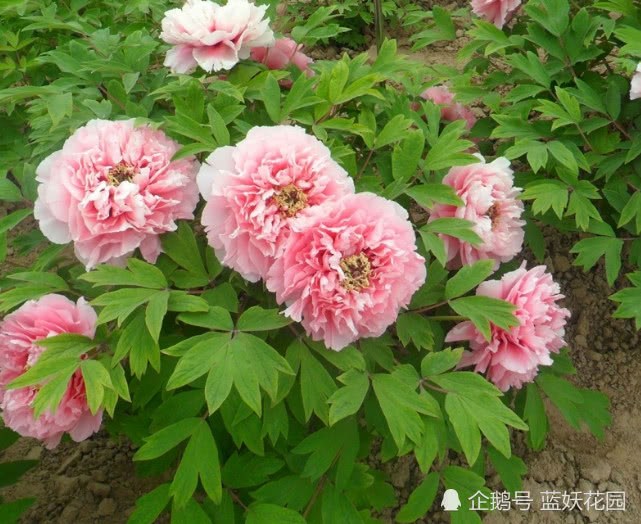
Tips for getting peonies safely through summer, don't let them die in summer
17. Don't let your peonies die in summer, tips for getting peonies safely through summer! This is the 17th article in the original "Peony Cultivation" column by Lanyao. Earlier we said that peonies like sunlight but cannot tolerate strong sun, and can withstand cold but fear heat, so peonies...
-
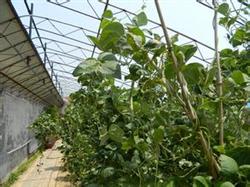
For kidney beans, remove leaves first, then pinch the growing tips: earlier harvest brings higher returns
Currently, greenhouse-cultivated kidney beans are in the vine-extension and flowering stage. How can you ensure a bumper harvest? Here, the reporter suggests that vegetable growers grasp the following key measures for management. First, pinch the tips at the right time. Greenhouse kidney beans and open-field kidney beans have different cultivation environment conditions. Because the temperature inside the greenhouse is higher, the growth rate...
-
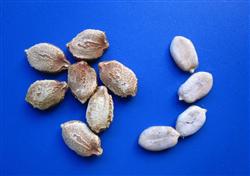
How to germinate bitter melon seeds? A few practical tips for speeding up germination
1. Prepare warm water at about 55°C and pour it into a thermos bottle or another container that can retain heat; put the bitter melon seeds in a gauze bag and rinse them clean with water, gently rubbing the seeds while washing to remove the water-resistant substance on their surface; soak the washed seeds in the prepared warm water, keep them warm for 10 minutes, stirring constantly, then add...
-
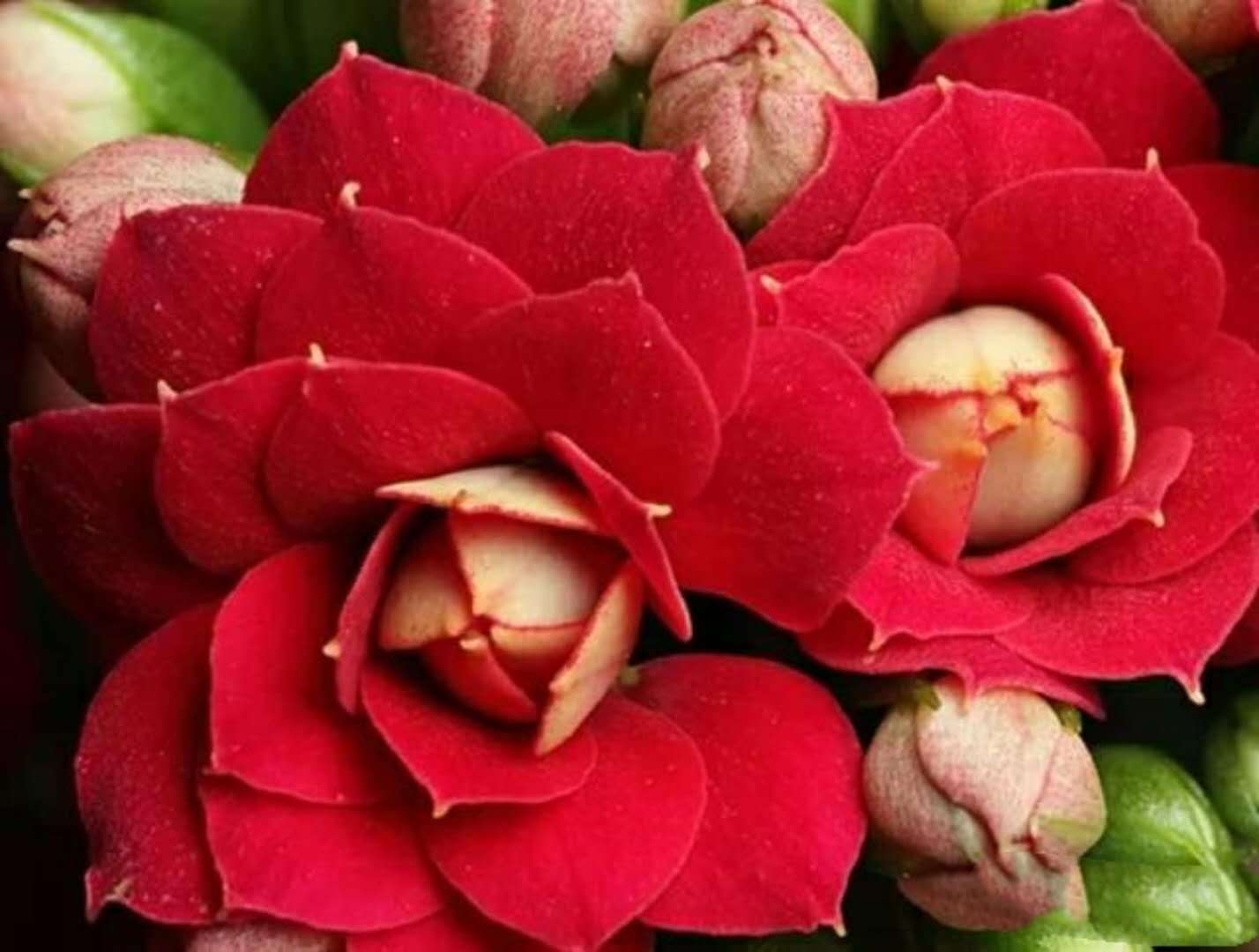
Kalanchoe autumn care tips: covered in flower buds by October
A while ago I posted a video about kalanchoe, and after watching it, many gardening friends asked how to fertilize kalanchoe. Chengcheng tells you: from now on, kalanchoe has entered a period of fairly rapid growth...
-
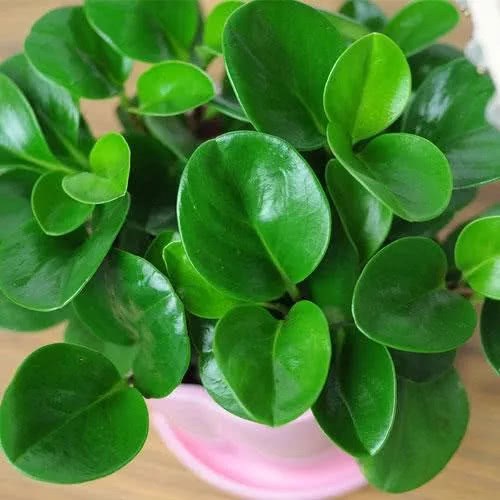
How to grow Peperomia obtusifolia? Master these few tips for thick, green leaves
Peperomia obtusifolia, also called baby rubber plant, is a flower that is very suitable for growing indoors. It is fairly shade-tolerant, and its leaves are emerald green and plump, giving it great ornamental value. Some gardening enthusiasts say the Peperomia obtusifolia they grow has thin leaves and they feel soft, and the main causes of this problem...
条件筛选