-
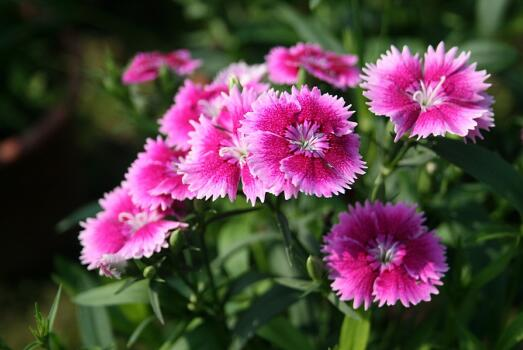
Cape Mallow (Anisodontea capensis) Growing Methods and Care Tips
I. Light Conditions The cape mallow is a sun-loving plant that thrives in bright light, and maintaining at least 6 hours of light per day is most suitable. Sufficient light promotes the growth of the cape mallow, making it more robust, while an overly shady environment will reduce flowering and affect its ornamental value. If placed indoors
-
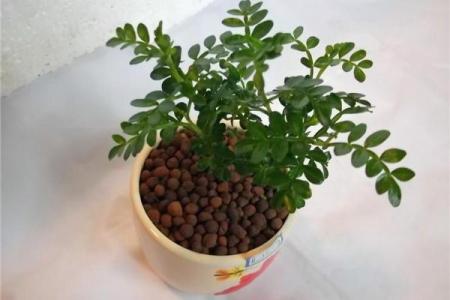
Care Methods and Management Tips for the Fragrant Wood
1. Light and temperature management. The Fragrant Wood likes a warm environment and is not cold-tolerant, so the temperature must be controlled well, neither too high nor too low, and sufficient light must be ensured, as this benefits the growth of the Fragrant Wood. 2. Water management. The Fragrant Wood is slightly shade-tolerant, but watering must be kept under control, and there must be no waterlogging
-

Tips for Choosing Breeding Rabbits: Master These Points to Select High-Quality Breeding Rabbits
How to Choose Breeding Rabbits
-
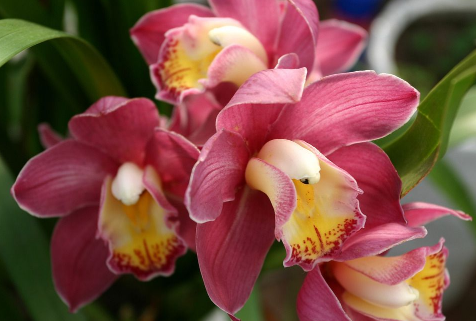
How to grow Cymbidium faberi? Keep these cultivation tips in mind
1. Cymbidium faberi originally grows on mountains at high altitudes and has high requirements for ventilation, so it should be kept in a shaded place. 2. Cymbidium faberi should not be watered too frequently; the soil can be kept appropriately on the dry side. When watering the flowers and leaves, be sure to use only a small amount, or let the water dry off quickly. Too much water flowing into the leaf core will affect the plant's growth.
-
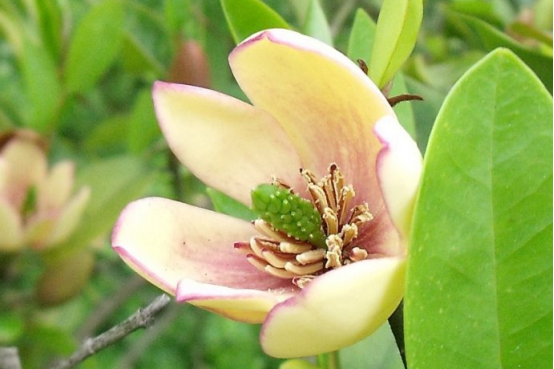
How to grow banana shrubs? These care tips you need to know
1. The banana shrub has thick, fleshy roots and does not tolerate transplanting well. When transplanting, it is best to keep plenty of soil around the root ball and to thin out the branches and leaves appropriately. If the soil ball breaks apart during transplanting, the branches and leaves must be heavily pruned back promptly, otherwise the plant is likely to die. 2. The banana shrub does not tolerate drought or poor, thin soil, and it fears waterlogging. It prefers a fertile, loose, well-drained, slightly acidic loam.
-
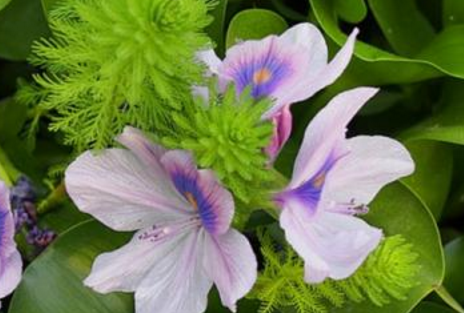
Monochoria korsakowii cultivation methods and care tips
1. Light: Monochoria korsakowii loves light. In spring, autumn and winter it can be given direct sunlight, which is more conducive to plant growth and flowering, while in summer the light is intense, so shade treatment should be done well to avoid direct strong light, and it can be placed in a bright indoor spot for care. 2. Temperature: Monochoria korsakowii prefers warmth, and excessively high summer temperatures are not conducive to plant growth
-

Plumeria Planting Methods and Detailed Daily Care Tips
Method One - Cuttings. Plumeria cuttings have a very high survival rate. Generally, select thick, sturdy branches, cut them into several segments, let the white sap that flows out of the branches dry, then insert them into the soil. During this period, keep the soil moist, and finally just wait for the plumeria to take root.
-
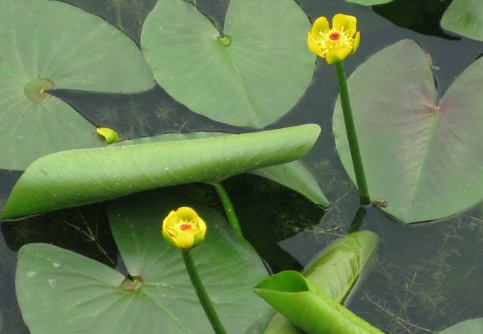
Cultivation methods and daily care tips for Nymphoides peltata
1. Substrate: Ordinary pond mud can be used as the substrate for cultivating Nymphoides peltata. It should not be too fertile, otherwise the branches and leaves will grow too densely and flowering will be affected. 2. Light: Normally ensure sufficient light for Nymphoides peltata. It can be placed in the courtyard for care and will grow well even without shading. 3. Water: Nymphoides peltata has a relatively high water requirement.
-
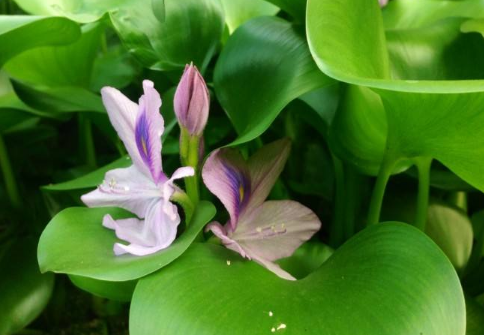
How to Grow Water Hyacinth? Detailed Guide to Cultivation Methods and Tips
1. Temperature: Water hyacinth prefers a warm environment, with an ideal growing temperature of 18°C-23°C. It is highly adaptable and can grow in high temperatures. It is fairly cold-tolerant, but growth will stop when the temperature drops below 10°C. 2. Light: Water hyacinth loves sunlight and needs at least four to five hours of light each day. Lack of light will affect photosynthesis.
-
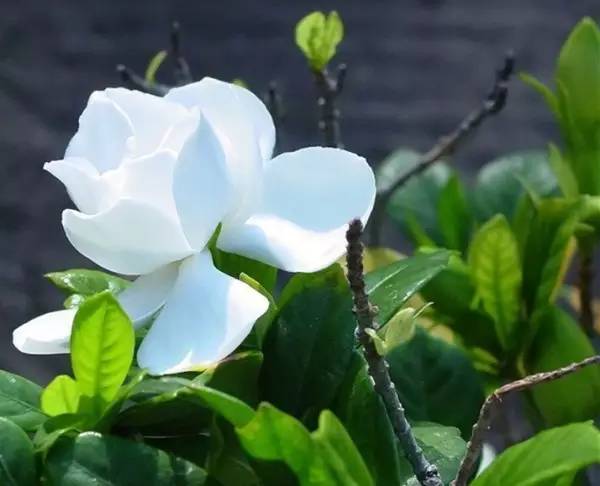
What are the cultivation methods and care tips for the Rosa rubus flower?
Temperature: The optimal growing temperature for the Rosa rubus flower is 20-28°C. It is easy to cultivate, tolerant of drought and partial shade, but not cold-resistant, so the temperature must be kept above 10°C in winter. Watering: The Rosa rubus flower is generally watered once a week. If grown outdoors, watering can be adjusted according to weather conditions. Be careful to keep the soil moist.
条件筛选