-

Aeonium care tips to help you grow them to their peak condition
Speaking of which, has Huizhang been feeding you a lot of beautiful aeonium photos lately? Are your blood sugar levels drained, and your wallet empty along with them? But many succulent growers, after seeing other people's photos, can't help but start doubting their own aeonium. Well then, here's the care method - catch it!
-
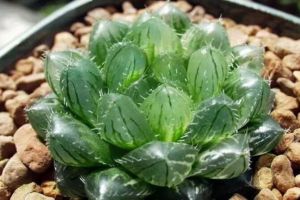
Haworthia cooperi beheading tips: 1 fishing line and a few plastic pieces, ten heads in a row
For crystal-clear Haworthia cooperi, and Haworthia retusa and other Haworthia-type succulents with short, plump leaves, the leaves often sit very close together, so once beheading is needed it becomes especially troublesome. Today Huahua is teaching everyone a simple little trick to easily solve the beheading problem for Haworthia retusa and Haworthia cooperi.
-
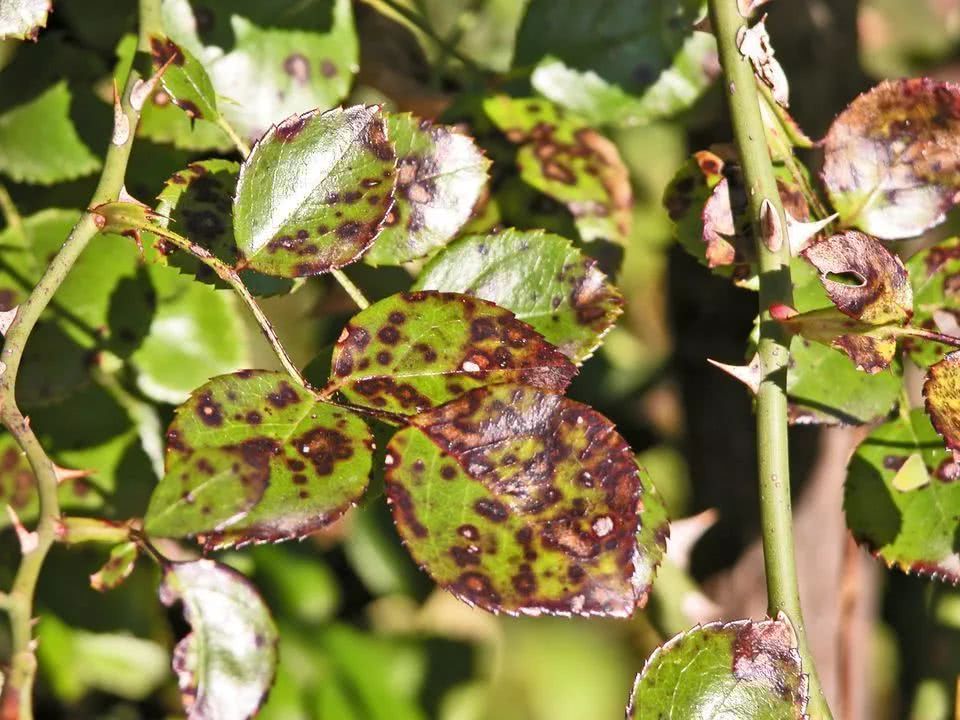
Rose black spot prevention and treatment tips for summer, clear it without chemicals
If roses grow in an environment that stays damp for a long time or has standing water, they easily develop black spot. When growing roses, you must regularly prevent and control pests and diseases to avoid fungal infection. As long as they are cared for properly, roses will produce brilliant and enchanting flowers...
-
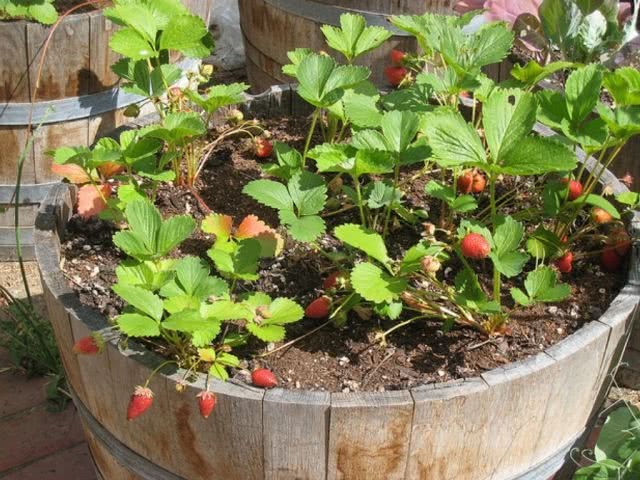
Potted strawberries that keep fruiting: master these care tips
Below we explain how to grow strawberries in flower pots or hanging baskets, so you can grow continuously fruiting strawberries on a balcony or in a yard. The growing methods are described below, and once you master these care tips, you will be able to keep harvesting fruit. You...
-
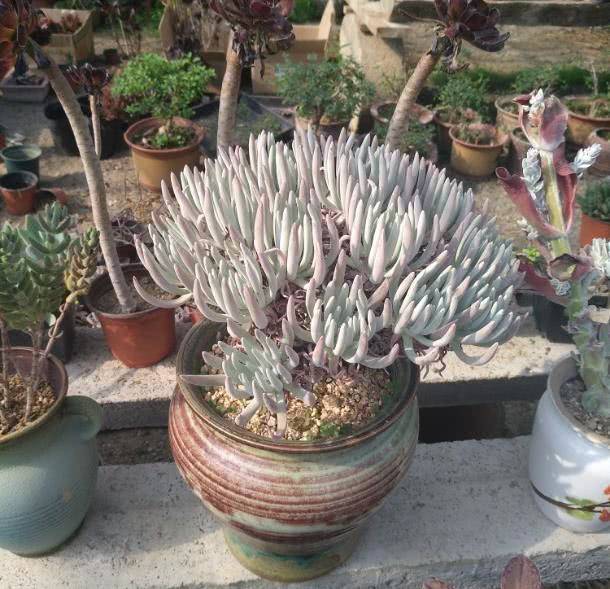
What should you do when succulent soil becomes compacted? These clever tips will make the soil loose again
Soil compaction refers to the phenomenon in which the soil surface, due to a lack of organic matter, hardens after drying under the effect of cohesive forces, making it unsuitable for the growth of flowers, seedlings, and crops. One cause of soil compaction in flower pots is that the water used for watering flowers has relatively high hardness, that is, it contains...
-
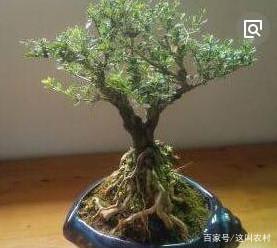
How to grow a Serissa japonica bonsai? Practical care tips tutorial
Serissa japonica has pliable stems that are easy to train; its leaves are round and delicate, its branches dense and fine, it is evergreen in all four seasons, and its roots grip and claw as they are exposed. It is ancient and elegant, and can be trained into styles such as cascade (semi-cascade), cliff-hanging, and formal upright, making it an excellent, exquisite landscape material for bonsai pots, and it is a Lingnan...
-
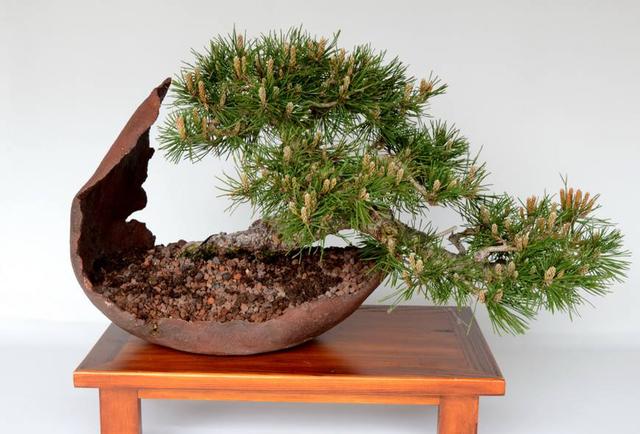
3 little tips for caring for bonsai plants, the last one only 10% of people know
Hello everyone, this is Flower General Mobilization, where there are people who love growing flowers just like you, and all kinds of flower-growing tips you don't know. Bonsai is an art form that is very popular among people today, combining ordinary stones, soil...
-
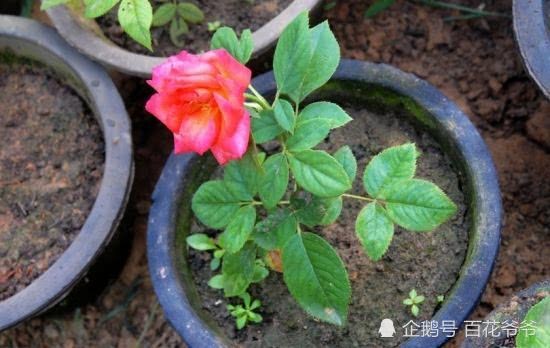
Fast rooting tips for rose cuttings: learn it and they will take root as soon as you plant them
After the spring flush of roses ends, many flower growers use the post-bloom branches for cuttings, but the survival rate is not high. They look like they have sprouted, but within a few days the stems turn black again. Today, Baixiaomei'er recommends a fast rooting technique for rose cuttings, ...
-
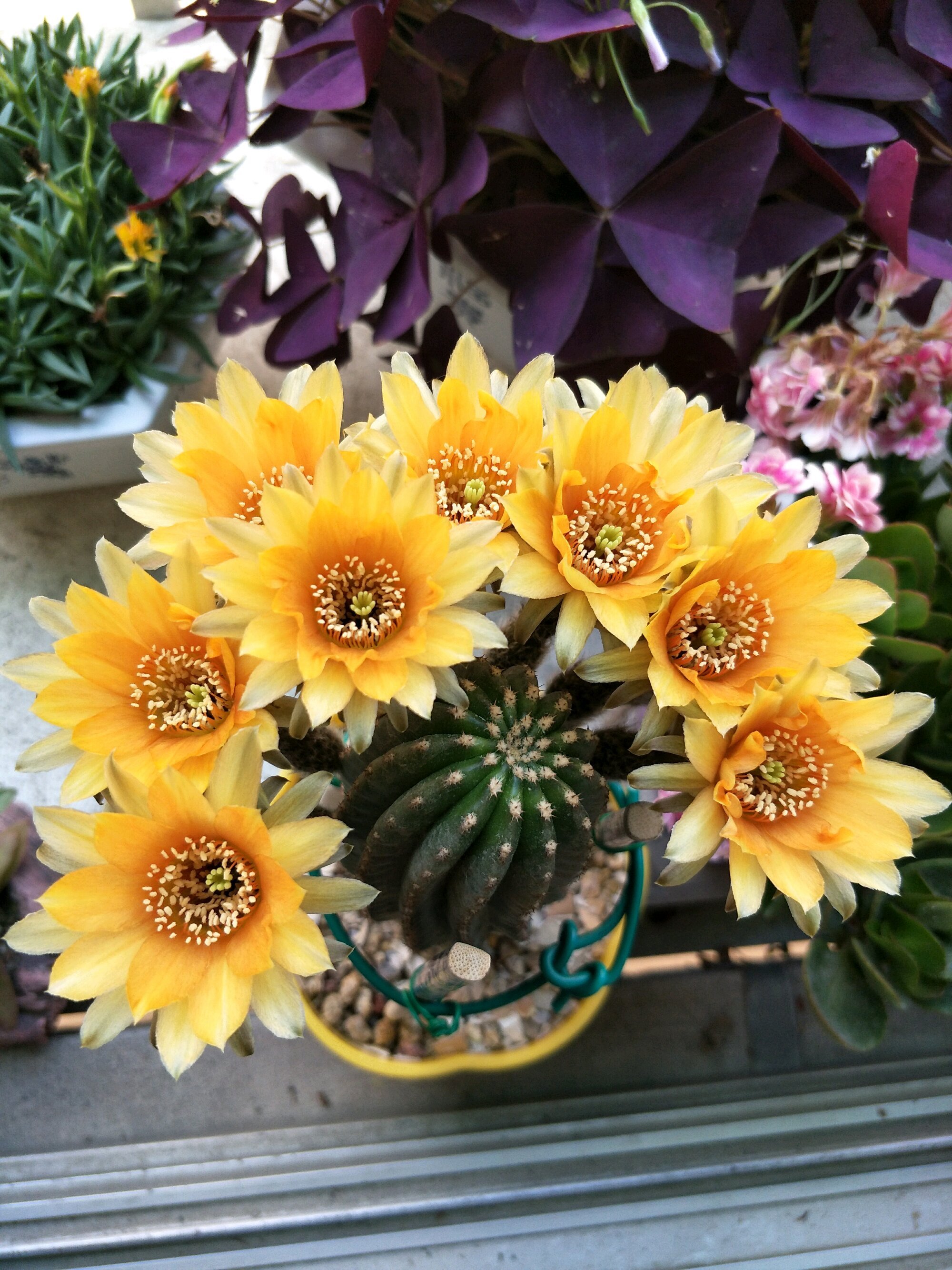
Smart tips for caring for ball cacti: every pot survives and blooms abundantly and beautifully
Although many people say ball cacti are easy to grow, plenty of people manage to kill them, let alone get them to bloom. So today I'm going to share a few "killer tips" with you to keep every pot of ball cacti alive and blooming abundantly and beautifully. Generally, just...
-
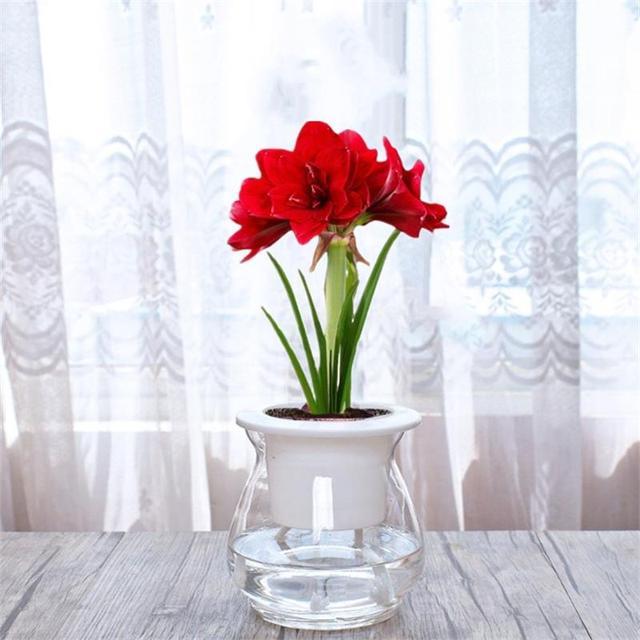
A Detailed Guide to Hydroponic Amaryllis Methods and Care Tips
How to grow and care for amaryllis hydroponically? Amaryllis, also known as red flower lotus, amaryllis, hundred-branch lotus, and trumpet flower. It belongs to the Amaryllidaceae family, genus Hippeastrum. Amaryllis is a perennial bulbous herb. The plant height is 20-30 cm, while the flower stalk can reach up to 50 cm, emerging from the underground bulb. The leaves are broad and strap-shaped, slightly fleshy, emerging at the same time as the flowers or after flowering, arranged symmetrically, 6-8 leaves. The inflorescence is umbellate, bearing 3-6 flowers. The flowers are large, shaped like a large trumpet, about 12-18 cm long. Flower color varies by variety, including orange, red, light red, white, etc., or with stripes. The flowering period is spring and summer. There are about 70 species in the same genus. When amaryllis blooms, the flower stalks stand elegantly, the leaves are emerald green, and the corolla is as large as a trumpet. The flowers open toward the sun, looking especially brilliant and pleasing from a distance (figure).
条件筛选