Potted strawberries that keep fruiting: master these care tips
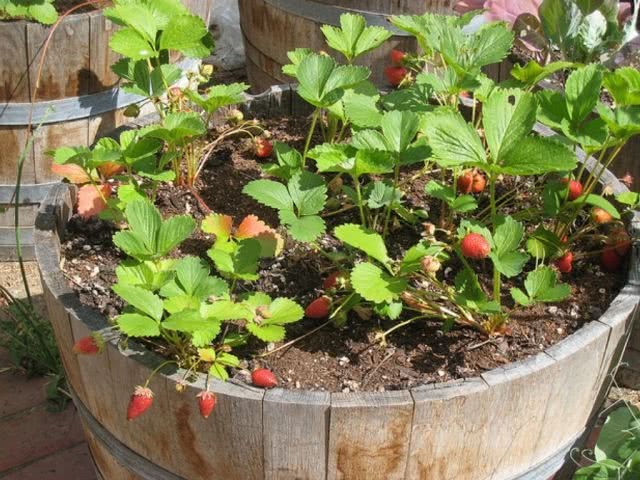
Below we explain how to grow strawberries in flower pots or hanging baskets, so you can grow continuously fruiting strawberries on a balcony or in a yard. The growing methods are described below, and once you master these care tips, you will be able to keep harvesting fruit.
You can choose different strawberry varieties. Summer-fruiting strawberries produce especially large fruit, but there are also everbearing varieties that, with proper care, can bring you sweet fruit in summer and autumn.
Strawberries can be planted in the ground, and if you do not have a yard, you can grow them in pots or hanging baskets. They are very suitable for growing as potted fruit plants. When planting strawberries for the first time, it is best to buy strawberry seedlings to grow, though you can also choose to propagate them by sowing seed. They can flower and fruit continuously for 3 to 4 years, after which the fruit quantity drops off very severely.
For strawberries grown in the ground, space the rows about 30-40 cm apart and the plants about 7 cm apart. Strawberries have very vigorous root systems and need loose, fertile soil, ideally with some compost or thoroughly decomposed base fertilizer added at the bottom. When transplanting strawberry seedlings, make a hole and set them in directly to avoid bending the roots.
After planting the strawberry seedlings, do not cover the crown and stems too much, otherwise water can collect and cause root rot. The strawberry roots should be covered with soil, and the soil should have some water-holding capacity to prevent it from drying out too quickly and turning the leaves yellow.
During strawberry care, the plants grow very quickly. Water regularly to keep the soil slightly moist, and promptly remove any weeds around them. After a few weeks, they will grow into robust plants.
Strawberries produce fruit for at most 5 or 6 years, but they continually send out creeping runners. As long as you cut these runners off and use them for cuttings to propagate, you can keep them fruiting year after year. The creeping runners can be pressed directly into the soil, and once they have grown roots, cut them off and transplant them into new small pots.
The pot for growing strawberries should have fairly large drainage holes. Prepare loose, fertile, well-draining humus soil that is rich in humus. Newly transplanted strawberry seedlings should be watered regularly to keep the soil from drying out. Once the strawberries grow new leaves, as the strawberry plants keep growing larger, transplant them into larger flower pots.
The strawberries above are ones propagated by layering. The creeping runners that grow out are simply buried directly in soil, so they can easily grow into new potted strawberries.
In later care, gradually increase the light, keeping at least 6 hours of direct sunlight each day. The environment must be well ventilated; avoid growing them in an enclosed space. During the growing period, water regularly and keep them well supplied with moisture. Before long you will see them produce white flowers, and flowering is especially vigorous in summer and autumn.
When caring for strawberries, also grow them in a place where bees or other insects can pollinate them. Of course, you can also use a small brush to brush pollen from one flower onto the stigma of another flower. Strawberries take roughly 30-35 days from flowering to fruiting.
When caring for potted strawberries, you must never let the soil dry out excessively. They need a fair amount of water during the growing period, but you should prevent pest and disease problems and avoid waterlogging in the soil, otherwise root rot easily occurs. The growing environment must be well ventilated, otherwise fungal diseases are easily contracted.
You can spread a layer of straw or other mulch over the soil to reduce pests and diseases. You can mix some crushed eggshells and bone meal into the soil, and place a ring of crushed eggshells around the soil surface to prevent damage from slugs and snails, otherwise your strawberries will be eaten bare by them.
After the strawberries set fruit, prevent birds from eating them. You can cover the plants with a net, or place reflective CDs nearby to keep birds away.