What should you do when succulent soil becomes compacted? These clever tips will make the soil loose again
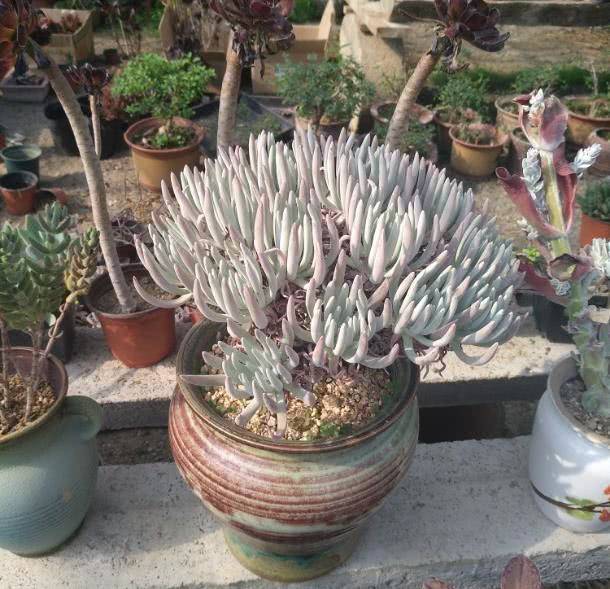
Soil compaction refers to the phenomenon in which the soil surface, due to a lack of organic matter, hardens after drying under the effect of cohesive forces, making it unsuitable for the growth of flowers, seedlings, and crops. One cause of soil compaction in flower pots is that the water used for watering flowers has relatively high hardness, that is, it contains more calcium and magnesium ions. These water-insoluble compounds accumulate in the potting soil, making it hard and compacted.
Generally speaking, when soil compaction is mentioned, the picture that appears in our minds is roughly like this: in the impression of many flower growers, as long as you can lift the succulent and pull the soil out of the flower pot as a whole, and the soil still keeps the shape of the pot, they will think the soil has already become compacted, and then they will want to remove the soil, trim the roots, and repot. In fact, in most cases, you may have simply misunderstood, and your potting soil may not really have become compacted.
It looks as if the soil has turned into one big hard clump, but in reality, as soon as you water it, you will find that the water quickly seeps down into the soil. Many flower growers who mistakenly think their soil is compacted have actually never carefully thought about the origin of the word compaction. Compaction, as the name suggests, is the state in which the surface layer of the soil turns into slab-like pieces and then bonds together into clumps.
What should be done about soil compaction in succulent plants? First of all, use tap water with caution, and strictly prohibit the direct use of untreated tap water. This is because the bleaching powder and chlorine in fresh tap water can cause potting soil to become compacted and may even lead to salinization and alkalization of the potting soil. It is best to use tap water that has been stored overnight, which can greatly reduce the probability of potting soil becoming compacted.
During the care of succulent plants, in the growing season, excessive use of chemical fertilizers will cause potting soil to become compacted. In the process of continuous transformation and decomposition, organic fertilizers will create gaps in the potting soil. These gaps can not only slowly provide nutrients to flowers and plants, but also help make the soil loose, thereby enhancing the air permeability of the potting soil. Therefore, chemical fertilizers should be used as little as possible, and organic fertilizers should be used more often.
Some flower growers find that the roots of succulents grip the granular soil so tightly that they can lift the entire flower pot by lifting the succulent, and then think the soil has become compacted. In fact, this is all a misunderstanding of soil compaction. If we use granular soil, it is actually very difficult for the soil to become compacted. This is because granules of different materials are unlikely to truly bond together to form a hard clod of soil. However, if we measure by the standard of the impact of soil compaction on plants, then when the following situations occur, it can be regarded as soil compaction, and we should consider repotting and changing the soil.
This is a gathering place for succulent plant enthusiasts, sharing succulent care tips. You are welcome to follow and exchange ideas.