-

What are the prevention and treatment methods for the "new three diseases" of grass carp?
Prevention and treatment methods for the "new three diseases" of grass carp
-

Three Freshwater Fish Farming Methods Explained in Detail
The Three Farming Methods for Freshwater Fish
-
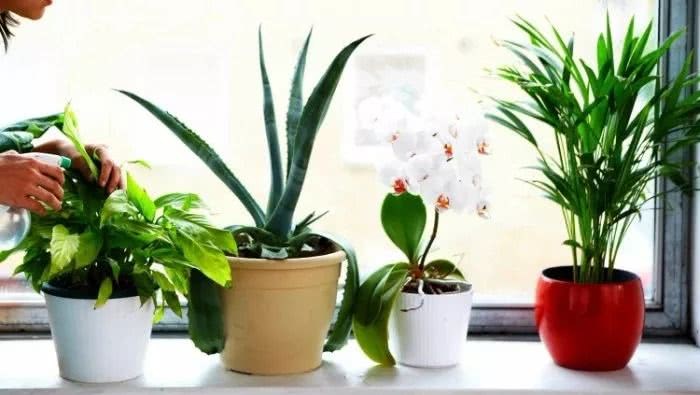
Three Potted Plants with Remarkable Indoor Air Purifying Effects
If you want to make life easier and more enjoyable, beyond raising your material standard and adding entertainment, you should also improve the air quality at home, and the best way is to grow some plants that can absorb harmful gases. The following three indoor potted plants...
-
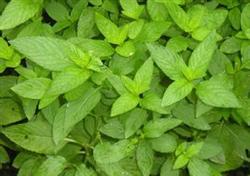
Key Techniques for Three-Dimensional Cultivation of Soybean and Gastrodia elata
In order to develop the local economy and increase farmers' income, the introduction of the aromatic crop mint for demonstration planting has achieved success, the key techniques for mint cultivation have been clearly understood, and experience has been accumulated for large-scale promotion. 1. Seedling raising. 1. Rhizome propagation. Cultivate seed rhizomes in late April or late August. In the field, select robust-growing...
-
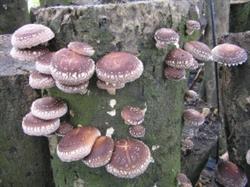
Three key points for shiitake mushroom management that mushroom growers must master
1. Selection of cultivation season. Shiitake mushrooms belong to the low-temperature type of fungi, and the mycelium can grow at temperatures between 5-32°C. As long as artificial cultivation can be properly regulated with suitable temperature and humidity, they can be cultivated all year round. However, inoculation and cultivation usually start from August to October, mushrooms begin to grow from November to October, production peaks around the Spring Festival, and by summer...
-

Remember the "three less, one more" for orchid care, and the flowers will bloom so abundantly you can't stop them
The Complete Guide to Home Gardening: Teacher Xiaoye teaches you all kinds of gardening knowledge! Orchids are rather delicate, and many people fail to grow them well. An old orchid grower revealed the reason: orchids don't die of heat in summer, don't die of cold in winter, don't die of drought in autumn, but they get fussied to death by you...
-
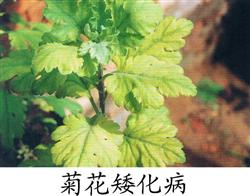
What are the three common diseases of chrysanthemums?
Chrysanthemum, also known as ganjuhua, is a perennial herbaceous medicinal plant of the Asteraceae family. Its traditional Chinese medicine names are white chrysanthemum and yellow chrysanthemum. The flowers are used as medicine and have the effects of dispersing wind and dissipating heat, and clearing the liver and brightening the eyes. It is mainly produced in Anhui, Zhejiang, Henan, Hebei and Sichuan, and is cultivated in other parts of the country. The main diseases of cultivated chrysanthemums include chrysanthemum powdery mildew, ...
-
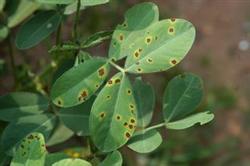
Implement three protection measures in the late growth stage of peanuts to promote increased yield
What is the difference between peanut black spot and peanut brown spot? Peanut black spot and peanut brown spot are the most common leaf diseases of peanuts. Their common feature is the formation of spots on the leaf surface, so they are collectively called leaf spot disease. The main differences are: brown spot occurs earlier, appearing at the early flowering stage, and in the later stage the lesions on the leaves are relatively large, round or irregular...
-
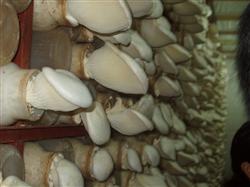
Three key techniques to master in the mushrooming management of the white king oyster mushroom
As a premium and rare edible mushroom, the white king oyster mushroom has developed rapidly in China, but many cultivation attempts end in failure. I would now like to share some of my experience in cultivating the white king oyster mushroom with everyone. 1. Post-ripening cultivation: after the mycelium of the white king oyster mushroom has fully colonized the bag, it cannot be induced to fruit immediately; it needs 50-60 days of physiological maturation before it can fruit. At this stage...
-
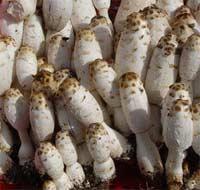
Hanging Bag Cultivation of Black Fungus (Wood Ear) and Stropharia rugosoannulata in a Multi-Layered Three-Dimensional Setup Doubles Returns
Distiller's grains are an excellent substrate for cultivating edible fungi. Their nutrient composition suits the growth of Stropharia rugosoannulata mycelium, and using them can both lower the production cost of Stropharia rugosoannulata and prevent environmental pollution. Distiller's grains contain a small amount of ethanol and active yeast that are harmful to mycelial growth, and they are highly acidic, with a pH of 3-5. Therefore, fresh distiller's grains should be selected...
条件筛选