-
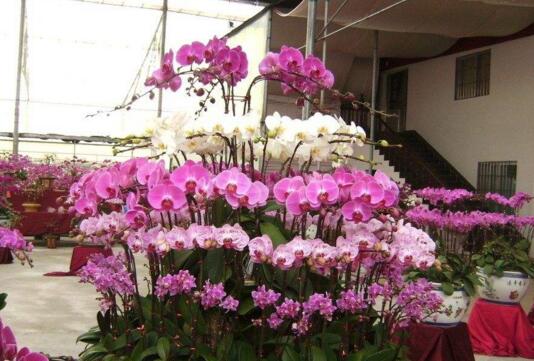
What to Do When a Butterfly Flower Has Root Rot? Three Steps - Pruning, Disinfection and Repotting - to Bring It Back from the Dead
When we grow butterfly flowers, improper watering or pathogen-containing soil can cause the roots of the butterfly flower to rot. This phenomenon is called root rot in botany, and it has a fatal effect on the plant's growth.
-
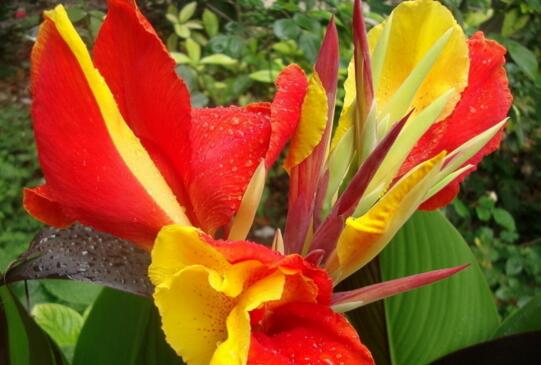
Do Canna Lilies Need Pruning? Three Pruning Methods to Keep Them Blooming Continuously
Do Canna Lilies Need Pruning? Canna lilies have extremely vigorous vitality, and their growth rate is one of the faster types among plants. They can grow to 1.5 m or even taller in a very short time, and they can also produce new shoots from their stems and branches. So do canna lilies need pruning? The answer is yes. ① Pruning canna lilies
-

What to do about yellowing and falling leaves on Serissa japonica? Pay attention to three points, avoid strong light and lack of water
Serissa japonica, as its name suggests, has pure white flowers that are very endearing, and combined with its emerald green leaves, its ornamental value is truly off the charts. However, no matter how beautiful the plant, improper care can also cause symptoms of yellowing and falling leaves. So what should be done about yellowing and falling leaves on Serissa japonica? Actually, it is very simple, find the cause of the yellowing leaves
-

How to grow potted peonies? Cultivation methods and notes on fertilizing three times
Peony flowers should be familiar to gardening enthusiasts. They are often mistaken for tree peonies, because the way they look after blooming is really so similar! But similar as they are, their habits are very different, and this becomes obvious during the process of growing them. So how do you grow peony flowers?
-
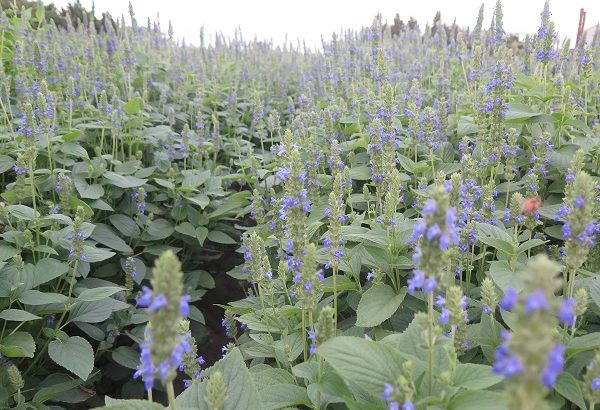
Top three super health foods recommended, the Tian Gui Project lets you eat your way to health
Tian Gui Project: Three super health foods to let you eat your way to health.
-
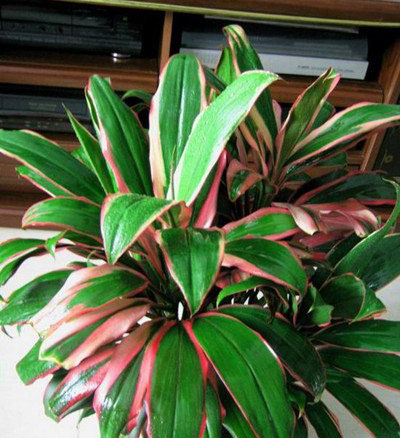
A detailed guide to the propagation methods of the three-colored cordyline, easy to learn at a glance
The three-colored cordyline, also known as the three-colored ti plant, is an evergreen shrub in the Agavaceae family. It prefers a warm, humid and semi-shaded environment and fears direct strong light. Its optimum growth temperature is 20-25°C. It is not cold-tolerant and fears waterlogging. It is suited to loose, fertile, well-drained, slightly acidic sandy loam. The three-colored cordyline is commonly propagated by cuttings.
-
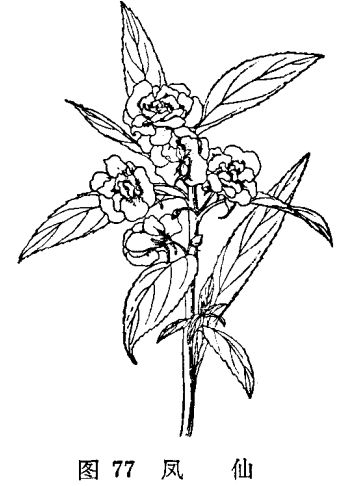
What are the three species of flowers in the same genus as Impatiens?
1. Impatiens balfourii Hook. (Balfour's impatiens): A perennial herb, 90 cm tall, much branched. Leaf margins have fine curved teeth, petioles lack glands. Flowers large, 6-8 clustered into racemes. Capsules erect, 2.5-4 cm long, smooth. Native to the western Himalayan region.
-
Common problems and solutions in wheat-intercropped Three-Cherry pepper cultivation
With the adjustment of the agricultural structure, Three-Cherry pepper began to be planted in Neihuang County in 1993, and by 2004 it had grown to 4300 hectares, with the most concentrated area being Lucun Township, where the planting area is about 2900 hectares, and a trading market covering 6.5 hectares, with an annual trading volume of 87 million t and an annual trading value of 29.58 million yuan, was established, achieving good economic and social benefits, but many problems still exist, restricting farmers' economic returns. 1 Problems existing in production
-
Cultivation method for growing Pinellia ternata in three crops a year
The Chinese medicinal herb Pinellia ternata can be grown in three crops a year. Planted in April, harvested in July; planted in July, harvested in October; planted in October, harvested in April of the following year. Three crops of Pinellia ternata can bring in more than 5,000 yuan per mu. Site selection and land preparation: For planting Pinellia ternata, loose and fertile soil is best. In combination with land preparation, apply 3,000-5,000 kg of farmyard manure, 25-30 kg of superphosphate, and 1,000 kg of plant ash per mu; ammonium bicarbonate must not be applied. After deep ploughing and fine harrowing, make beds 1.3 m wide and 17 cm high, with ditches 30 cm wide. In the ditches, intercropping can be done with
-
Wheat-cotton-mung bean three-crop-per-year, three-harvest planting model
For the cotton variety, select a marker hybrid insect-resistant cotton with a loose plant type, chicken-claw-shaped leaves, good ventilation and light penetration, and strong boll-setting ability. For the wheat variety, select the high-yield, disease-resistant variety Han 4564. For the mung bean variety, select Zhonglu 1. Choose a plot with good water and fertility conditions for the planting pattern, harvest the autumn crops in time to clear the stubble, and sow while there is soil moisture; if there is no moisture, irrigate the land to create moisture. Apply more than 4 cubic meters of high-quality farmyard manure, 25 kg of diammonium phosphate, 20 kg of potash fertilizer, and 15 kg of urea per mu. Plow deeply to 25 cm and harrow 3-4 times. Make beds 200 cm wide, with a bed ridge width of 60 cm and a bed surface width of 1
条件筛选