-

Grain Banks in a "Three-Nos" Predicament, with Risks of Absconding and Reckless Expansion Becoming Prominent
Grain Banks in a "Three-Nos" Predicament, with Risks of Absconding and Reckless Expansion Becoming Prominent
-
-
Key Techniques for Three-Membrane Covered Cultivation of Winter-Spring Potatoes
Three-membrane covered cultivation techniques for winter-spring potatoes (large arch shed, small arch shed, plastic film). Generally, sprouting is promoted and sowing is done in December, and harvest takes place at the end of March the following year. Each mu can yield about 3500-4000 kg of potatoes. It reaches the market one month earlier than early-spring plastic film covered potatoes, and the economic benefits are very significant. The cultivation techniques are as follows: 1. Site selection, shed construction specifications and planting specifications (1) Site selection and shed construction specifications. Choose plots with loose soil, sufficient water sources, and convenient drainage and irrigation to build sheds. Large arch sheds are generally 60 m long
-
What are the three main causes of cotton red leaf stem blight?
Cotton red leaf stem blight is a physiological disease caused by potassium deficiency. It occurs in the middle and late stages of cotton growth, and in dry years the occurrence and severity of damage are more serious. In the field, cotton generally begins to show symptoms at the bud stage, and the disease is most severe during the boll-setting and boll-opening stages. Symptoms mainly appear on the leaves. Diseased leaves develop from top to bottom and from the outside inward. Diseased leaves begin to lose green color from the edges, first turning yellow, then producing red spots, and finally the whole leaf turns red, the mesophyll thickens, wrinkles and becomes brittle, while the veins remain green. In severe cases, the leaves of the whole plant lose green color, then turn red and brown, the leaves scorch and fall off, leaving bare stems, and the plant
-
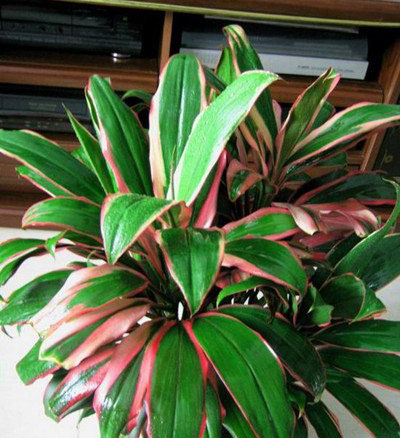
A detailed guide to the propagation methods of the three-colored cordyline, easy to learn at a glance
The three-colored cordyline, also known as the three-colored ti plant, is an evergreen shrub in the Agavaceae family. It prefers a warm, humid and semi-shaded environment and fears direct strong light. Its optimum growth temperature is 20-25°C. It is not cold-tolerant and fears waterlogging. It is suited to loose, fertile, well-drained, slightly acidic sandy loam. The three-colored cordyline is commonly propagated by cuttings.
-
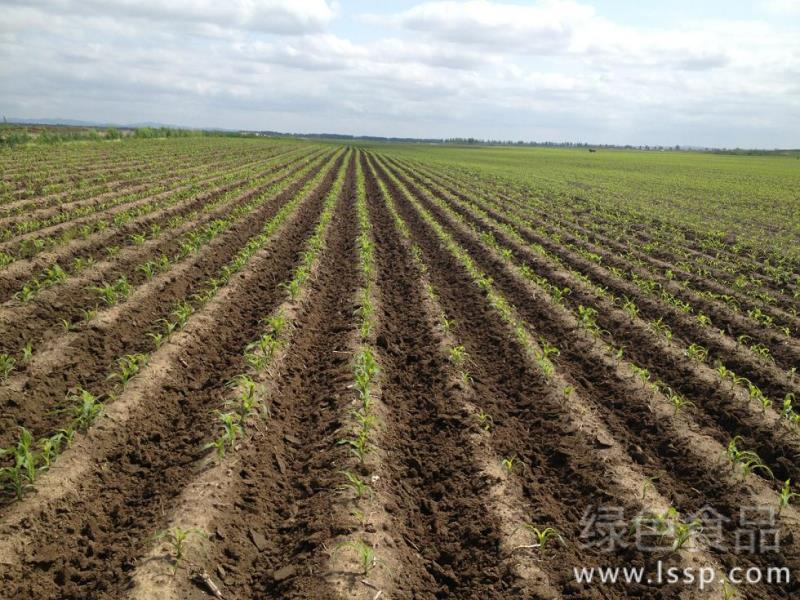
Soybean Ridge Three Cultivation Technique: Layered Fertilization with Double Rows on the Ridge
Soybean Ridge Three Cultivation Technique: Layered Fertilization with Double Rows on the Ridge
-
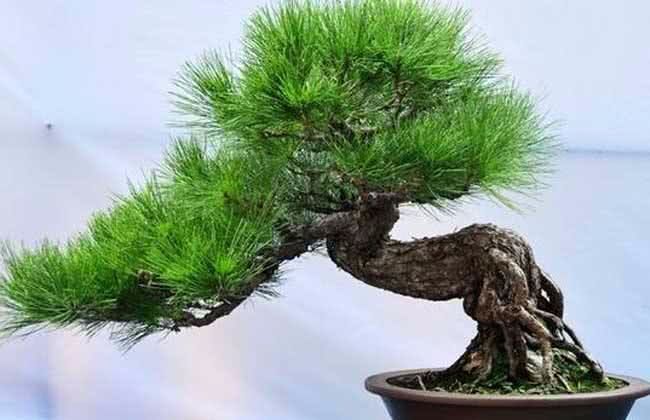
Don't give these three flowers away casually, and don't throw them out either. As long as they haven't withered, care for them well. The longer you keep them, the more valuable they become.
These days, when it comes to giving gifts, people don't know what to choose. Of course, for plant lovers, if the relationship is close and you want to show a bit of originality, just buying something random won't do. So during holidays and festivals, besides food, is there really...
-
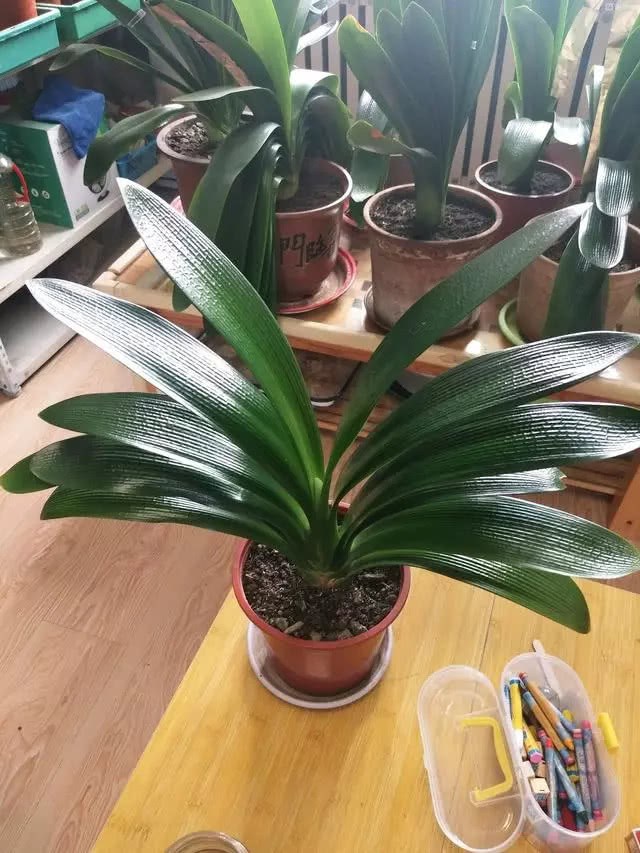
Clivia leaves stay glossy green all year but refuse to bloom? Turns out three pitfalls were triggered
Speaking of Clivia, many friends are surely familiar with it. It not only has an elegant bearing, quite like a gentleman, but also has a powerful air-purifying ability. Add to that its charming, lovely flowers and high ornamental value, and many plant lovers like to grow it at home...
-
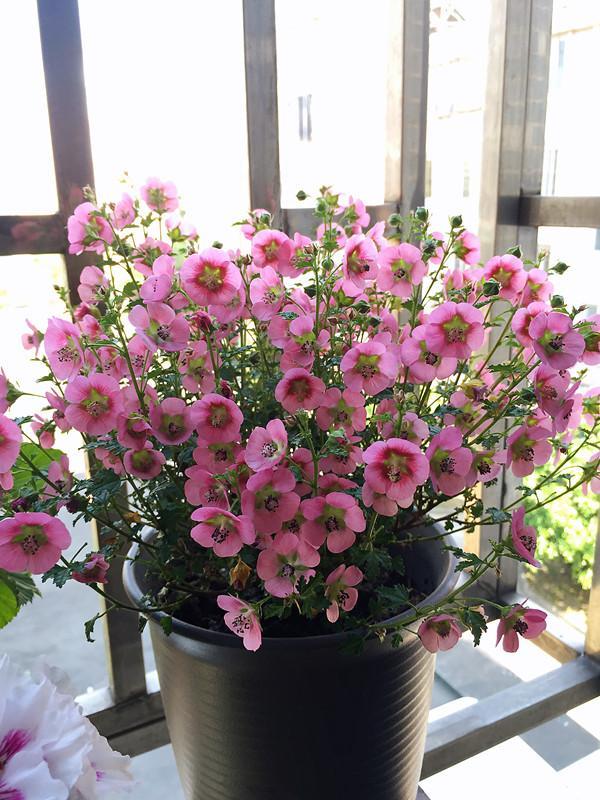
The potted plant with the longest blooming period, flowering for three hundred days at a stretch, easy to grow and beautiful, choose it in autumn
Introduction: Green plants and potted flowers are essential decorative items for home life. Keeping some flowers and plants at home has many benefits: it beautifies the room and pleases the mood. "Huasheng Potted Plant Diary · Issue 1256" introduces you to a plant with one of the longest blooming periods. ...
-
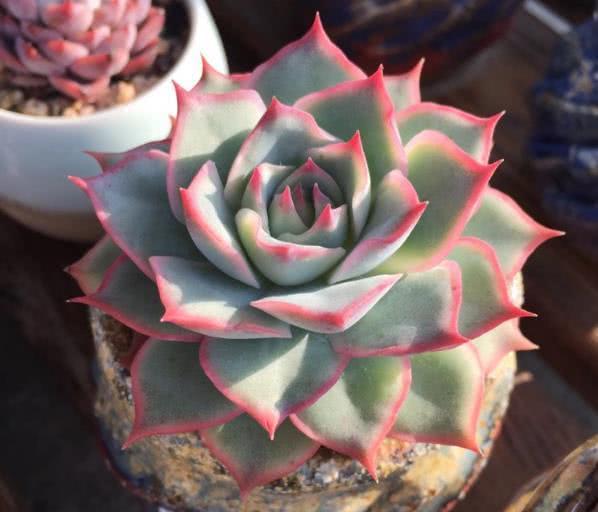
A succulent has not been repotted for three years, its leaves are withered and it looks listless. How can it be saved?
Generally speaking, we usually choose to repot succulents with fresh, nutrient-rich soil once every one or two years, because the nutrients in the original soil may already be used up, and it may also become compacted. Repotting is greatly beneficial to the later growth of succulents...
条件筛选