-

What are the three main causes of cotton red leaf stem blight?
Cotton red leaf stem blight is a physiological disease caused by potassium deficiency. It occurs in the middle and late stages of cotton growth, and in dry years the occurrence and severity of damage are more serious. In the field, cotton generally begins to show symptoms at the bud stage, and the disease is most severe during the boll-setting and boll-opening stages. Symptoms mainly appear on the leaves. Diseased leaves develop from top to bottom and from the outside inward. Diseased leaves begin to lose green color from the edges, first turning yellow, then producing red spots, and finally the whole leaf turns red, the mesophyll thickens, wrinkles and becomes brittle, while the veins remain green. In severe cases, the leaves of the whole plant lose green color, then turn red and brown, the leaves scorch and fall off, leaving bare stems, and the plant
-
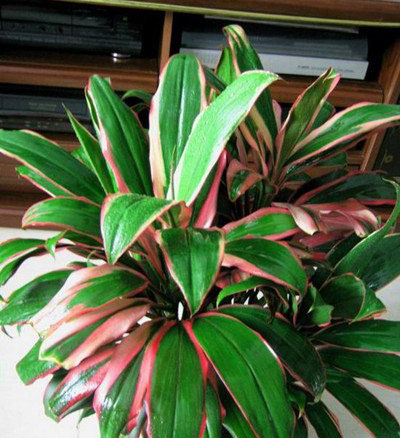
A detailed guide to the propagation methods of the three-colored cordyline, easy to learn at a glance
The three-colored cordyline, also known as the three-colored ti plant, is an evergreen shrub in the Agavaceae family. It prefers a warm, humid and semi-shaded environment and fears direct strong light. Its optimum growth temperature is 20-25°C. It is not cold-tolerant and fears waterlogging. It is suited to loose, fertile, well-drained, slightly acidic sandy loam. The three-colored cordyline is commonly propagated by cuttings.
-
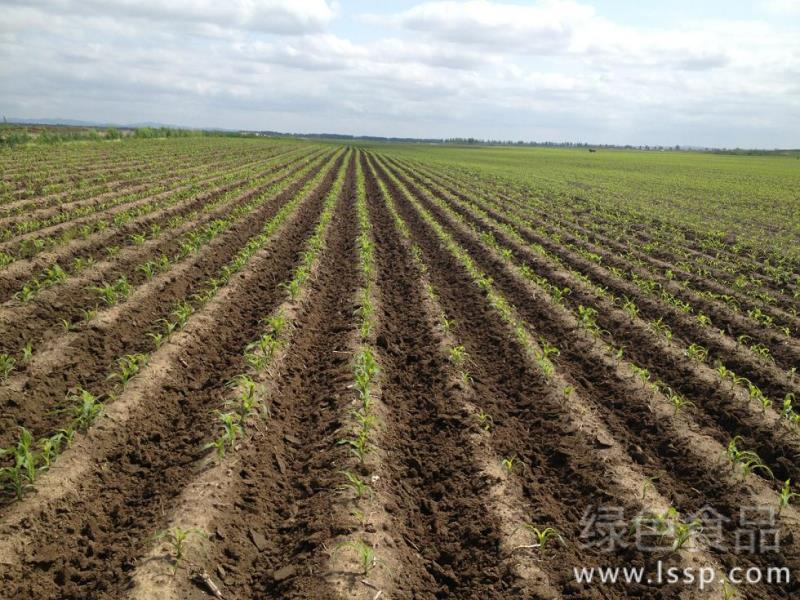
Soybean Ridge Three Cultivation Technique: Layered Fertilization with Double Rows on the Ridge
Soybean Ridge Three Cultivation Technique: Layered Fertilization with Double Rows on the Ridge
条件筛选