-

How are spring tea, summer tea and autumn tea divided?
The division of spring tea, summer tea and autumn tea is mainly determined by the seasonal changes and the intervals of new shoot growth of the tea plant. Under the climatic conditions of our country, except for a few areas in the South China tea region, in the vast majority of tea-producing areas, the growth of tea plants and the picking and processing of tea leaves are seasonal: in the Jiangbei tea region, the tea picking and processing period runs from early May to late September; in the Jiangnan tea region, from late March to mid-October; and in the Southwest tea region, from late January to early December. Tea regions that belong to the subtropical and temperate zones, including the Jiangbei tea region, the Jiangnan tea region and the Xiyie tea region, are usually divided by picking and processing time into the three seasonal teas: spring, summer and autumn. But the standards for dividing seasonal teas are not consistent. Some divide by solar terms: from Qingming to Xiaoman is spring tea, from Xiaoman to Xiaoshu is summer tea, and from Xiaoshu to Hanlu is autumn tea; some divide by time: tea picked and processed before the end of May is spring tea, tea picked and processed from early June to early July is summer tea, and tea picked and processed after mid-July is autumn tea. In the South China tea region of our country, because it is located in the tropics, the four seasons are not very distinct, and tea leaves can be picked and processed almost all year round; therefore, in addition to the distinction of spring tea, summer tea and autumn tea, there is also a classification by the order of new shoot growth of the tea plant and the earliness or lateness of picking and processing, divided into first-round tea, second-round tea, third-round tea and fourth-round tea.
-
Several key points to note when grazing sheep in early spring
1. Choice of grazing land. It should be chosen in sunny slope areas close to the winter grazing land, where grass sprouts earlier, so that when the weather changes suddenly the sheep can be driven back to the pen in time to take shelter. When the amount of green grass is not yet enough for the sheep to eat half their fill, each day the sheep should first be driven to shady slopes with more dry grass, and after the sheep have eaten some dry grass, they should then be driven to the green grass on the sunny slopes. 2. Prevent "running after green". When green grass has just begun to sprout, it looks present from afar but absent up close, and the sheep tend to run around everywhere, commonly known as "running after green". Not only do they fail to eat their fill, but they also use up their strength. They should be grazed on shady slopes with plenty of dry grass, and
-

What are the precautions for spring care of potted flowers?
"Winter is easy to pass, but spring is hard" is a saying born of the experience of flower-growing experts. How can potted flowers safely get through spring? (1) Avoid cold wind. After potted flowers have endured the long cold winter indoors, as soon as early spring arrives people tend to throw open the front and back doors and windows; the cold wind then directly attacks the plants, causing tropical high-temperature-loving flowers
-
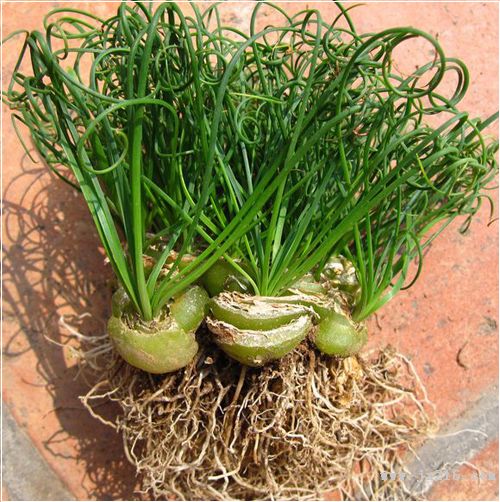
Spring Grass: Planting Methods and Daily Care Tips
Division can be done together with repotting in autumn. The method is to break off the small bulbs that sprout around the large bulb and plant them separately in potting soil; they will survive whether they have roots or not. Sowing is suitable for mass propagation and is carried out in autumn. After sowing, cover with a thin layer of soil and place a piece of glass over it to keep the soil and air moist, which gives a high germination rate.
-

Detailed explanation of asparagus spring planting techniques: master these points to grow asparagus well
Asparagus spring planting techniques
-
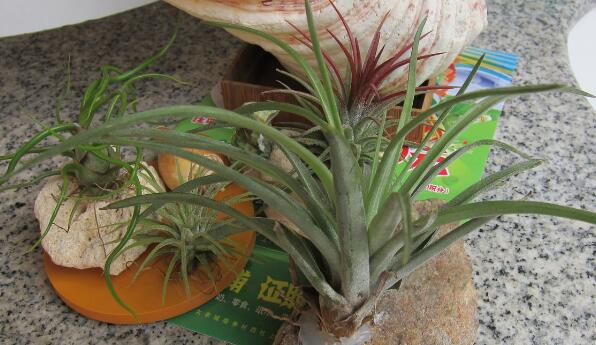
What to do when bromeliad colors fade, pay attention to 4 points to bring on a second spring / fertilize once every 2 weeks
The bromeliad is a very special and beautiful flower, and its trait of blooming only once in its lifetime makes growers treasure it immensely. The beauty of the bromeliad is 6 parts shown in its bright red leaves, but for some reasons, many growers' bromeliads' blood-red petals fade, greatly reducing their ornamental value.
-
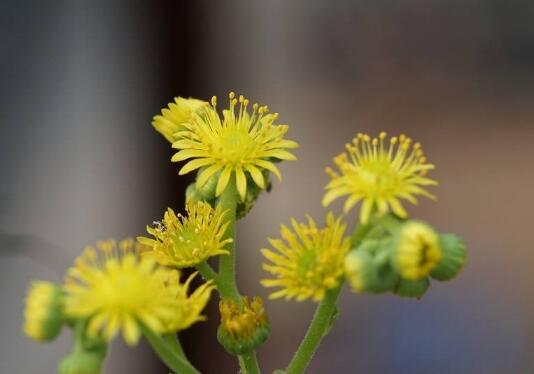
Mountain rose blooms from late spring to early summer; does it die after blooming?
Mountain rose is a highly ornamental plant that can be seen in many parts of China, but many people do not want it to bloom, because it is said that it dies after flowering. So is this really the case? Does mountain rose die after blooming? How long is the flowering period of mountain rose?
-
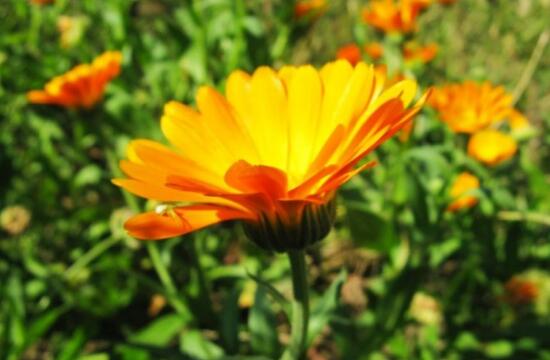
How to grow pot marigold (Calendula officinalis)? Growing methods and precautions, shade needed in spring, summer and autumn
Pot marigold, anyone who has seen it should be deeply impressed; its flowers are brilliantly colored, dazzling with golden light, just like a golden lantern, and it is deeply loved by flower enthusiasts. In daily life, many people want to bring pot marigold into their homes to decorate their living spaces, so how do you grow pot marigold?
-
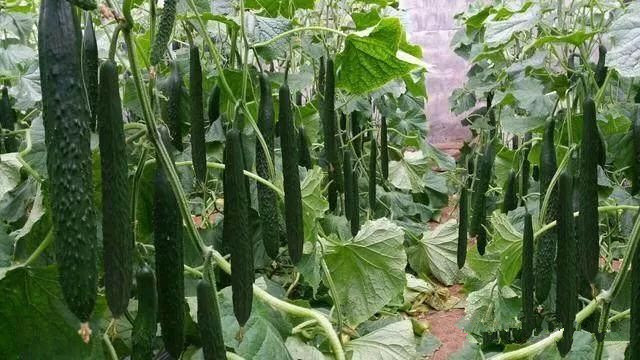
Eight taboos to remember for high-quality, high-yield management of greenhouse cucumbers in winter and spring
The "Eight Taboos" for high-quality, high-yield management of greenhouse cucumbers in winter and spring
-

How to repot a Dracaena fragrans? Repot in spring or autumn, once every 1-5 years
Dracaena fragrans, everyone should have heard of it; it is a famous new-generation indoor foliage plant. Although Dracaena fragrans is easy to grow, during cultivation there is one problem that troubles many flower lovers, and that is repotting! Once it has not been repotted for a long time, the plant will develop all kinds of problems, so how do you repot a Dracaena fragrans?
条件筛选