-

What are the methods for preventing late spring cold damage in fruit trees
How to prevent late spring cold damage in fruit trees
-
Planning to plant spring-sown peanuts? Please learn about these precautions in advance
In 2017, compared with other crops, the price and yield of peanuts were fairly good. In the end, although there was a small weather hiccup, the overall peanut area in 2018 was still relatively...
-

How to grow spring hyacinth beans? Keep these planting precautions in mind
Hyacinth bean, also known as hedge bean, magpie bean, and flour bean, is locally also called eyebrow bean, sword bean, etc. Its tender pods and seeds are eaten. Hyacinth beans not only have high nutritional value, but also have medicinal value such as strengthening the spleen and draining dampness...
-
Crayfish Spring Rural Farming Precautions and Methods to Avoid Losses
After the beginning of spring next year, the parent crayfish that have lived in burrows for a winter will emerge in large numbers to forage in the pond. As the pond water temperature gradually rises and the parent crayfish feed...
-

How to do spring orchard cleaning for apple trees? Keep these precautions in mind
Precautions for spring orchard cleaning in apple orchards
-
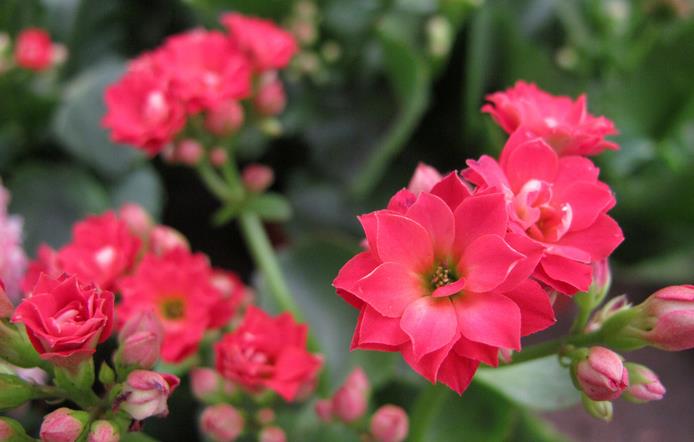
Kalanchoe Name Origin and Spring Care Methods Explained in Detail
Flower lovers generally keep a pot of "kalanchoe" at home. Kalanchoe not only has a beloved name, but its small blooms are also quite lovely and beautiful! Today we will learn about kalanchoe. Follow along with the editor to see why kalanchoe got its name and how best to care for it in spring. Early spring greenhouse gradually warms
-

Key Technical Points for Spring Sesame Cultivation with Plastic Film Mulching
Plastic film mulching cultivation can bring sesame yields to over 150 kg per mu, and some can exceed 200 kg, so film mulching is an effective cultivation measure for achieving super-high sesame yields. The specific techniques are introduced as follows: 1. Seed selection and timely early sowing: After plastic film mulching, the effective growth period of sesame is extended. Therefore, mid-to-late maturing excellent sesame varieties with waterlogging tolerance, disease resistance, and high yield potential should be selected, such as Yuzhi No. 5, No. 7, No. 8, and sesame hybrids. Early sowing is suitable, with a sowing period from the end of April to early May, to fully utilize the growing season and increase sesame yield. 2. Land preparation
-
Early-spring mushroom fruiting tips: manage it this way for good fruiting
After the Start of Spring, temperatures gradually rise. If you carry out simple yet clever management of mushroom beds that already fruited continuously the previous autumn, you can easily prompt a season of spring mushrooms. The specific methods are as follows: 1. Loosen the compost and replenish the soil. When the temperature rises back to 10°C, loosen the compost and replenish the soil promptly. This not only helps expel waste gases from the compost, but is even more helpful for breaking apart old mycelium, promoting the growth of new mycelium, and forming strong mycelium, laying the foundation for increasing spring mushroom yields. Loosening the compost is divided into deep, medium and light loosening, and should be determined according to the actual condition of the mushroom bed compost.
-
Key Management Points for Spring Button Mushrooms and Post-Harvest Handling Methods
The button mushroom (Agaricus bisporus) is currently China's largest export earner among edible fungi, with main production areas in Fujian, Shanghai, Hunan, Guangxi and other provinces. At present, it is the spring mushroom management stage, and some key management techniques for this stage are briefly introduced below: Spring mushroom management accounts for about 30% of total yield. After mid-March, as temperatures gradually rise and stabilize above 10°C, the water content of the casing soil can be gradually adjusted to sufficient levels to meet fruiting needs. When adjusting water, first spray the clear supernatant of lime water at pH 8-9; when the temperature is below 15°C, top-dressing fertilizer can be applied together with spraying. Around April
-
The key to a bountiful spring mushroom harvest lies in winter management of the mushroom bed
After the autumn mushroom harvest is over, if no warming measures are taken and winter mushroom production continues, then the mushroom bed will enter the winter management stage. How well the winter management of the mushroom bed is done has a huge impact on the spring mushroom harvest of the following year. Therefore, the winter management work of the mushroom bed must be done well. The main measures are: do a good job of insulation and ventilation of the mushroom house. In winter, the room temperature of the mushroom house is best kept above 3°C, so that the room does not freeze, to prevent the mycelium from being damaged by frost. In order to maintain this temperature in the mushroom house, before winter arrives, the leaky spots on the four walls of the mushroom house
条件筛选