-

How to keep turtles safe through early spring? Key points for turtle care management
In early spring, turtles have just woken from hibernation and are very weak in activity. In addition, temperatures during this period are unstable, often fluctuating between high and low, making it a critical time for turtle care. So how can you care for turtles well during this period? (1) According to the turtle's physical condition, if heating is needed, raise the water temperature to about 25°C. (2) For feeding, follow the principle of small amounts and high quality. The amount for the first feeding should not be too much; 1% of the turtle's body weight is suitable, and feed twice a week. (3) When changing the water, the temperature difference between the new and old water should not exceed 5°C,
-
The key to a bountiful spring mushroom harvest lies in winter mushroom bed management
After the autumn mushroom harvest, if no heating is applied for winter mushroom production, the mushroom bed enters the winter management stage. The quality of winter mushroom bed management greatly affects the spring mushroom yield of the following year. Heat preservation and ventilation: In winter, keep the mushroom house temperature above 3°C so that the room does not freeze, preventing the mycelium from freezing damage. Before winter arrives, check the four walls of the mushroom house one by one, plug air leaks, and hang cloth curtains on doors and windows to prevent cold wind from entering. On warm days, pay attention to ventilation to keep the indoor air fresh. At noon, open the south windows of the mushroom house for 2 to 3 hours. When the weather is warm and windless and the outdoor temperature is above 8°C, open both the south and north windows to allow air convection. When the outdoor temperature at noon is below 5°C, ventilation should be suspended.
-
How to carry out spring field management for jasmine? Detailed explanation of the key technical points
I. Prune appropriately early From late February to mid-March, pruning appropriately early (along with the corresponding field management) can help jasmine plants enter the vegetative growth stage earlier, and before reaching the temperature suitable for flower bud formation (25°C), have a certain leaf area index to carry out photosynthesis and accumulate more nutrients, laying a good foundation for high yield and high quality of flower buds. The pruning height must be kept at about 20-30 cm above the remaining stump, with heavy pruning for old plants and light pruning for young plants. For 1-2 year old or newly planted
-
The Poetry and Floral Charm of Apricot Blossoms: Experiencing the Beauty of Spring Flower Viewing
The messenger of wine. In the third month of spring, with gentle breezes and bright sunshine, pink peach blossoms and white plum blossoms stir the soul. The cultivation of apricot blossoms can be traced back to the Warring States period. "During the Qingming season, the rain falls thick and fast; travelers on the road look as if their souls will break. I ask where a tavern can be found; a shepherd boy points far off to Apricot Blossom Village." Where exactly Apricot Blossom Village is has long been debated. One account places it in Fenyang, Shanxi; another places it at Phoenix Terrace in Jinling; and there is also Apricot Blossom Village in Guichi, Anhui, with a stretch of apricot groves extending for ten li around. When the lovely spring month of March arrives, "on the apricot branches the spring wind settles; for ten li the misty village is all one red" - this is one of the ten famous sights of Guichi.
-
Prevention and Treatment of Vitamin Deficiency in Pigs in Late Winter and Early Spring
In late winter and early spring, pigs are prone to vitamin deficiency. The main reason is that green fodder is still relatively scarce; in addition, some pig farmers provide a single, unbalanced feed, and the pig houses lack sunlight and ventilation, so pigs are susceptible to vitamin deficiency in spring. The prevention and treatment methods are described below: Vitamin A deficiency. Symptoms: dry skin, dull coat, indigestion, reduced appetite, slow growth. In some cases, vision is weakened and the nerves are disturbed. In severe cases, spasms, circling, unsteady gait, incoordination of movement, and even paralysis of the hindquarters may occur. In sows
-
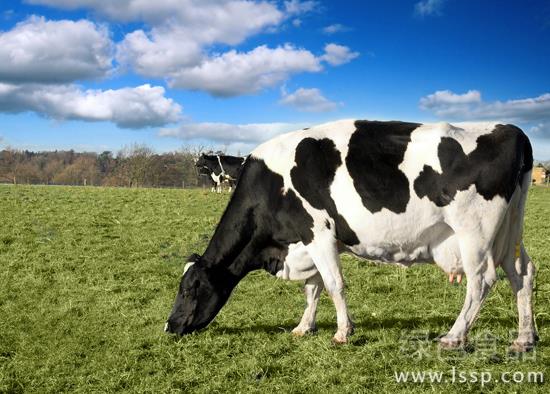
Be cautious when feeding silage to dairy cows in spring: master these feeding key points
Be cautious when using silage in spring: key points for feeding silage to dairy cows
-
Detailed Explanation of High-Quality, High-Yield Oyster Mushroom Cultivation Techniques in Early Spring
Artificial heating: When the temperature inside the mushroom shed is below 8°C, oyster mushrooms grow slowly, and below 4°C their growth is inhibited. To ensure normal growth and development of oyster mushrooms, the temperature inside the shed is best kept at 10°C-20°C, using artificial fires or other heating measures, but carbon dioxide and other harmful substances produced during heating must be discharged outside the shed. Reasonable humidification: During the spring fruiting period, the temperature is 10°C-25°C, suitable for oyster mushroom growth; increase the relative humidity of the ambient air to about 85%, reduce direct sunlight, and prevent a sudden rise in temperature in late spring from creating a high-temperature, high-humidity fruiting environment.
-
Detailed Explanation of Key Technical Points for Lambing Assistance in Spring
Every year in February and March, it is the peak season for ewes giving birth. To assist ewes during lambing, four key points must be mastered: First, pre-lambing preparation. At this time the weather is turning warm but still cold, so a lambing room must be prepared before the ewe gives birth, keeping the temperature above 5°C, and disinfecting with 2%-4% Lysol solution or 15%-20% wood ash water. The floor of the lambing room should be covered with dry grass or sand to keep it dry. At the same time, some disinfectants (such as alcohol, iodine tincture, etc.) and other tools should be properly prepared. Second, normal delivery. When the ewe goes into labor, the lamb first
-
Safe Transport Methods and Precautions for Spring Fish Stock
Early spring is the season for releasing fry and fingerlings, and transporting fry and fingerlings between locations has become an important part of shallow-water aquaculture production. Transport must be safe and efficient, and the survival rate during transport must be ensured and improved. When selecting fingerlings, choose those with thick flesh on the back and tail, a robust body, bright coloration, intact scales and fin rays, no wounds or parasites on the body surface, active swimming in the net cage, a strong ability to swim against the current, and that gather densely in one spot of the cage with heads down and tails up, straining against the water flow. Fry and fingerling transport plastic bags
-
Three Major Disease Prevention and Treatment Methods for Pond Fish in Spring and Summer
1 Carp Hemorrhagic Disease 1.1 Symptoms and Causes The scales on the abdomen of the diseased fish, the fin rays and the caudal peduncle become congested and red. The diseased fish float up close to the ice layer or float on the water surface, gather in groups and swim slowly near the pond edge, and gradually die. ① Hemorrhagic septicemia. The diseased fish appear normal on the outside, or the area under the abdominal scales is congested and red. When the diseased fish is dissected, blood-tinged fluid emerges from the body cavity, and the internal organs have petechial hemorrhages. The disease is caused by Aeromonas hydrophila. ② Brown blood disease (hemorrhagic gill disease). The gill filaments of the diseased fish swell and become dark in color, and some gill filaments
条件筛选