-
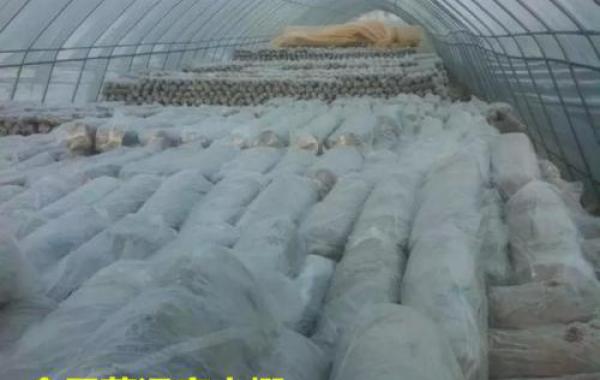
What are the methods for controlling springtails in edible fungi?
How many ways are there to control springtails in edible fungi?
-

Detailed Explanation of Key Points for Edible Mushroom Springtail Control Techniques
Edible Mushroom Springtail Control Techniques
-
Spring management of bag-cultivated edible mushrooms in solar greenhouse plastic tunnels
Spring management of bag-cultivated edible mushrooms in solar greenhouse plastic tunnels
-
Key Technical Points for Over-summering Management of Spring Bag-cultivated Shiitake Mushrooms
After the color change of spring bag-cultivated shiitake mushrooms is completed in mid-June, the high-temperature season begins. Shiitake mycelium is intolerant of high temperatures and drought; when the temperature exceeds 35°C and persists for 4 hours, the mycelium begins to die, or even self-lyse. The following are the key technical points for ensuring that mushroom bags safely over-summer in production, for the reference of mushroom growers: 1. Cooling. Use shade, ventilation, sprinkling water on the ground, hanging clean wet burlap pieces and other methods to lower the temperature, so that the substrate temperature does not exceed 30°C. On sunny summer days, close doors and windows from 9 o'clock until sunset to prevent hot air from entering the room. 2. Shading. Thicken the shading
-
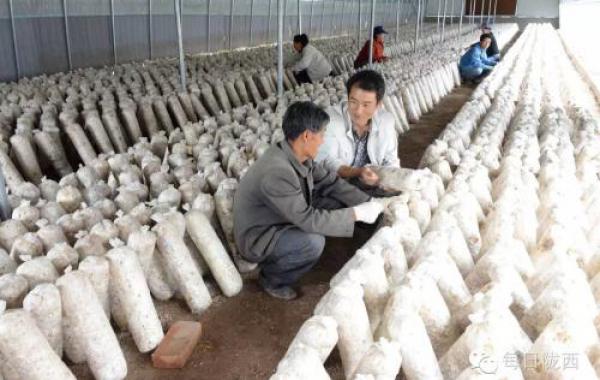
How can edible mushrooms be encouraged to produce more mushrooms during the Spring Festival?
How can edible mushrooms be encouraged to produce more mushrooms during the Spring Festival?
-
Pesticide Application Methods for Controlling Springtails in Edible Mushrooms
How to apply pesticides to control springtails in edible mushrooms? Methods for controlling springtails in edible mushroom cultivation
-
High-yield Wild-simulated Cultivation Technique for Oyster Mushrooms in Winter and Spring
Oyster mushrooms produced using wild-simulated cultivation techniques not only taste as delicious as wild ones, but also truly achieve ecological, high-quality, high yields. Even in the cold winter and low-temperature early spring seasons, they can be grown in a relatively enclosed shade shed, making full use of ground heat to produce thick, tender, high-quality oyster mushrooms. This method increases yield by more than 60% compared with conventional cultivation methods, and by more than 40% compared with cultivation methods such as mushroom walls, with a biological conversion rate reaching more than 220%. The specific techniques for high-yield, high-quality wild-simulated cultivation of oyster mushrooms in winter and spring are as follows: 1. Mycelium culture: Use high-pressure or atmospheric-pressure sterilization
-
Key Techniques for Summer Management of Spring-Planted Oyster Mushrooms
For oyster mushrooms sown in early spring, once summer arrives, rising temperatures and increased humidity not only inhibit the formation of mushroom buds but also encourage the breeding and spread of pests and diseases, making summer management essential. 1. Choose a location with higher ground and good drainage, dig a trench 60-80 cm deep and 50 cm wide, pack the four walls firm, and spread lime powder in the trench, or spray a lime emulsion with 800 times carbendazim solution. If pests or diseases have already appeared in the growing substrate, they should be dealt with first. For those already infected with contaminating microorganisms, scrape off the contaminated areas and soak the mushroom bags or blocks in lime emulsion or 800 times carbendazim solution; for those harmed by insect pests, soak them in 800 times dichlorvos, and after drying, arrange and stack them in the trench to a height of about 40 cm, then fill the trench with sandy loam soil at about 60% moisture content. The covering soil should be 20 cm above ground level, then pat it so that it is moderately firm, with the surface forming an arch shape.
-
How to cope with severe weather in winter and spring greenhouse oyster mushroom production?
In winter and spring, severe weather such as snowfall, cold waves, strong winds, prolonged overcast fog, and sustained low temperatures often arrives uninvited. In mild cases it causes reduced oyster mushroom yields and lower quality; in severe cases it causes total crop failure. Therefore, prevention of and response to severe weather should be strengthened. Main preventive measures: wipe the greenhouse film to improve light transmittance; inspect the greenhouse facilities to ensure the greenhouse's insulation performance; prepare insulating and warming items such as straw mats and old greenhouse film. Response management measures: Cold wave and strong wind cooling weather: Before a cold wave and strong winds arrive, seal the vents tightly, cover the greenhouse film securely, and add a layer of intact old plastic film over the straw mats.
-
Key Points for Winter and Spring Management and Stimulation Techniques of Shiitake Mushrooms
Winter and spring management of shiitake mushrooms is the management of the fruiting period, which determines the level of economic benefit. The fruiting period is a transitional stage from mycelial development to fruiting body development. When management shifts from the spawn-running room to the fruiting period, the mycelium must reach physiological maturity. The standards for maturity are: first, a slight trembling sensation when holding the mushroom bag in the hand; second, the amount of wart-like growths accounts for 3/4 of the bag surface area and they become soft and elastic; third, pigment secretion covers 2/3-1/2 of the bag surface; fourth, the cultivation time must be 60-70 days, with an effective accumulated temperature of 1200°C. At the
条件筛选