-

Off-season vegetables are in short supply, and contract farming helps farmers easily strike gold
Off-season vegetables are in short supply; contract farming lets farmers "strike gold" without leaving home
-
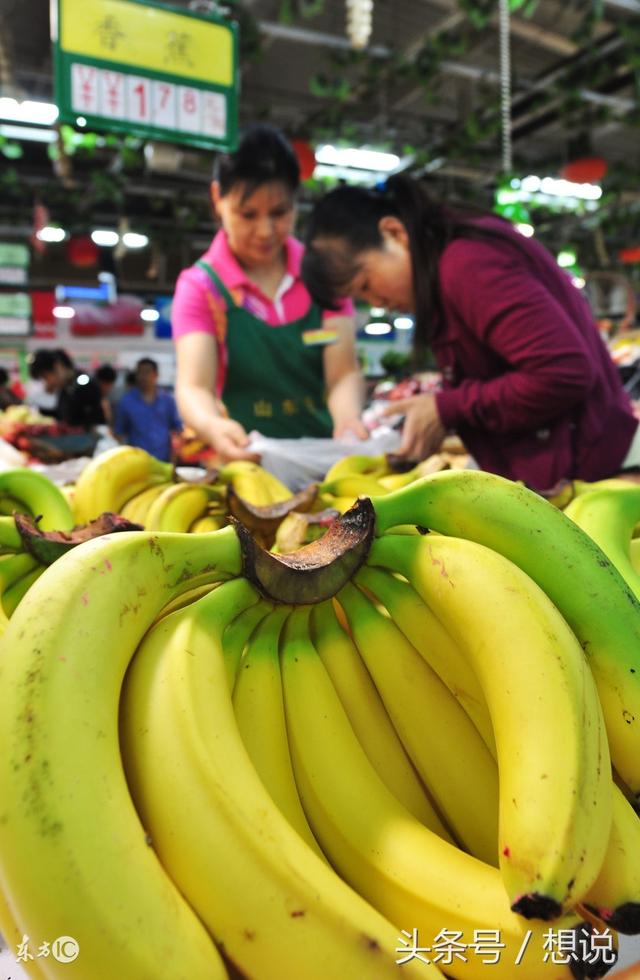
Bananas Rise in Price on Short Supply, Apples Struggle to Move in Volume: 2017 Week 48 Price Analysis
Bananas Rise in Price on Short Supply, Apples Struggle to Move in Volume: 2017 Week 48 Price Analysis, Fruit Edition
-
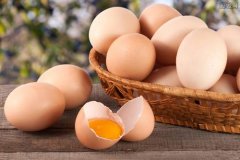
Taiwan, China egg shortage causes prices to soar. What is going on with the most expensive eggs?
An egg shortage has emerged in Taiwan, China. What is going on? Would you like to know? The Executive Yuan and the Council of Agriculture recently held discussions to import eggs to make up the current daily shortfall of 1 million eggs. Chen Chi-chung, head of the Council of Agriculture, said on the 14th that on February 23 and 27, about 1.4 million eggs would be imported from the United States and Japan.
-
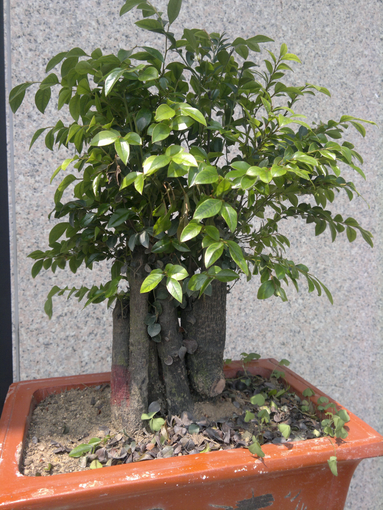
Growing methods and precautions for the small-leaf rosewood (Pterocarpus santalinus), and symptoms of water shortage
When people mention small-leaf rosewood, the first thing that comes to mind is bead bracelets, but here we are talking about the small-leaf rosewood plant. What are the growing methods for small-leaf rosewood? What precautions should be taken? What are the symptoms when small-leaf rosewood lacks water? Growing methods for small-leaf rosewood: the growing temperature for small-leaf rosewood is 20-30 degrees
-
Why are the tulip stems short and the flowers small?
For tulips grown at home, the quality is not as good as those sold at flower markets, usually shown as short stems and small flowers. The main reasons: first, varieties with different genetic backgrounds differ greatly in flower stem length and flower diameter; second, 2 to 3 consecutive years of cultivation causes variety degeneration, because the cultivation environment differs greatly from the ecological conditions of the tulip's place of origin, especially factors such as excessively high summer temperatures and unreasonable fertilization during the growing period, which easily cause bulb degeneration; generally, commercial bulbs can only be planted for 1 to 2 years without corresponding rejuvenation measures; third, bulb storage
-

How to care for honeysuckle so it has short branches and dense flowers?
Potted honeysuckle, due to the limited space of the pot, cannot be allowed to grow freely; the ornamental requirements are higher, requiring a better shape; most importantly, when it blooms it cannot be as unruly as when planted in the ground, but rather its flowers should be concentrated and bloom profusely. The following methods can help you achieve this: 1. Water control. Honeysuckle is a vine, and without intervention
-
Key Techniques for Raising Tea Seedlings from Short Cuttings in Summer and Autumn
I. Nursery Plot Preparation 1. Site selection. A yellow soil in which tobacco, hemp or vegetables have never been grown is required; sandy loam or red soil may also be used; the soil pH should be 4.5-5.5, and the organic matter content in the 0-15 cm soil layer should be below 1.5%; watering should be convenient, and the site should be located below and near a water source. 2. Land preparation. First plow the soil deeply and thoroughly to 25-30 cm, then finely work the top 20 cm of soil repeatedly to ensure the soil is crumbled and the surface is level. 3. Bed making. In summer, make the beds oriented due east-west; in autumn, make them oriented slightly east-west. The beds should be 1.2 m wide and 8-10
-
Short-log sterilized-substrate cultivation techniques for reishi (Ganoderma lucidum)
Short-log sterilized-substrate cultivation is a new reishi cultivation technique that has developed rapidly in recent years. On average, each cubic meter of wood yields more than 20 kg of dried reishi, with high yields reaching more than 30 kg, an increase of 20% over conventional cultivation methods. The reishi is firm and thick in texture with a glossy surface, and its acid content is higher than that of bag-cultivated reishi. More than 90% of the product meets export requirements. 1. Cultivation season: Reishi is a medium-to-high temperature type fungus, and its yield is related to the tree species of the logs, the cultivation time and the cultivation technique. Inoculation time can be arranged from late October to December, or from early February to
-
What are the key points of the short-log cultivation method for reishi?
(1) Log treatment: select suitable tree species, fell during the dormant season, cut into 1-1.2 m lengths, and pile up to ferment for 30-40 days. (2) Inoculation and mycelial growth: inoculate when the air temperature stabilizes at around 20°C (about April to May). After inoculation, stack the logs in a "well" pattern for mycelial growth. After 10-15 days, when the mycelium spreads around the inoculation holes, lay the inoculated logs horizontally on the ground and cover them with sandy soil or wet sand. During the sand-covering period, spray water appropriately to keep the sandy soil moist. (3) Shortening and burying the logs: one month after covering with sand, cut the inoculated logs into 1
-
Key points of the soilless short-stem cutting technique for tea plants
Soilless short-stem cutting of tea plants not only saves costs compared with the traditional short-stem cutting with a soil core layer, but also achieves a cutting survival rate of up to 85%, giving it considerable value for wider promotion. 1. Nursery site preparation (1) Plot selection. The nursery site should be close to a water source, with loose soil and flat terrain, and easy to drain and irrigate. (2) Planning. Adjust measures to local conditions, dividing the site into blocks according to the natural drop of the plot. A drainage and irrigation ditch should be dug around each block, 60 cm wide and 40 cm deep. The beds are generally 10-15 m long and 1 m wide, with a working ditch 40 cm wide between beds, and an east-west bed orientation is preferable.
条件筛选