-
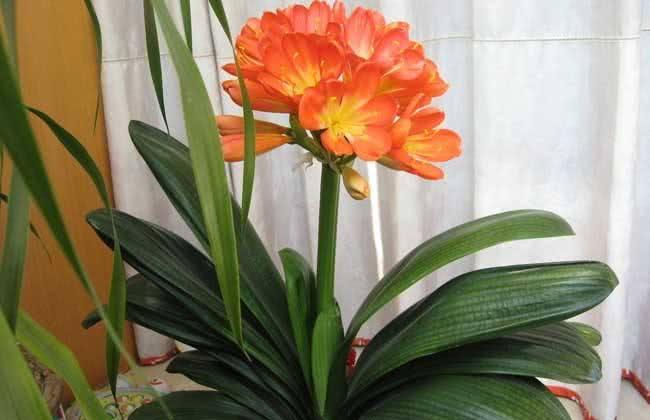
Clivia Root Care Tips: Strong Roots, Green Leaves, and a Vigorous Plant
Clivia has an attractive plant shape and blooms around the Spring Festival. It is a very popular indoor potted flower, and placing it in the home during the Spring Festival is very festive and beautiful. If you want to grow Clivia well, you must first grow its roots well. Only when the roots of Clivia are well grown...
-
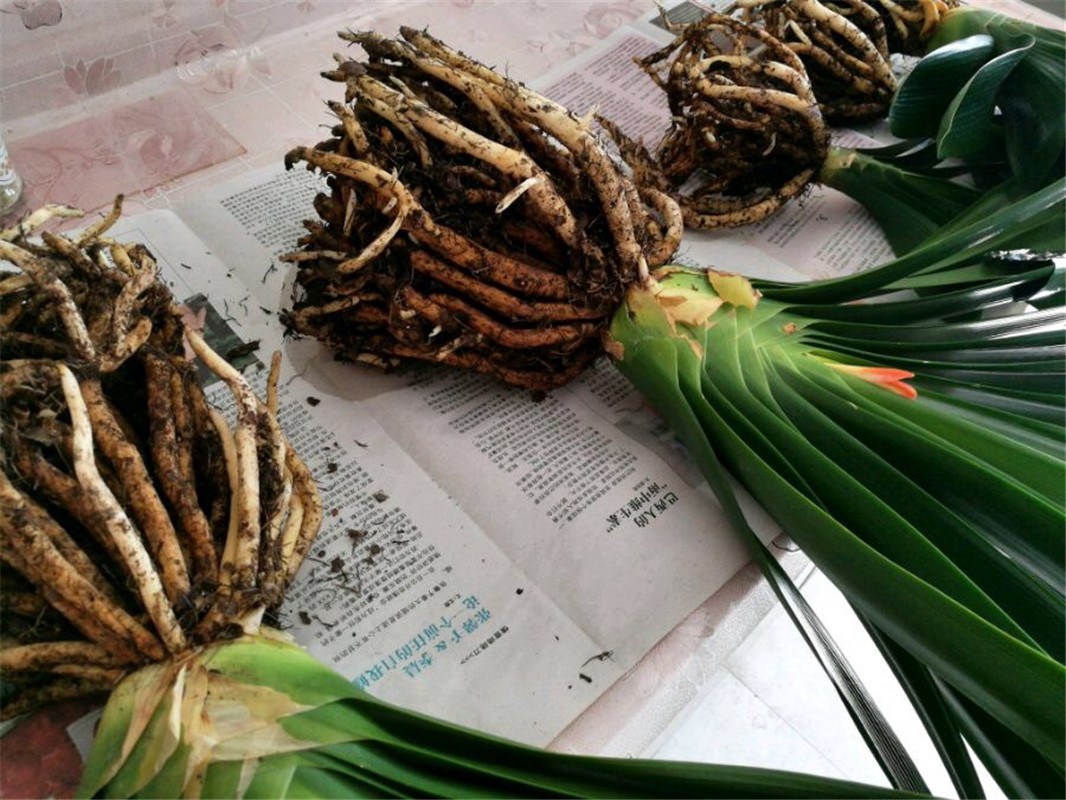
Grasp the key 10 days for growing roots in potted Clivia, and 2 little things will make the roots burst the pot
Recently, a Clivia owner shared with a young gardener the process of repotting their Clivia. Seeing the big white roots of the Clivia in the owner's home was truly enviable. For many flower lovers, the big white roots of Clivia are much prettier than the big white legs on the street...
-
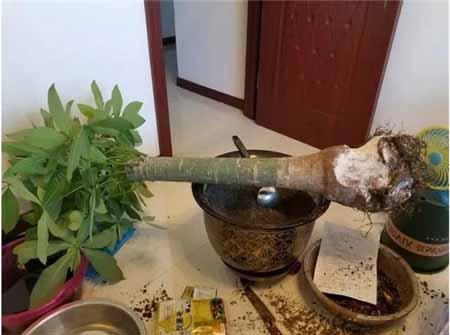
My mother-in-law uses it to grow potted flowers and plants. No matter how many years she grows them, the roots never rot, the flowers keep blooming, and the leaves stay lush and green.
My mother-in-law uses it to grow potted flowers and plants. No matter how many years she grows them, the roots never rot, the flowers keep blooming, and the leaves stay lush and green! Potted plants are mostly grown by the elderly at home, but the pots grown in summer are the most prone to problems, because summer is hot and when watering...
-
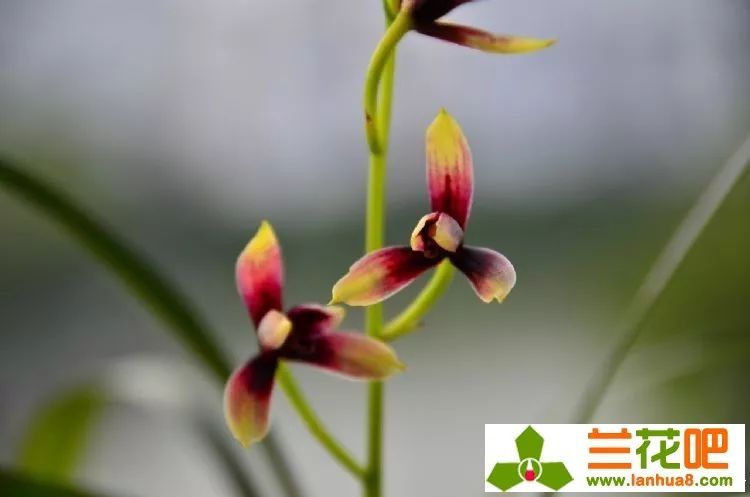
How to Identify Orchid Roots? A Practical Guide to Identification Methods
Promoting Chinese orchid culture, spreading orchid knowledge. The roots of Cymbidium plants are relatively thick and fleshy. Generally, there is no distinction between a main root and branch roots. The internal structure of orchid roots is of the typical monocotyledonous type. Its cortical cells are relatively well developed, with symbiotic...
-
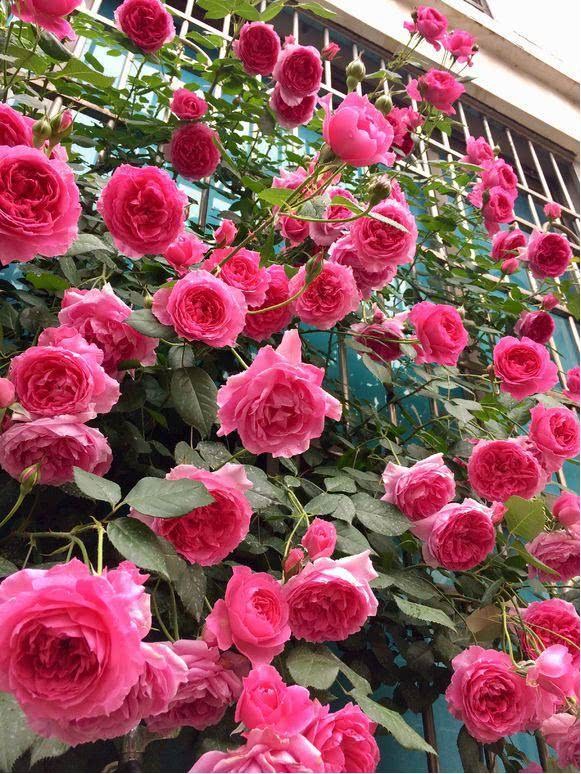
Here comes the detailed tutorial on bud grafting climbing roses onto rose rootstock
Before grafting, you need to be somewhat selective about the rose varieties you graft, though this is not mandatory, just a reference, especially for gardeners doing grafting for the first time, it is best to start with some varieties that have a high grafting success rate...
-
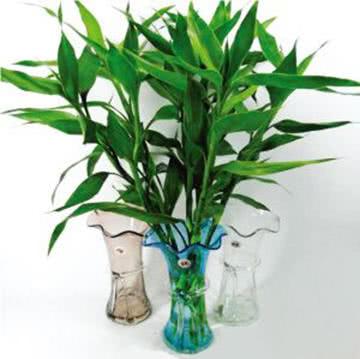
Add a little something to hydroponic lucky bamboo, and you get strong roots, green leaves, no pests, and especially fragrant flowers
Recently, a reader messaged us saying that a newly bought lucky bamboo started showing yellow leaves just a few days after being placed in its growing water, and then some of the roots began to smell rotten. A perfectly good plant just died off like that, and there was nothing wrong with the water or anything else...
-
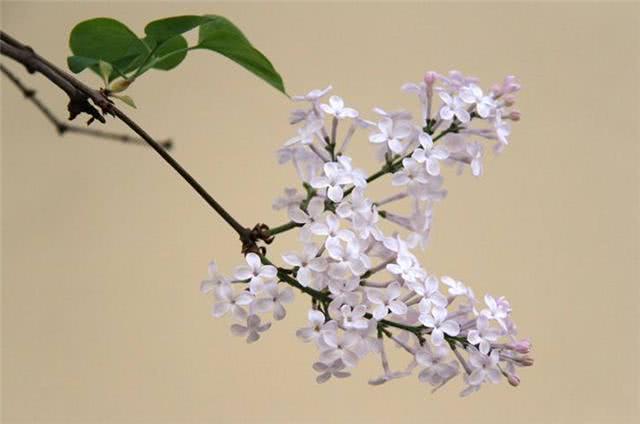
What to Do If Lilac Roots Rot? Causes and Solutions
Fellow gardeners all know that root rot is something many plants go through, and the causes are mostly similar, usually from overwatering or improper fertilizing, mainly because too much fertilizer burns the roots. The refreshingly fragrant lilac is no exception...
-
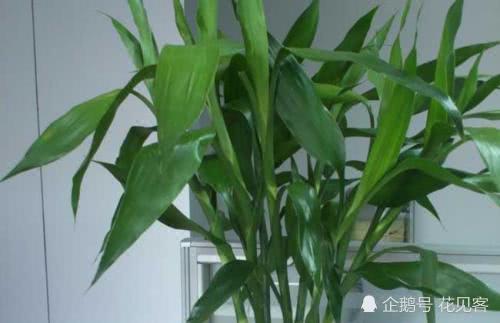
When Lucky Bamboo's roots turn black and its leaf tips dry and yellow in summer, give it these two special drinks
Lucky Bamboo is a green plant that many flower lovers often keep. Its stems and leaves are slender, soft and elegant, full of bamboo charm, carrying the meaning of "flowers bloom in wealth, bamboo brings peace." With the arrival of summer, some flower lovers have noticed that Lucky Bamboo's roots turn black, and...
-
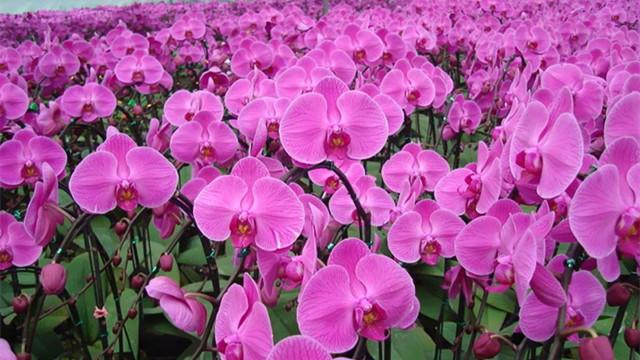
Mix the soil for Phalaenopsis this way, and its roots and leaves will grow fast and strong
Phalaenopsis can be grown in peat soil, coconut coir, and special orchid soil. Peat soil contains substances decomposed from peat moss, sphagnum moss and the like, and has strong water retention and air permeability; coconut coir is the remaining fertilizer after the coconut shell is processed...
-
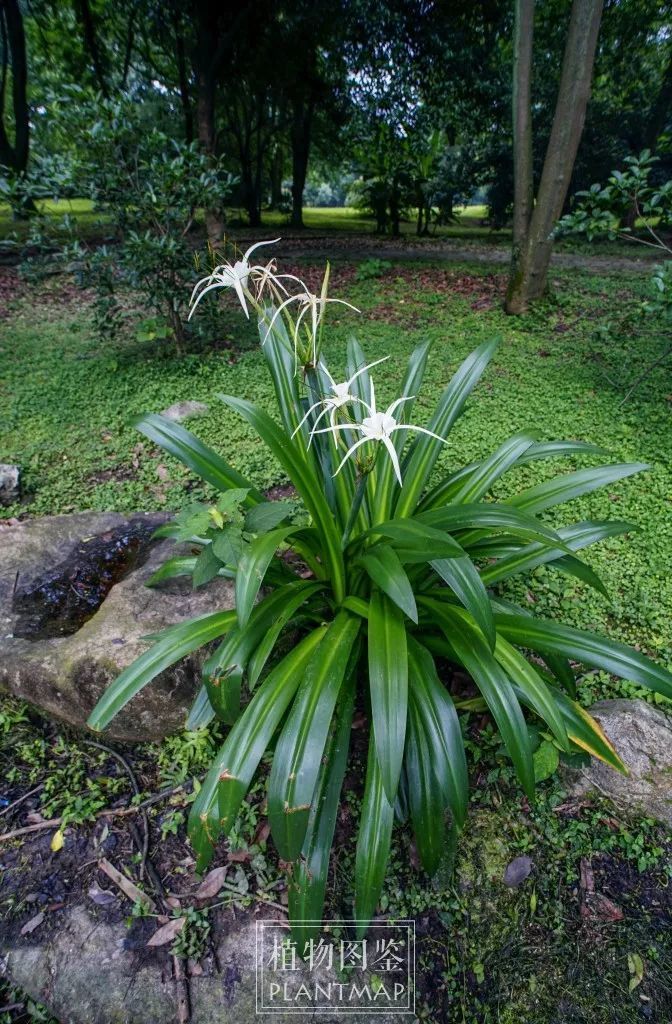
Why are the roots, stems and leaves all sturdy, yet the flowers so slender?
Hymenocallis littoralis is an aquatic-wetland plant, suitable for planting in shallow water, and it also tolerates drought fairly well, so it can be grown on land too. [Hymenocallis littoralis] Amaryllidaceae >> Hymenocallis...
条件筛选