Mix the soil for Phalaenopsis this way, and its roots and leaves will grow fast and strong
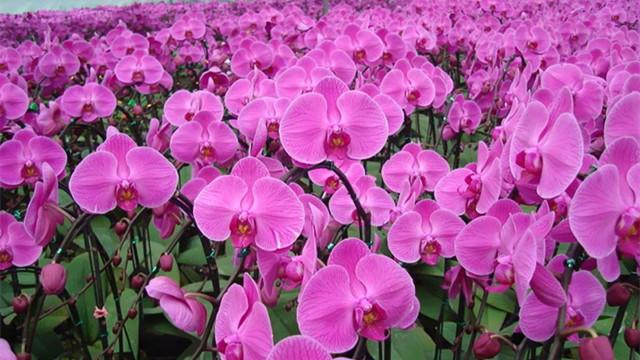
Phalaenopsis can be grown in peat soil, coconut coir, and special orchid soil. Peat soil contains substances decomposed from peat moss, sphagnum moss and the like, and has strong water retention and air permeability; coconut coir is the remaining fertilizer after the coconut shell is processed, and contains fibers and other substances; in addition, beginners can directly buy special orchid soil for growing them, to increase the survival rate.
1. Peat moss
Phalaenopsis is a flower with aerial roots, and needs soil with good water retention as well as good air permeability. Peat soil is formed by the decomposition or decay of substances such as peat moss and sphagnum moss. It has very good water retention and air permeability, and is often used in home growing. However, it is a non-renewable resource, so its substitutes are now commonly used.
2. Coconut coir
Coconut coir is the main substitute for peat soil. It is the fertilizer left after processing coconut shells, mainly containing the fibers of coconut shells, as well as more nutrients, and it has good water retention and air permeability. Because it is the recycling and secondary use of fertilizer, it is beneficial to the environment.
3. Special orchid soil
Through constant experimentation, merchants have their own secret formulas, and it generally has strong air permeability and water retention. This kind of soil is suitable for beginners who have just started growing them, and can save time and increase the survival rate.