-

Canna is a perennial root plant
Canna is a flowering ornamental plant commonly used in subtropical and tropical regions. Because of its large flowers and gorgeous colors, it has become a new favorite for home cultivation. Below is some basic information about Canna, so let us get to know this plant together.
-
Million Bells is a perennial herbaceous plant with persistent roots.
Million Bells (Calibrachoa) is a perennial herbaceous plant with persistent roots, one of the small-flowered petunia varieties, and is also known as "dancing spring flower." In summer, Million Bells can be grown outdoors in most regions of China.
-
Is lily of the valley a perennial root plant? Understanding the plant characteristics of lily of the valley
Lily of the valley is a precious aromatic plant. Its flowers can be used to extract high-grade fragrant essential oil, and its whole plant can be used as medicine. The flowers are pure white and noble, exquisitely elegant, with a rich fragrance, making it an excellent ornamental plant. The fallen flowers of lily of the valley dance in the wind like snow, so the grassland of lily of the valley is also called a silvery white heaven by people.
-
The blue lace flower (Trachymene coerulea) is a perennial herbaceous plant.
Blue lace flower, what a mysterious and charming name. Just like its appearance, hazy yet lovely, as if you were standing in soft, thin mist. And it also has an equally beautiful and wonderful legend.
-
Is Mint a Perennial Root Plant? A Detailed Explanation of Mint's Perennial Habits
Mint is a perennial herbaceous plant with a perennial root system. Its aliases are "wild mint" and "yexixiang," and it also has a local name, "yindancao." Mint is most widely distributed in the temperate regions of the Northern Hemisphere. In China, its cultivation areas are mainly concentrated in Jiangsu and Anhui provinces, but the cultivated area has decreased compared with before.
-
Daylily is a perennial herbaceous plant, also known as the forget-sorrow herb.
The daylily originated in China. After 1930, daylily cultivation spread throughout the world, and the number of varieties has now reached more than ten thousand, making it one of the most important ornamental and cut-flower plants and the category with the largest number of varieties in the lily family.
-
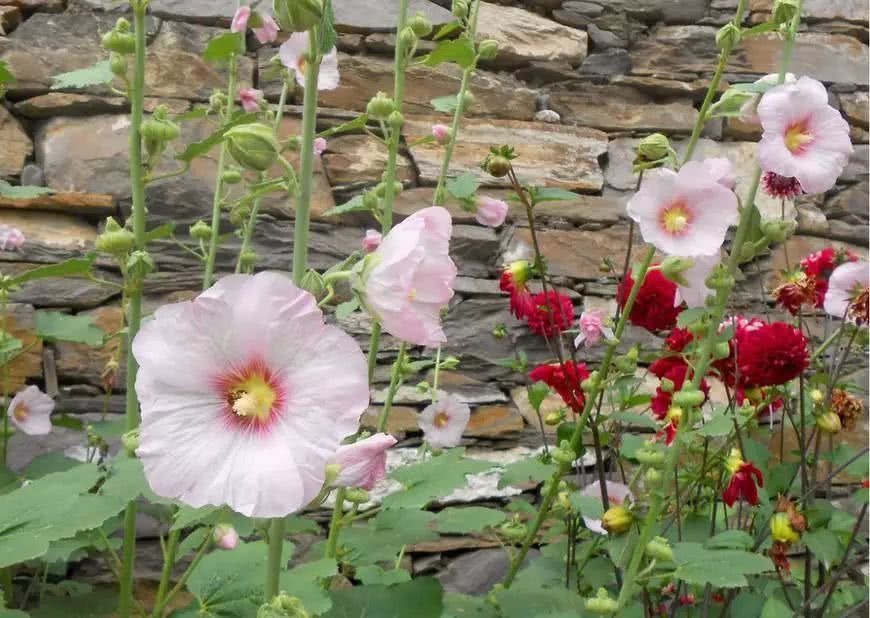
Hollyhock potted planting and care methods: timely root pruning is key
Hollyhock (Alcea rosea) originated in the Sichuan region of China, hence the name "Shukui" (Sichuan mallow). Its flowers are large and brilliant, and it can grow as tall as one zhang, so it is also called "Yizhanghong" (one-zhang red). Its flowering period is from June to August. Today let's take a look at how to grow hollyhock in pots~ Yizhanghong growth...
-
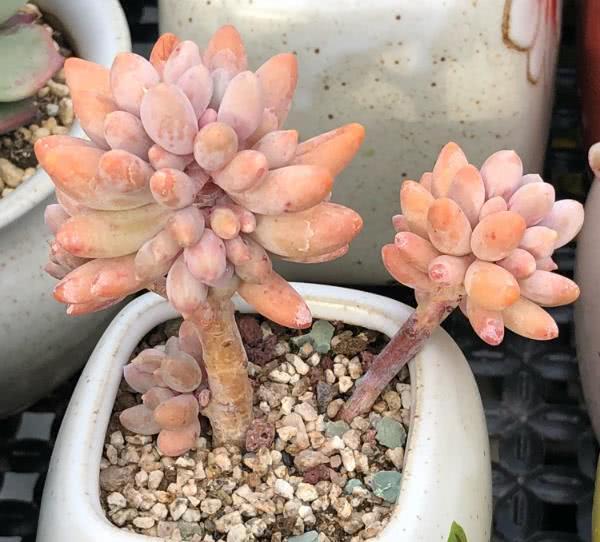
Loosen the soil of succulents regularly; when the roots fill the pot, the leaves will become plump and full.
Soil is the food that succulents grow on, so plant lovers must not be careless. Good soil not only allows succulents to absorb more nutrients, but also lets them breathe more smoothly. So after you plant your succulents, ...
-
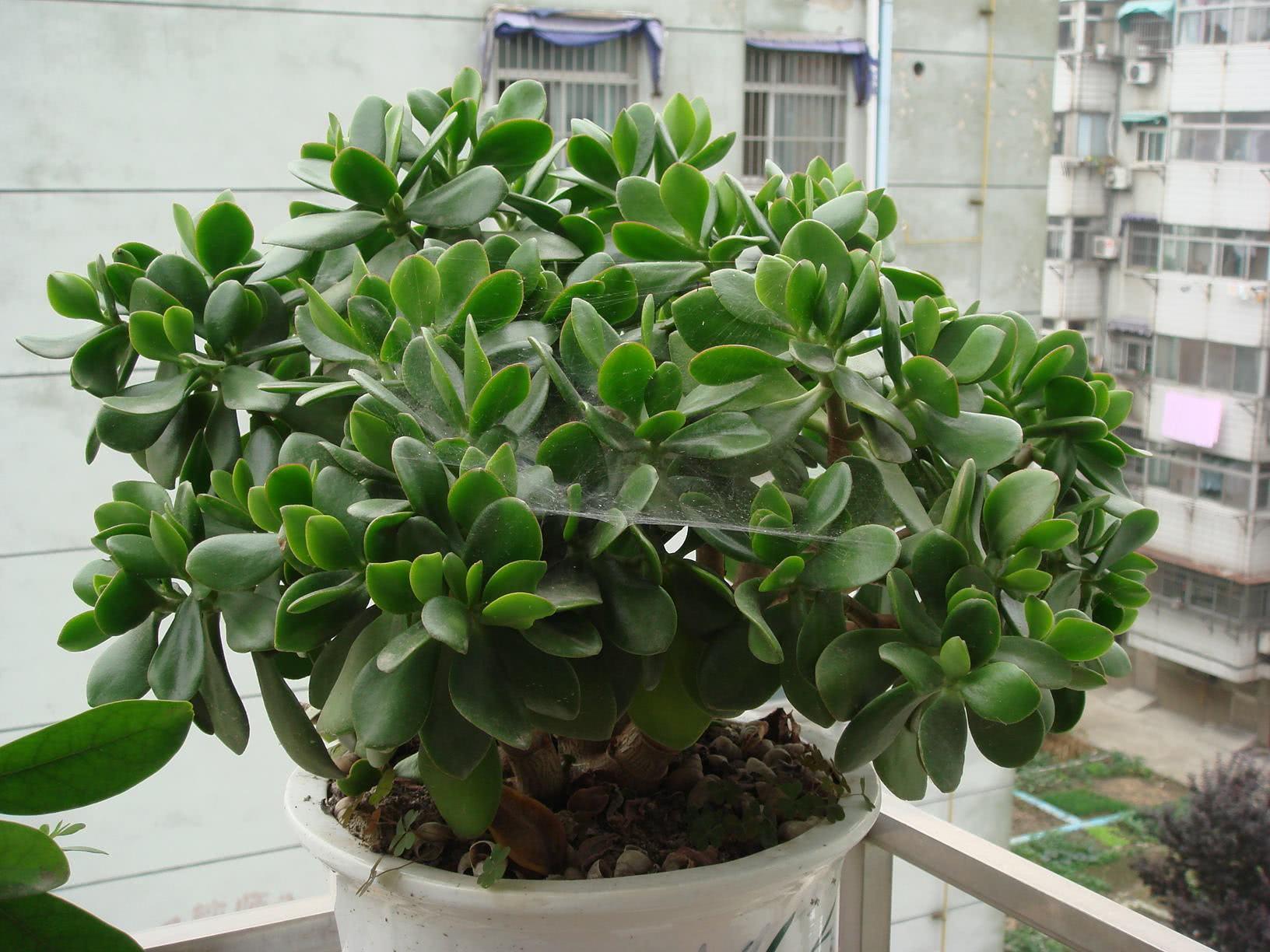
What to Do When a Jade Plant Grows Aerial Roots: A Few Simple Tips to Solve It Easily
The jade plant (Crassula ovata) is a flower that many people love very much. It likes a warm, dry environment with plenty of light, its leaves are rather thick and fleshy, and it stays evergreen all year round. Placing it on a balcony or a south-facing windowsill works very well. But many people, when growing a jade plant...
-
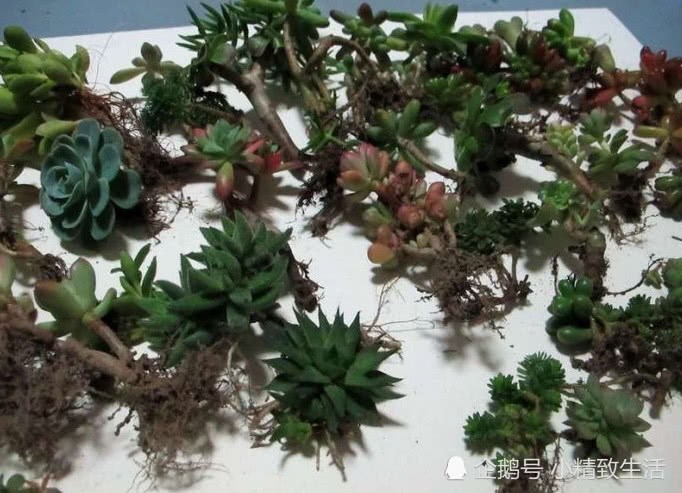
Illustrated Tutorial on the Correct Way to Pot 4 Types of Bare-Root Succulents Bought Online
The internet is so developed nowadays, and online shopping is very convenient. Many friends buy succulents online and plant them at home. Indeed, online succulents come in complete varieties and are cheap, and Xiaojingzhi Life also often buys succulents online, but...
条件筛选