Loosen the soil of succulents regularly; when the roots fill the pot, the leaves will become plump and full.
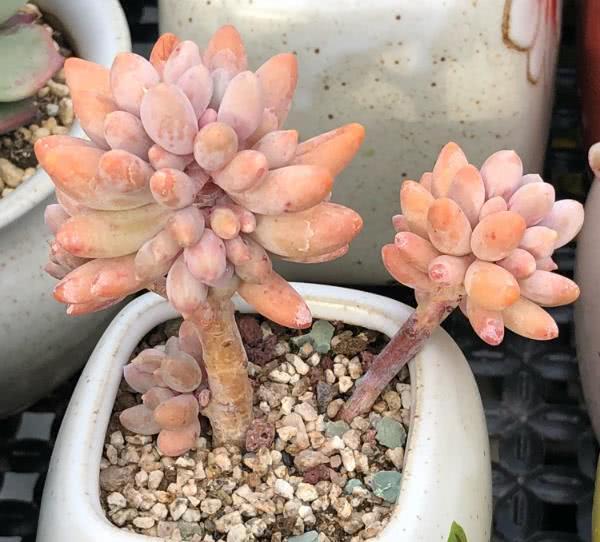
Soil is the food that succulents grow on, so plant lovers must not be careless. Good soil not only allows succulents to absorb more nutrients, but also lets them breathe more smoothly. So after you plant your succulents, do you still need to loosen the soil for them? Those who are not sure can read on.
For succulents, loosening the soil is not applicable and not necessary; repotting is the best solution. There are also situations where loosening the soil is needed, such as with the muddy soil below, but most normal people would still choose to change the soil. If you do loosen the soil, just loosen the surface a little so the soil does not become compacted; you can also consider poking it with chopsticks to increase air permeability. As for the timing of loosening the soil, do not choose the scorching summer, since summer is a time when problems easily occur; if the roots are damaged, anything can happen.
When loosening the soil for succulents, you must grasp the right timing. The roots of cultivated succulents can easily become trapped in the pot, and over time the roots fill the pot and cannot fully absorb the soil nutrients. Moreover, the soil in a pot is also limited; constant watering and washing plus the continuous absorption by the roots will make the nutrients it contains fewer and fewer, and the soil itself will change from its original granular form into powder. You can loosen the soil for your succulents every six months, and if necessary, you can also repot and change the soil.
An important requirement for succulent soil is air permeability. When succulents reach their peak growing season, you can appropriately turn over the surface soil of the plants, but be careful not to damage the roots during the operation. Of course, if your growing medium contains enough granules, reaching 60% to 70%, then not loosening the soil is also fine. In normal succulent soil mixes, compaction is hard to occur; after long periods of planting, air permeability will decrease, but it is not caused by the soil, but by the various tangled roots that have filled it.
Why does succulent soil become compacted? When we apply excessive nitrogen fertilizer to the soil, for every one part increase in the nitrogen supply to microorganisms, the corresponding carbon consumption increases by 25 parts. The consumed carbon comes from soil organic matter. When organic matter content is low, it affects the activity of microorganisms, thereby affecting the formation of soil aggregates and leading to soil compaction. When excessive potassium fertilizer is applied to the soil, the potassium ions in the fertilizer have particularly strong replacing power and can replace the multivalent cations that form soil aggregates. Monovalent potassium ions do not have a bridging effect, so the bridges of the soil aggregates are destroyed, which also destroys the aggregate structure and causes soil compaction.
At home, you can place a plastic bucket to collect plain melon seed shells, peanut shells, walnut shells, chestnut shells, eggshells, Chinese herbal medicine residue, rotten vegetable stems and leaves, etc., and after fermenting them with soil, they can be used for growing flowers. After this mix changes the soil structure, it is less likely to become compacted and has a sustained, long-lasting fertilizing effect.
This is a gathering place for succulent enthusiasts, sharing succulent care tips; you are welcome to follow and exchange ideas.