-
-
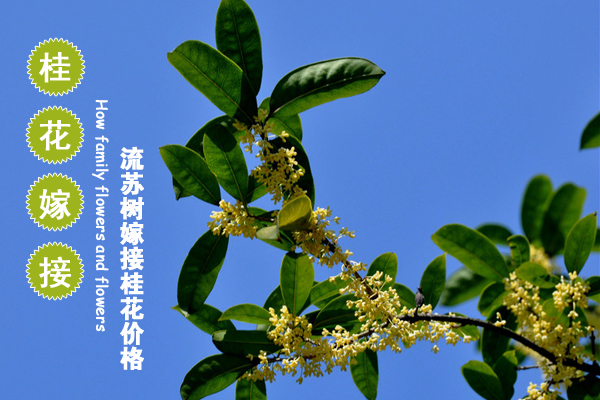
What tree is best used as a rootstock for grafting osmanthus?
What trees can osmanthus be grafted onto? The rootstocks that can be used for grafting osmanthus include small-leaf privet (Ligustrum quihoui), large-leaf privet (Ligustrum lucidum), water wax (Ligustrum obtusifolium), white wax (Fraxinus chinensis), and osmanthus seedlings grown from seed or cuttings. (1) Small-leaf privet: a deciduous or semi-evergreen shrub, 2-3 m tall, with spreading branches and twigs bearing short pubescence
-
Appreciation of Taxus Root Carving Pictures and Price Trends
Appreciation of Taxus Root Carving Pictures: How Much Do Taxus Root Carvings Cost?
-
What are the effects and benefits of raw licorice root
The effects and benefits of raw licorice root
-

What to Do When Plant Roots Rot? Teach You the Correct Way to Handle It
What to do when plant roots rot? There are many causes of root rot in flowering plants, mainly: (1) Heavy, sticky potting soil: the soil easily becomes compacted, the surface of the potting soil dries out and turns white, but the inside of the potting soil has not dried through. It looks like the plant lacks water, but watering at this point easily makes the soil too wet, causing poor root growth or even root rot.
-

What to do about root rot in clivia? A few steps to solve it
What to do about root rot in clivia: a few steps to solve clivia root rot
-

How to Deal with Root Rot in Sago Palm? Detailed Analysis of Causes and Treatment Methods
How to deal with root rot in sago palm? A bare-root sago palm was purchased and after 2 months of planting and care, the leaves withered and the roots rotted. Sago palm root rot is mainly caused by the following reasons. First, because the sago palm was bare-rooted and transported from the south to the north without the necessary wind protection and cold protection measures, its root system was severely damaged and could no longer provide water to the plant.
-
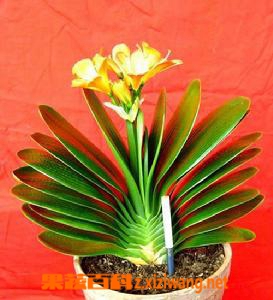
How to Handle Root Rot in Clivia? Teach You the Correct Remedies
How to handle root rot in clivia. Clivia is a fleshy-rooted plant; if environmental conditions are poor or care is improper, root rot is often caused. Generally, during the seedling stage, rot often starts below the leaf base, while mature plants rot from the middle of the root downward. There are many causes of clivia root rot, mainly: ① Improper fertilization
-
What are the methods for preventing root rot and bud drop in tree peonies?
What should you do about root rot and bud drop in tree peonies? To prevent root rot and bud drop in tree peonies, the following methods can be used: (1) Water and fertilize at the right time and in the right amounts. Since tree peonies have fleshy roots and are prone to waterlogging, they should not be watered too often, and especially should not be given heavy watering; they are particularly susceptible to standing water, which otherwise easily causes root rot and leaf drop. Proper watering should follow the principle of watering when dry and stopping when moist
-

Morphological Characteristics and Benefits of Kudzu Root Explained
[Kudzu Root]Morphological Characteristics and Benefits of Kudzu Root
条件筛选