What are the effects and uses of reed root?
Reeds grow along rivers, lakes and marshes, on the banks of ponds and ditches, and in low-lying wet areas. They are among the most widely distributed plants in the world. Next, let us take a look at the effects of reed root.
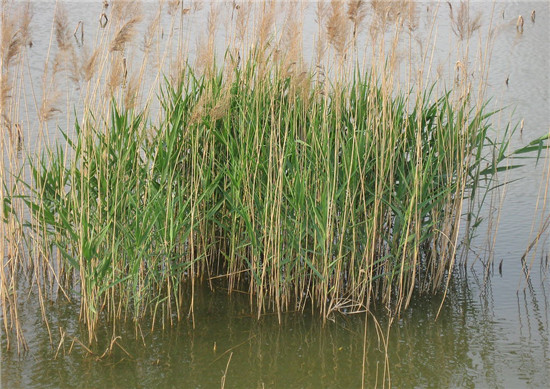
Reed, of the genus Phragmites, class Monocotyledoneae, also known as class Liliopsida. Genus Phragmites. It grows beside irrigation ditches, on riverbanks, in marshy land and other low-lying wet areas or in shallow water. It prefers warm, moist and sunny humid environments. It has strong adaptability and is cold-resistant and drought-resistant. Fertile, moist loam soil is suitable. Reed leaves, reed flowers, reed stems, reed root and reed shoots can all be used as medicine.
Uses of reed:
1. Practical value: Reed stems contain cellulose and can be used for making paper and artificial fibers. In ancient times, reeds were used to weave "reed mats" for sleeping platforms, roofing houses or building temporary structures. The hollow stems of reeds can be made into a musical instrument - the reed flute; the thin membrane inside the reed stem is used as the flute membrane of a flute; reed ears can be made into brooms, and the catkins can be used to stuff pillows.
2. Landscape value: Planted by the lakeside in parks, it is especially beautiful during the flowering season. In parks in European countries, the elegant figure of reeds can often be seen. The newest varieties of reeds have been bred. They grow quickly. They are the first choice for scenic tourism, water surface greening, river channel management, water quality purification, marshy wetlands, landscaping projects, soil protection and embankment stabilization, and soil improvement.
3. Livestock value: Reed leaves, reed flowers, reed stems, reed root and reed shoots can all be used as medicine and are good forage grass, with high feeding value. The tender stems and leaves are favored by various livestock. Most are used as grazing land, and some are used as cutting grassland or grazing land. Besides grazing use, they can be dried into hay and silage. After silaging, the grass is green in color and strong in fragrance; sheep like to eat it very much, and cattle and horses also like to eat it.

4. Medicinal value: The rhizome is called reed root. In traditional Chinese medicine it is used as medicine; it is cold in nature and sweet in taste, and is suitable for clearing stomach fire, removing lung heat, strengthening the stomach, stopping vomiting and promoting urination. Reed stems and reed root are especially important medicines in traditional Chinese medicine for treating warm diseases; they can clear heat and promote fluid production, and relieve restlessness and stop vomiting.
The effects of reed root
Reed root is sweet and cold in nature and flavor, and can treat cough due to lung heat and lung abscess with vomiting of pus: reed root enters the lung meridian and is good at clearing and venting lung heat. Reed root can also treat feverish diseases with restlessness and thirst. Reed root treats painful strangury due to heat, clears heat and promotes urination, and can be used to treat painful strangury due to heat and scanty dark urine, often combined with white cogongrass rhizome, plantain seed, and the like. On the electroencephalogram of domestic rabbits, increased amplitude and reduced frequency appeared, showing an inhibitory phenomenon on the function of the central nervous system.
Reed root can inhibit the contraction response caused by electrical stimulation in frog neuromuscular specimens and the oxygen uptake and anaerobic glycolysis of rat diaphragm, and can inhibit the reaction of the actin-adenosine triphosphate system. It also has a relatively weak central inhibitory effect, manifested as a sedative effect on both rats and mice, and can antagonize caffeine.

Reed root has the effects of clearing heat and promoting fluid production, relieving restlessness, stopping vomiting and promoting urination. It mainly treats feverish diseases with restlessness and thirst, vomiting due to stomach heat, cough due to lung heat, lung abscess with vomiting of pus, and painful strangury due to heat. It can also clear while also venting wind-heat, and can be used to treat cough due to wind-heat, often combined with mulberry leaf, chrysanthemum, platycodon root and other medicines to dispel wind and clear heat, and to diffuse the lung and stop cough. It can clear heat and harmonize the stomach to stop vomiting, while not being greasy and obstructing the stomach, so it is an important medicine for treating vomiting and retching due to stomach heat. For mild cases, it can be used alone; for severe cases, it is often combined with bamboo shavings, ginger, polished round-grained rice and the like to enhance the effects of clearing heat, directing qi downward, harmonizing the middle and stopping vomiting.
The effects and functions of reed root in treating bad breath
Reed root is cool in nature and can clear heat and remove fire. Reed root has an obvious effect on bad breath due to deficient fire. Reed root can be combined with raw rehmannia and licorice. Reed root can make the decocted medicinal juice taste good and has an enhanced effect.
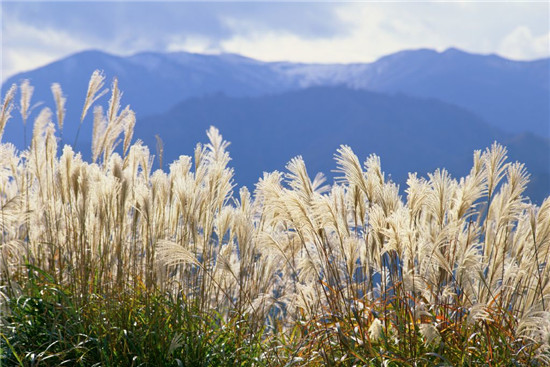
The effects and functions of reed root in fighting cancer
In recent years, because it was discovered that asparagine in reed root can effectively inhibit the growth and spread of cancer cells and can normalize cell growth, the value of reed root has increased greatly.
The effects and functions of reed root in cough due to lung heat and lung abscess with vomiting of pus
Reed root clears and drains lung heat and can also promote urination, and can guide heat toxin out through urine, so reed root can treat cough with thick phlegm due to lung heat and lung abscess with coughing and spitting of pus and blood.
The above is the complete content of the effects of reed root and the uses of reed root that I have summarized for everyone. I hope this article can help everyone. Please also continue to follow us.