Use 4 kinds of foraged "trash" as fertilizer for growing flowers: permeable, airy, and no root rot
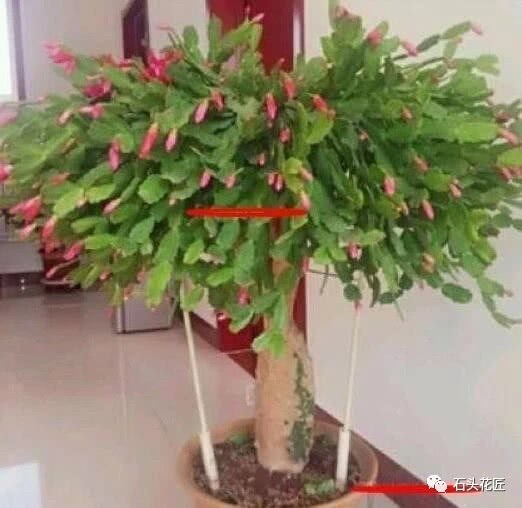
As people's living standards rise and living conditions improve, more and more people like to keep some flowers and plants at home; they not only beautify the home but also purify indoor air, especially for some friends who are particularly fond of growing flowers, who always keep all kinds of green potted plants at home and grow them very vigorously and robustly. Of course, some flower lovers are very fond of growing flowers but always fail at it. In fact, growing flowers is also a field of knowledge; to grow flowers well, you first have to understand them, and you also have to learn and accumulate some small experiences and tips about growing flowers.
In fact, many small experiences and tips about growing flowers come from daily life, especially now that the internet is so developed; many flower lovers share their flower-growing experience from daily life, and everyone can learn from each other. What I'm sharing with you today is 4 kinds of common "trash" from daily life that, after processing and fermentation, can be used as fertilizer for growing flowers, so the plants won't get root rot when grown with it, and it also supplies nutrients for plant growth. So the theme I'm sharing with you today is:
4 kinds of foraged trash turned into "soil" fertilizer: no root rot when growing flowers, permeable and airy
I've seen many flower lovers share their flower-growing experience, and in fact the most crucial thing is the choice of soil and the choice of fertilizer during the process of growing flowers, especially when potting up flowers, the choice of soil is very important. Because the soil you choose determines the growing environment of the plant's root system; flowers like Clivia (Clivia miniata), orchids, and Christmas cactus (Schlumbergera) all like to grow in permeable, airy, fertile soil. If you choose soil that compacts easily, the plant will not only grow slowly, but may even die, so choosing soil when growing flowers is crucial. Shitou has also exchanged ideas with some expert flower growers; when growing flowers, the soil they choose is fermented and blended by themselves. So today Shitou shares 4 kinds of common growing media: peanut shells, pine cones, leaf mold, and eggshells. After fermentation and processing, they are excellent for growing flowers; they are not only loose and airy, but also rich in nutrients, so growing flowers with them won't cause root rot, and the plants will grow robust and dense.
Peanut shells and eggs are common household waste; many households throw away peanut shells and eggshells as trash. In fact, peanut shells and eggshells are rich in nitrogen, potassium, and calcium, all essential nutrients for plant growth. Pine cones are the fruits of pine trees often seen in parks or woods; they are rich in rosin and pine oil, and using them for growing flowers not only provides rich nutrients but also sterilizes and disinfects. Leaf mold is the soil obtained under trees after fallen leaves accumulate and undergo natural fermentation. Mixing these four growing media for fermentation and then using them to grow flowers works very well. Below I share the specific method of making it:
Peanut shells
It is autumn now, which is also the peanut harvest season, so you can buy some peanuts, cook them in a pot without any seasoning, give the peanut kernels to your family to eat, and keep the peanut shells to ferment into fertilizer.
Eggshells
Eggshells are rich in calcium and other trace elements and are a good fertilizer for growing flowers. Generally, eggshells from home can be collected, and after drying, they can be buried directly in flower pots or mixed and fermented with other materials to make soil for growing flowers.
Pine cones
Pine cones are very common in daily life, especially now that some pine trees are often planted in green belts, with many pine cones hanging on the trees; you can pick the pine cones and bring them back to ferment into fertilizer. They are not only rich in nutrients, but the pine oil and rosin in pine cones have a sterilizing and disinfecting effect, so using them for growing flowers can prevent the plant's root system from rotting.
Leaf mold
Leaf mold is generally the organic matter obtained after plant leaves fall under trees and undergo years of natural fermentation and decomposition; using it for growing flowers is not only loose and airy, but also nutrient-rich.
After mixing and fermenting these four growing media, the resulting mixed fertilizer works even better for growing flowers. Generally choose 2 parts peanut shells, 1 part eggshells, 2 parts pine cones, and 4 parts leaf mold. Before mixing, you need to crush the eggshells and cut the pine cones into smaller pieces; after fully mixing them with the peanut shells and leaf mold, put them into a breathable bag and make sure the mixed growing medium is in a moist state, which helps rapid fermentation later.
Place the filled bag in a cool, shaded spot outdoors; after three weeks it will be fully fermented. This kind of soil fertilizer can be used to grow Clivia (Clivia miniata), Christmas cactus (Schlumbergera), spider plant (Chlorophytum comosum), asparagus fern (Asparagus setaceus), and so on. It not only contains rich trace elements such as nitrogen, phosphorus, potassium, and calcium, but also has sterilizing and antibacterial effects. Generally, you can directly choose this kind of soil to grow some plants that like fertilizer; you won't need to fertilize for a year, and the plants won't develop root rot.
If you like this, hurry up and try it yourself. In fact, the process of growing flowers is also a process of constantly accumulating experience and discovering some little tricks, and it is also a very interesting thing.
That's all for today's sharing. See you next time.