-
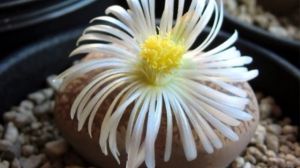
What to Do When a Living Stone (Lithops) Has Root Rot? A Few Remedies to Teach You
To solve the problem of root rot in a living stone (Lithops), first dig it out of the potting soil, cut off the rotted parts with scissors, leave it in a ventilated place to dry, and once the wound has healed, insert it into the soil. Before it grows roots, do not let it be exposed to strong light; shade it appropriately and ensure good ventilation.
-

What to Do About Root Rot in Wintersweet? Cause Analysis and Treatment Methods
There are many causes of root rot in wintersweet: if it is caused by excessive watering, then water it in moderation. If it is caused by too much fertilizer, then fertilize in moderation and do not apply concentrated fertilizer. If it is caused by low temperatures, then adjust the temperature appropriately. If the roots have already rotted, promptly take it out of the potting soil, cut off the rotted parts and disinfect them, then replant it.
-
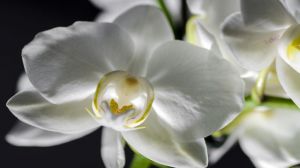
How to deal with root rot in white magnolia? These rescue methods you need to master
There are many causes of root rot in white magnolia: if it is caused by overwatering, then you need to control the watering frequency and the amount of water. If it is caused by too much fertilizer, then increase the amount of water so the excess fertilizer drains out, and usually fertilize in moderation, with small amounts applied frequently. When you find root rot, take it out, trim off the rotten parts, and replant it.
-
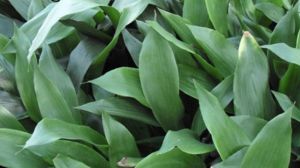
What to Do If a Cast Iron Plant (Aspidistra elatior) Has Root Rot? Causes and Solutions Here
There are many causes of root rot in the cast iron plant (Aspidistra elatior): if it is caused by poorly aerated potting soil, then replace it with well-aerated potting soil. If it is caused by too much watering, then reduce the amount of watering and make sure no waterlogging occurs. If it is caused by low temperatures, then appropriately increase the growing temperature. If it is caused by too much fertilizer, then control the amount of fertilizer applied.
-

What causes root rot in cherry blossoms?
There are many causes of root rot in cherry blossoms: if it is caused by overwatering, then control the amount of water given, and it is best to water thoroughly each time. If it is caused by poor drainage of the potting soil, then switch to a flower pot with holes and soil with good drainage. If it is caused by fertilizer that is too concentrated, then give it low-concentration fertilizer, and fertilize just twice a year.
-

What to Do If Winter Jasmine Has Root Rot? Detailed Guide to the Correct Treatment
There are many causes of root rot in winter jasmine (Jasminum nudiflorum): if it is caused by overwatering, place it in a well-ventilated spot and keep the amount of water under control going forward. If it is caused by not changing the soil for a long time, then replace it with clean soil. If it is caused by a disease, then spray a dedicated fungicide for prevention and control, ensure proper ventilation, and boost its disease resistance.
-
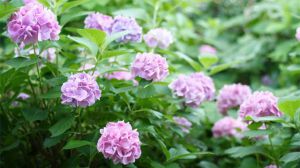
What to Do If a Hydrangea Has Root Rot? Here's the Correct Way to Save It
There are many causes of root rot in hydrangeas: if it is caused by poor soil drainage, replace the soil promptly with one that drains well. If it is caused by overwatering, reduce the amount of water and water it scientifically and reasonably. If it is caused by too much fertilizer, fertilize in moderation and do not apply too much.
-
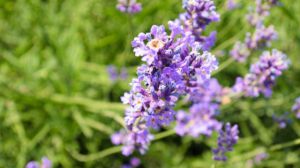
What to Do About Root Rot in Lavender? Causes and Solutions
There are many causes of root rot in lavender: if it is caused by poor soil drainage, then replace it with soil that drains and breathes well. If it is caused by frequent watering or too much water, then reduce the amount of watering and follow the principle of watering when dry and letting it dry out between waterings. If it is caused by improper fertilizing, then fertilize on schedule and do not apply too much. If it is caused by low temperatures, then adjust the temperature appropriately.
-

What to Do About Root Rot in Baby's Breath? Cause Analysis and Remedies
There are many causes of root rot in baby's breath: if it is caused by overwatering, take drainage measures promptly and reduce the amount of watering. If it is caused by poor soil aeration, replace it with suitable soil, preferably loose soil with good drainage and aeration. If it is caused by pests, promptly spray with an insecticide to kill the pests.
-

What to Do If Your Kalanchoe Has Root Rot? Here's the Correct Way to Handle It
To solve the problem of root rot in kalanchoe, first take it out of the potting soil, clean off the dirt, use scissors to cut away the rotted roots, disinfect the cut surfaces on the roots, and place it in a ventilated spot. Then cut off the flower buds to avoid draining nutrients, and grow it in water. Once new roots have grown, put it back into potting soil for care.
条件筛选