What to Do If a Hydrangea Has Root Rot? Here's the Correct Way to Save It
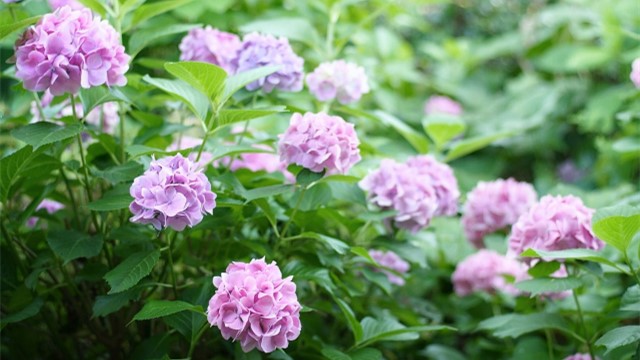
1. Replace the Soil
Cause: Hydrangeas like to grow in acidic soil with good drainage. If the soil they are planted in is alkaline and drains poorly, it very easily leads to poor growth and even root rot.
Solution: Replace the soil promptly with an acidic soil that drains well; soil rich in humus is best, and suitable soil helps it grow even better.
2. Water in Moderation
Cause: When overwatered during routine care, a large amount of water accumulates in the potting soil and cannot drain away. Once water accumulates, the roots of the hydrangea cannot breathe normally, which leads to root rot.
Solution: At this point, be sure to reduce the amount of water and water scientifically and reasonably. Before watering, check the color of the potting soil; if it has become lighter or cracks have appeared, water it appropriately. It is best to water thoroughly rather than only watering half of the potting soil.
3. Fertilize Reasonably
Cause: Reasonable fertilization helps it grow better, but if too much fertilizer is applied, it will scorch the roots of the hydrangea and cause the roots to rot.
Solution: Fertilize in moderation and do not apply too much. During its growing period, give it plenty of nutrients; fertilizing about once every 15 days is enough to help the hydrangea grow better, and the flowers will bloom larger too. After root rot occurs, cut off the rotten parts, then disinfect them and repot the plant.