What to Do About Root Rot in Wintersweet? Cause Analysis and Treatment Methods
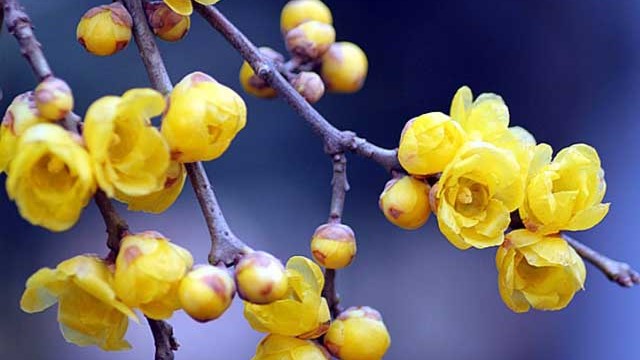
I. Prevention Methods
1. Water in Moderation
Cause: Wintersweet is rather afraid of waterlogging, so once it is overwatered, it cannot absorb the water and root rot occurs. Soil that is too moist or that has standing water will not only affect its growth but also cause the roots to rot.
Solution: Water it in moderation at ordinary times. When the potting soil is moist, there is no need to water. It is best to keep the potting soil slightly dry. When watering, be sure to water thoroughly. When the temperature is higher, you can water a little more appropriately. In addition, during the rainy season, take timely and appropriate drainage measures.
2. Fertilize Reasonably
Cause: Excessive fertilization or fertilizer that is too concentrated will cause root burn and leaf drop, and will also seriously affect its normal growth.
Solution: Fertilize in moderation. It is not suitable to apply concentrated fertilizer to it. Under normal circumstances, apply phosphorus and potassium fertilizer to it, and apply nitrogen fertilizer sparingly. Moderate fertilization can help it grow better and also helps it bloom.
3. Adjust the Temperature
Cause: If the temperature of the growing environment is relatively low, its growth will slow down, and its ability to absorb water and nutrients will also weaken, so it will suffer root rot due to standing water or fertilizer damage.
Solution: Adjust the temperature appropriately. The temperature should preferably not be lower than -15°C. If the outdoor temperature is relatively low, keep it indoors for care in winter.
II. Rescue Methods
After root rot occurs, promptly take it out of the potting soil, clean off all the soil, then use scissors to cut off the rotted parts, and soak it in potassium permanganate to disinfect it, so as to avoid a secondary infection. Prepare suitable soil and replant it.