-

How long does the transmission of porcine reproductive and respiratory syndrome virus persist?
The porcine reproductive and respiratory syndrome (PRRS) virus has an enormous impact on the economic benefits of the global pig industry. This disease increases mortality and reduces pig production performance and growth rate, and increases the cost of vaccines and medications. Although many prevention and control measures have been proposed, their effectiveness after implementation still varies, so these measures are not suitable for some pig farms. The PRRS virus has long-lasting infectious pathogenicity and can spread both horizontally and vertically. Fetuses in the uterus and pre-weaning piglets are infected by this virus late, and it can spread throughout the entire piglet barn through virus-contaminated bedding.
-
Prevention and Treatment Methods for Toxic Water Syndrome in Fish Ponds
Dissolved Oxygen Exceeding Standards "Toxic Water Syndrome" 1. Harm and symptoms. When too much unfermented fertilizer is applied to a water body, the raw fertilizer decomposes at the bottom of the pond into very fine small bubbles of methane and hydrogen sulfide, which fry mistake for food and swallow. The main symptoms are: many small bubbles adhere to the fish gills, causing the fish body to float up or swim off balance. There are white bubbles in the fish intestines, or more bubbles attach to the fish body surface, fin rays and gill filaments, and the fish body floats on the water surface and cannot sink down; in severe cases it can cause fish to die in batches. 2. Prevention
-
The previous batch of pigs had blue ear disease (porcine reproductive and respiratory syndrome). How should the pen be disinfected?
1. Cleaning and washing. Remove all contaminants and bedding from the pen, and sweep down the dust from the ceiling as well. Then pile it all together to ferment. Then rinse thoroughly with clean water. 2. Disinfection of the floor and walls. For the floor, use caustic soda or sodium hydroxide. For the walls, spray with iodine-based or chlorine-based preparations. 3. For metal equipment that is not afraid of heat but is afraid of corrosion: use a blowtorch (alcohol blowtorch, kerosene blowtorch). 4. For enclosed pens: fumigation. Peracetic acid, formaldehyde, or potassium permanganate can all be used. After sealing for 2 hours, ventilate for 7-10 days. Basically it takes half a month.
-
Characteristics and Cultivation Techniques of Smooth Brome
Smooth brome, also called awnless brome or awnless grass, is currently the most widely cultivated bromegrass forage in China. It is a perennial herbaceous plant with upright stems and a well-developed root system. Its notable features are: it has short rhizomes and closed leaf sheaths. This is the main characteristic that distinguishes it from many other forage grasses. Smooth brome is particularly suited to cold, dry climates and is not suited to high-temperature, high-humidity areas; its optimum growth temperature is 14-25°C. Its cold resistance is extremely strong; it can still grow normally in places where winter temperatures drop to -30°C, and under snow cover in Northeast China it can withstand low temperatures of -4
-
What kind of grass is California brome? Characteristics and traits introduction
California brome is a perennial, bunch-type forage grass with broad and long leaves that are gray-green and a high leaf-to-stem ratio. Its biggest morphological difference from smooth brome is that it has no underground rhizomes. California brome has similar soil requirements to smooth brome, and its cold resistance is slightly worse than that of smooth brome, but its heat resistance is clearly higher than that of smooth brome, and most varieties can be used for 6-8 years. California brome has a high leaf-to-stem ratio, and its forage quality is better than that of smooth brome, while its yield is similar to that of smooth brome. California brome is suitable in eastern China
-
How to diagnose and treat chicken intestinal toxin syndrome? A detailed guide to practical methods
1. Main manifestations of chicken intestinal toxin syndrome. Decreased feed intake, slowed weight gain or weight loss. Loose, unformed feces, with undigested feed in the droppings, color turning light yellow, yellowish-white, or fish-intestine-like droppings, carrot-like droppings. A marked increase in sudden deaths before dawn, or restlessness and agitation followed by limpness and death from exhaustion. Mostly occurs around 40 days of age. It is widespread in broiler flocks whether raised on floor litter or in cages, causing huge hidden economic losses, and is often overlooked by farmers and veterinary workers
-
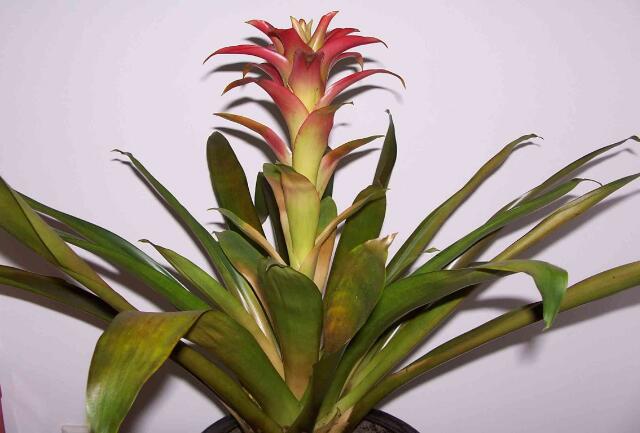
What to Do When Bromeliad Leaves Turn Yellow? 6 Solutions for Too Much Fertilizer and Too Little Light
Bromeliads, with their neat plant shape and brilliant flower colors, are excellent for indoor cultivation and are deeply loved by flower enthusiasts. However, during cultivation, due to improper care and other reasons, bromeliads may develop various symptoms, such as yellowing leaves. So what should you do when bromeliad leaves turn yellow? First, stay calm, then find the cause.
-
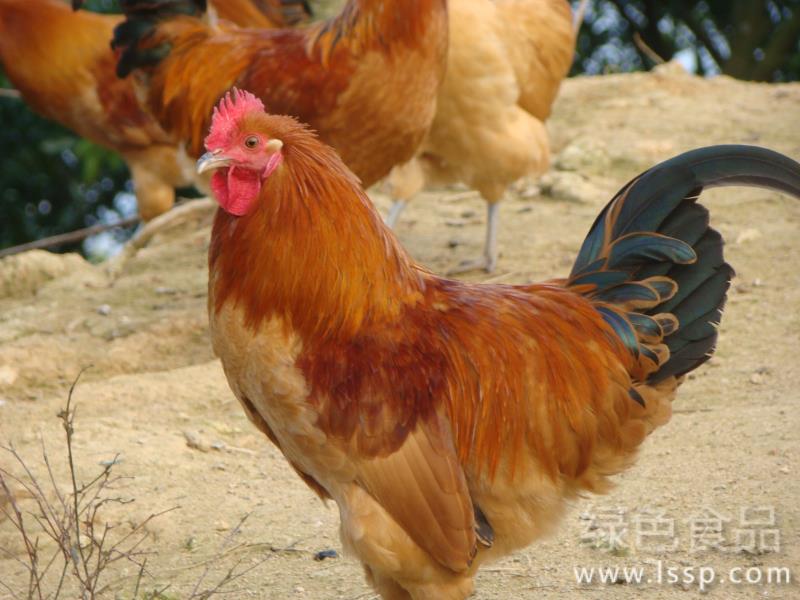
How to Prevent and Treat Slow Growth Caused by Chicken Intestinal Toxemia Syndrome
How to Prevent and Treat Chicken Intestinal Toxemia Syndrome That Slows Chicken Growth
-

Visit the chrysanthemum show and enjoy the most beautiful riverside promenade of the year: river views, a sea of chrysanthemums, and wonderful performances
NEWARRIVAL Travel Recommendation Hankou Jiangtan When a boat arrives in Wuhan, the most alluring thing is not Wuchang fish, but Hankou Jiangtan. Watching the reed marshes grow wild, if not for the faint shadows of the riverside high-rises, you would mistake it for the countryside and return to the poetic scene of "...
-
Detailed Explanation of Syndrome Differentiation and Treatment for Asthma (1)
Wind asthma and other asthmatic conditions, as well as all illnesses, occur when internal factors go wrong and allow external pathogens to invade the body, which can also be described as a susceptibility. For example, in wind asthma, when healthy qi is insufficient and turbid phlegm obstructs the lungs, wind pathogens easily invade, and then...
条件筛选