Ranking of High-Yield Rice Varieties: Kaohsiung 147 Takes the Top Spot for Best Taste
When growing rice, what rice variety do you choose? The latest rice variety is out - is it the one you want? Let's take a look together.
In the "2018 Taiwan Rice Master Championship Selection" that just came out last Wednesday, the rice variety "Kaohsiung 147" took the top spot, capturing four of the six award slots. Farmer Zeng Guoqi from Yuli Township, Hualien County, broke through the encirclement of Kaohsiung 147 with "Tainan 16" and won third place in the organic rice category. But before last year, he often faced the predicament of having no water to farm with, and had to "fight for water" with others to ensure his rice harvest, because his fields were not within the irrigation association's service area.
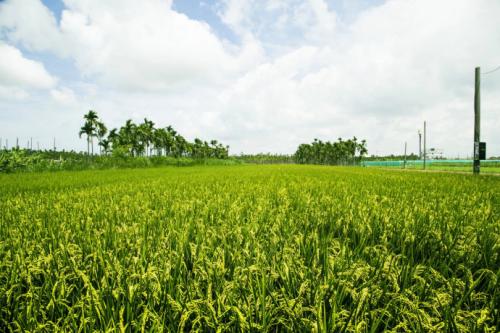
Zeng Guoqi leases 47 hectares of land in the Changliang Organic Special Zone. He said that when he first entered, the irrigation facilities were already poor, and the fields were covered with stones. Organic agriculture does not use herbicides and requires long periods of flooding to suppress weed growth, but because the fields are not within the irrigation area, everyone could only compete for water. Also, because they could only depend on the weather, the tillering stage when rice needs water most often suffered from excessive drought, leading to insufficient tillering. The lowest record was only a 3-crop harvest (a harvest of one hundred Taiwan jin of wet grain per fen of land counts as 1 crop), and after irrigation was provided, it increased to 7 crops.
Hsieh Sheng-hsin, Director of the Farmland Irrigation Division, said that expanded irrigation supply will prioritize areas with abundant water sources, self-producing and self-selling farmers, organic special zones, and non-rice areas, to avoid affecting farmers in the original irrigation areas, while also not increasing the burden on public grain warehouses. This year, about 2,400 hectares of farmland in Yilan, Hsinchu, Nantou, Changhua, Kaohsiung, Pingtung, Taitung and Hualien areas will complete the process of being incorporated into the irrigation association's service scope.