Does Pholiota nameko have to be blanched? Detailed explanation of cultivation techniques and sales prices
Does Pholiota nameko have to be blanched? It is best to do so, as this will make the Pholiota nameko fully cooked through, so there is no food safety risk from eating it undercooked. The sales price of cultivated Pholiota nameko is generally between 6 yuan and 7 yuan. So how is Pholiota nameko cultivated? Would you like to know? Let's take a look together.
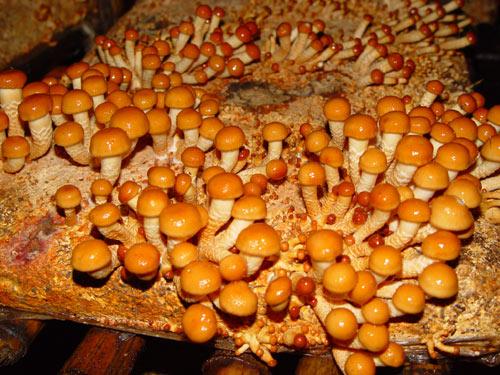
1. Making the cultivation bags. Weigh each component according to the ratio, mix well, with a moisture content of 65% being suitable. Put the mixed material into a container; if using normal-pressure sterilization, heat quickly over high heat to 100°C, otherwise the culture material is prone to souring and spoiling. Then quickly put it into convenience bags that have been soaked in disinfectant solution, and tie the bag openings well. Then move the material bags into the inoculation room.
2. Inoculation. Wait until the fungus bags cool to below 10°C before opening them for inoculation. Flatten the material surface, break the spawn into small pieces and evenly sprinkle them on the material surface, then tie the bag tightly and press it flat. Generally, each bag of spawn can inoculate about 15 bags.
3. Fungus incubation management. Move the inoculated fungus bags to the incubation environment, 5-18°C, in a dark place, be careful to avoid light, with natural humidity. Stack the fungus bags into piles, generally six bags high per pile; during this period it is best to turn the piles once every half month to prevent the pile from heating up. When the temperature rises above 20°C, place them in a single layer, and give a certain amount of scattered light, with the light level being suitable for clearly reading the text on a newspaper, to promote the mycelium turning color and forming a waxy layer.
4. Mushroom fruiting management. When the temperature drops below 20°C, use a sharp knife to cut away the upper half of the plastic bag of the fungus bag, then cut 2 by 2 small squares on the material surface, about 0.5 cm deep. At this time, control the moisture content at about 80% to promote the formation of fruiting bodies, and harvest at the appropriate time when the mushroom bodies have developed and matured but the caps have not yet opened.