-
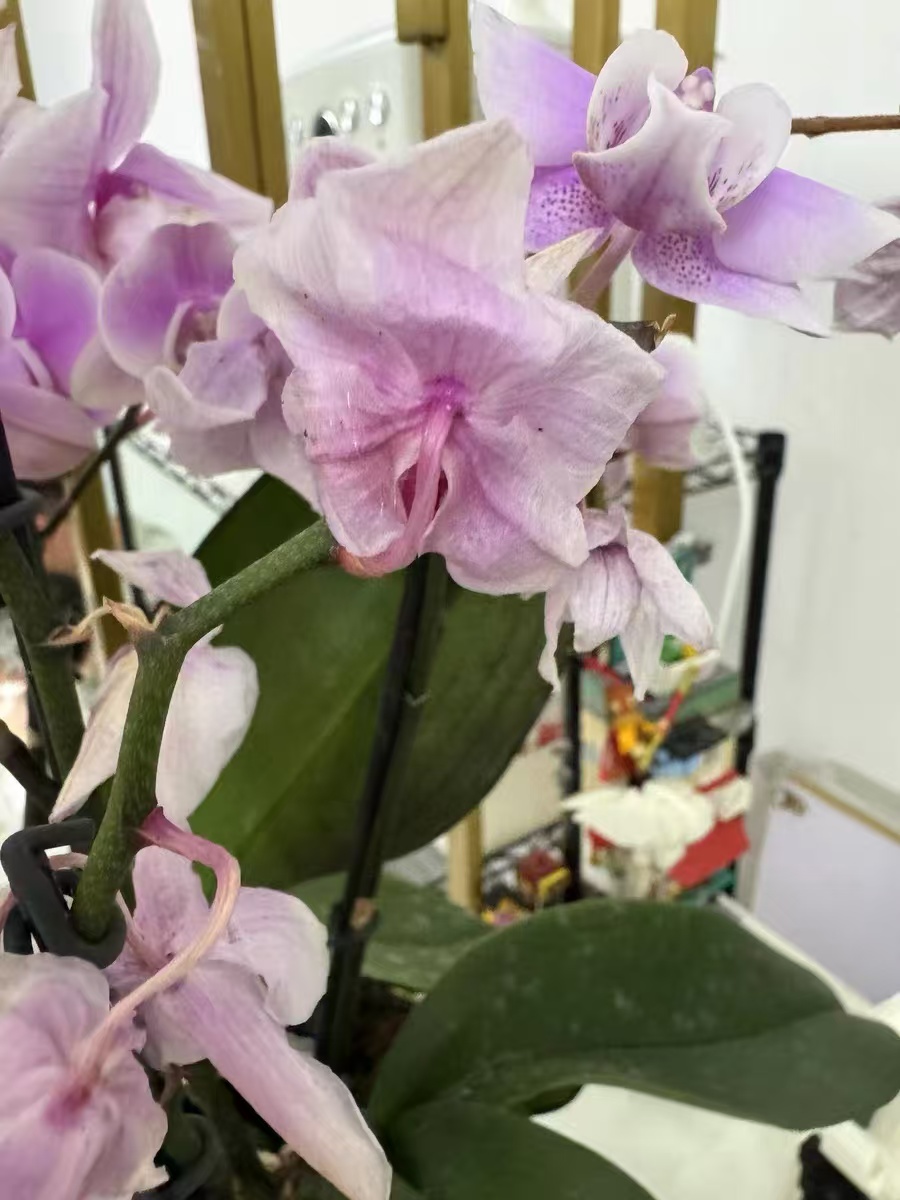
How to Fertilize Phalaenopsis Orchids Reasonably?
Phalaenopsis orchids are perennial epiphytic herbaceous plants and are favored by many flower enthusiasts due to their elegant flowers and unique growth
-
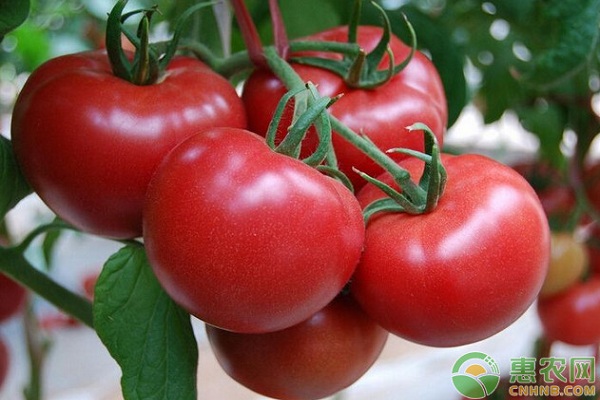
How to reasonably prevent and control tomato viral diseases? A detailed explanation of control methods
How to reasonably prevent and control tomato viral diseases? (Control methods included)
-
How should seed fertilizer be applied reasonably when sowing summer corn?
How should seed fertilizer be applied when sowing summer corn? Please give an introduction. The main reasons why improper application of seed fertilizer when sowing corn causes bud burn and seedling burn: First, the amount of seed fertilizer applied is too large, causing the seeds or the root system during emergence to come into contact with chemical fertilizer, resulting in seed burn and seedling burn. Second, the seed fertilizer is mixed with the seeds during sowing, and although the amount of seed fertilizer applied is not too large, because the seeds and fertilizer are mixed together during sowing, the seeds and fertilizer come into direct contact, causing seed burn and seedling burn.
-

How to Irrigate Field-Grown Flowers Reasonably? A Detailed Guide to Common Irrigation Methods
Reasonable Irrigation and Irrigation Methods for Field-Grown Flowers
-
How to reasonably choose the suitable sowing time for wheat?
The suitable sowing time for wheat generally refers to sowing when the average daytime and nighttime temperature in autumn steadily drops to 18-15°C. Within this range, sow semi-winter varieties first, then spring varieties. By making use of the suitable natural conditions such as temperature and light in autumn and winter, strong seedlings can be formed before winter, which is conducive to safe overwintering and improves the tillering and ear-bearing rate and grain weight. Right now is the critical season for wheat sowing, and wheat across the province has begun to be sown from north to south. According to the requirements of different regions and different types of wheat varieties for sowing time, and in response to the issue of suitable wheat sowing time that farmers generally care about, the following suggestions are put forward
-
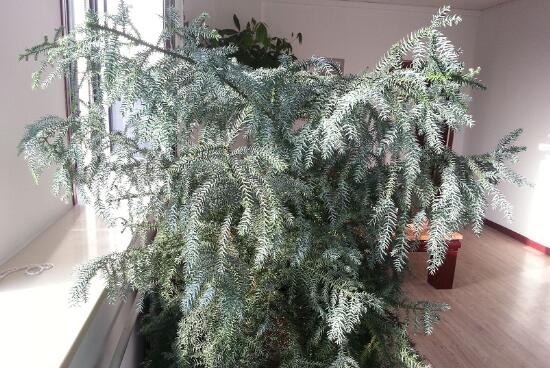
What to do when Norfolk Island pine leaves wither? Supplement light, fertilize reasonably, and replace alkaline soil
As one of the world's three great ornamental trees, the Norfolk Island pine (Araucaria heterophylla) has strong benefits: it not only looks beautiful and can relieve eye fatigue, but also has a powerful air-purifying function. But when the Norfolk Island pine's leaves wither, all these good things leave us, and gardeners must be very anxious at this time! So
-
Licorice should not be stored for too long; the storage time of medicinal materials must be reasonably controlled
Licorice is generally stored as compressed bales wrapped in burlap, each weighing 50 kg, kept in a dry, ventilated place, with a safe moisture content of 12%-14% for the commodity. There are more than ten kinds of warehouse pests of licorice, including the coffee bean weevil, the brown mulberry borer, and the four-spotted chestnut borer. Fumigation with nitrogen or carbon dioxide for 514 hours can kill all adults and larvae, with no obvious change in the inner quality of licorice. Licorice is prone to mildew. If the air humidity is too high, mold spots or white and green mycelium easily appear on the surface of licorice. The following measures can be taken for prevention and control
-
Cotton pruning has its rules: prune reasonably according to local conditions
Conventional cotton pruning is what cotton farmers know best, but the other two pruning methods - simplified pruning and no-pruning - are not so familiar to some. The purpose of cotton pruning is to adjust nutrient distribution, control vegetative growth, promote reproductive growth, regulate plant shape, determine the number of fruit branches, reduce the consumption of nutrients by ineffective flower buds, and promote early maturity. Logically, cotton using conventional pruning should yield more than cotton using simplified pruning and no-pruning, but in production practice, affected by planting density and environmental conditions, this is not entirely the case. Therefore
-
How can organic fertilizer be applied efficiently and reasonably?
Traditional agriculture holds that vegetables should be given large amounts of organic fertilizer, and some vegetable growers even believe that the more organic fertilizer, the better. However, in recent years, the results of many experiments in various places show that appropriately increasing the application of organic fertilizer can effectively control the nitrate content of vegetables, while blindly increasing the application of organic fertilizer will cause the nitrate content of vegetables to exceed the standard. Vegetable nitrate...
-
How should water-soluble fertilizer for fruit trees be used reasonably?
How to use water-soluble fertilizer reasonably for fruit trees
条件筛选