-
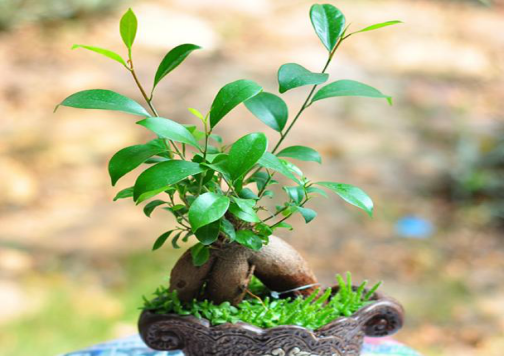
What are the reasons for a ginseng ficus losing its leaves?
1. Normal phenomenon: If a newly bought ginseng ficus drops its leaves, there is no need to worry too much, because this is the ginseng ficus's way of adapting to a new environment and is a normal phenomenon; just let it slowly recover. 2. Growth habits: The ginseng ficus originates from hot, rainy, humid tropical rainforest regions
-
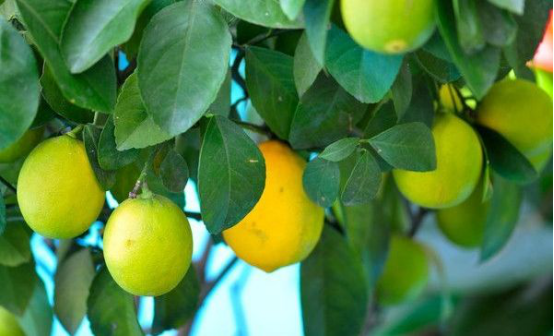
What are the reasons for a potted lemon dropping its leaves?
The reasons a potted lemon drops its leaves may be that it needs an adjustment period, overwatering, root rot, or red spider mite damage. When growing it, you can appropriately reduce watering; in the north you can also give it some ferrous sulfate solution. If the roots have rotted, remove the lemon's flower buds, then cut away the rotted roots
-
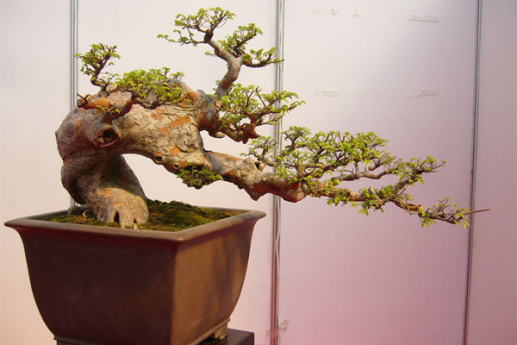
The reasons for yellowing elm leaves are roughly as follows:
1. Insufficient light 2. Overwatering causing root suffocation and root rot 3. Fungal disease on the leaf surface. So, if you want the elm bonsai to become lush and lovely again,
-
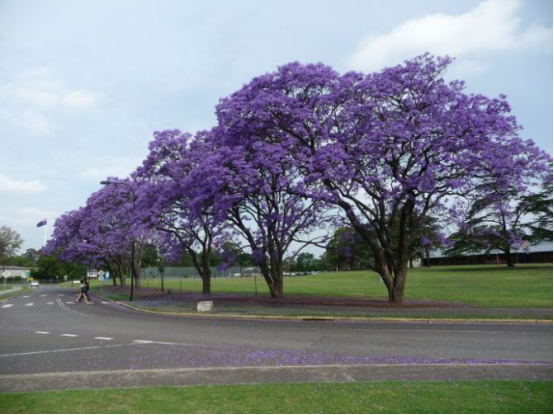
What are the reasons why jacaranda does not bloom?
Jacaranda prefers to grow in a warm, humid environment with plenty of sunlight, and it is not tolerant of frost, snow, or freezing cold. Therefore, the growing environment for jacaranda is very important, and from this we can also find the factors behind why it does not bloom. First, it may be insufficient sunlight; a lack of sunshine can lead to insufficient nutrients for growth, thereby affecting the flowering of jacaranda
-
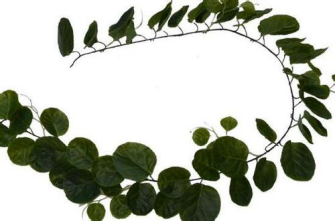
What are the reasons for yellowing leaves on the Money Tree (Pachira aquatica)
1. Soil. When a person is stuck in a state where breathing is difficult for a long time, they easily fall ill, and plants are the same. If the potting soil of the Money Tree is not changed for a long time, the soil will harden, causing poor growth of the roots. When the roots are kept in a state of poor air flow and no oxygen for a long time, they will gradually rot.
-
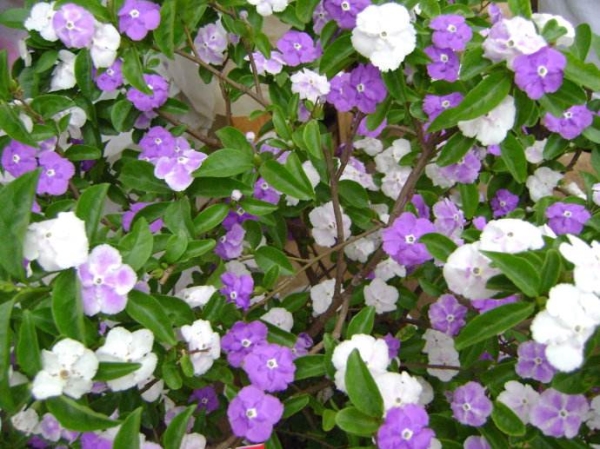
What are the reasons why yesterday-today-and-tomorrow (Brunfelsia pauciflora) does not bloom
Improper watering. If watered too much, it easily causes leggy leaf growth, and the branches and leaves absorb the nutrients, thus affecting flowering, so watering should follow the principle of "dry before wet". To keep the air moist, you can spray clean water on the leaves. Improper fertilizing. Choosing a fertilizer with too much nitrogen will cause vigorous branch and leaf growth
-

What are the common reasons a water lily does not bloom?
1. Light reasons. Water lilies fail to bloom to a large extent because of various reasons. Water lilies need plenty of light to grow; if the light is insufficient, their stems and leaves grow more luxuriantly, which leads to no blooming. If they are kept in shade for a long time, moss will grow on the water surface, the plant will be weak and small, and it will stop producing leaves without blooming.
-
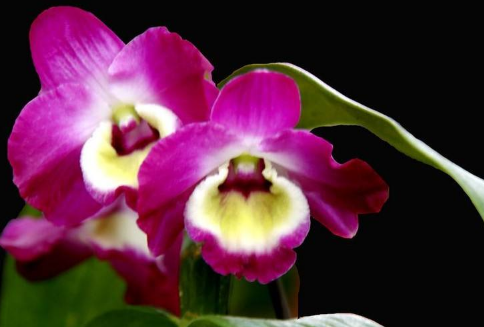
Reasons for Yellowing Leaves on Dendrobium Orchids and How to Fix Them
1. Environmental effects: Dendrobium orchids are suited to growing in partial shade. If a Dendrobium orchid is kept in a dry environment for a long time, its leaves will easily turn yellow once exposed to strong light. 2. Seasonal changes: Weather affects the color changes of Dendrobium orchid leaves. When seasonal changes occur, increase the amount of organic fertilizer appropriately.
-
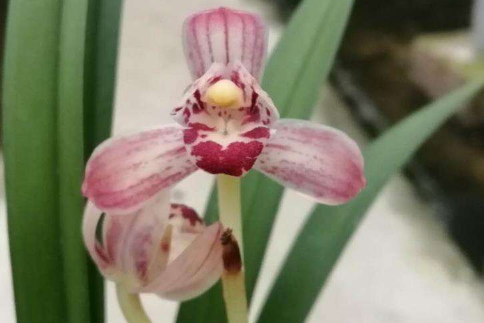
Reasons and Solutions for Yellowing Leaves in Cymbidium ensifolium
1. Unsuitable soil. Cause: Cymbidium ensifolium has fleshy roots and a well-developed root system, requiring soil with good permeability. If the soil is too clayey, it will affect root growth and prevent the roots from transporting nutrients. Solution: If yellowing leaves are caused by unsuitable soil, repot promptly and choose a specialized potting mix.
-

What are the main reasons for the low yield of Gastrodia elata?
Reasons for the low yield of Gastrodia elata
条件筛选