-
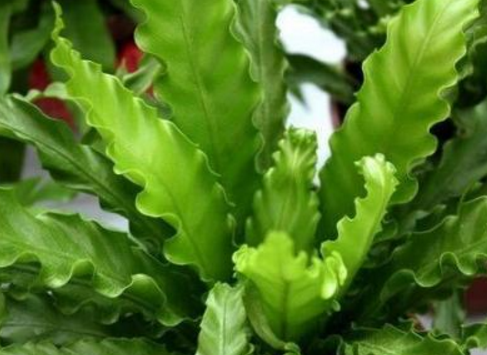
Reasons for Yellowing Leaves on Bird's Nest Fern and Solutions
1. Temperature: Ensure the plant's normal growing temperature, around 22-27°C, and never below 5°C, otherwise the leaves will be frostbitten, become scorched and withered, and the plant will die. 2. Humidity: To prevent the leaves from turning yellow and drying up, regularly spray water on the leaf surface to keep it clean, and also sprinkle water around the area to keep the environment moist.
-

School Lunch Forum Calls for Reasonable Price Increase and Stronger Campus Screening Capacity
School Lunch Forum Calls for Reasonable Price Increase and Stronger Campus Screening Capacity
-

Reasons Why African Jasmine Does Not Bloom and How to Fix It
1. Lack of light. African jasmine likes sunlight. If it is grown in a place without light for a long time, the leaves of African jasmine may become sparse, with few flowers or even no flowers at all. To fix this, move the pot to a place with plenty of sunlight for care. 2. Temperature too low. African jasmine likes to grow in a warm environment.
-
What are the reasons why mosquito-repellent plant does not bloom
Overwatering the mosquito-repellent plant or getting rained on, long-term water accumulation in the pot causing root rot, yellow leaf edges or leggy growth all affect blooming. 2. Over-fertilizing the mosquito-repellent plant easily causes leggy branches and leaves without blooming or with sparse blooms, but insufficient or no fertilization will also affect the plant's normal growth and blooming
-
Reasons for Yellowing Leaves on the Mosquito Plant and How to Fix It
1. Symptom: Sudden yellowing and leaf drop over a short period. Solution: This may be caused by a rapid temperature change or insufficient light. What you need to do is place the mosquito plant in a sunny spot to get more sun, and make sure the light exposure time is increased gradually; it should not be placed in direct sunlight for long periods all at once.
-
What are the reasons for yellowing leaves on Anthurium
1. Unsuitable soil. In most northern regions, the soil and water contain relatively high levels of salt and alkali and lack the soluble iron the plant needs for growth. If the soil is not changed for a long time, the plant becomes nutrient-deficient and the leaves gradually lose their green color and turn yellow. 2. Dry air. The growth of Anthurium requires relatively high air humidity, and when indoor air is excessively dry in winter
-
There are mainly five reasons why a Crinum lily does not bloom:
1. Lack of light. Lack of light affects photosynthesis, so insufficient organic matter accumulates and flower bud differentiation cannot occur, which is why it does not bloom. Although the Crinum lily is relatively shade-tolerant, in too much shade organic matter accumulates too slowly and too little, causing a deficiency or imbalance of nutrients (energy) in the plant, so flower buds cannot form and there are no flowers to bloom.
-
What are the reasons for yellowing leaves on a pothos
1: Improper watering. If overwatered, the young leaves turn dull yellow and lose their gloss, growth gradually stops, and the stems become thin and yellow-green. With prolonged lack of water, the leaf tips and edges of the pothos dry up, and the old leaves turn yellow and drop from top to bottom. 2: Improper lighting. Pothos generally grows in a cool, shady environment
-
What are the reasons why the bird of paradise (Strelitzia) does not bloom?
1. Imbalanced light intensity exposure. The bird of paradise likes light, but if it is exposed to direct strong sunlight in summer, the plant will lose water and delay flowering; if the light is too weak, photosynthesis will be affected, which likewise delays flowering. 2. Imbalanced fertilizer application. The bird of paradise has very high requirements for the growing medium.
-
What are the reasons for yellowing leaves on a velvet Calathea
Temperature: Velvet Calathea likes a warm and humid environment, with an optimal growing temperature of 20-28°C. If the temperature is too high or the air is too dry, the leaves of the velvet Calathea will curl, shrivel and turn yellow. Light: Velvet Calathea is a shade-loving plant, so pay attention to shading when growing it, and never expose it to scorching sun
条件筛选