-

The "Huishan disinfection" method in integrated silkworm disease control
Disinfection is carried out after the silkworm rearing is finished. Because after the silkworms mount the cocooning frames and spin cocoons, and after the cocoons are harvested, there are often many rotten cocoons, dead diseased silkworm bodies and silkworm droppings left behind, especially during the summer and autumn rearing seasons, this is the time when pathogens are most concentrated. If disinfection is not carried out in time, it poses a great threat to the safety of rearing the next batch of silkworms, so a thorough disinfection must be carried out promptly, which is generally called "Huishan disinfection" in production. The method is mainly to gather together the various silkworm rearing tools used for rearing and mounting on the cocooning frames, first spray and disinfect them once with 1%-2% lime slurry or bleaching powder solution with 1% available chlorine, and then
-
Occurrence of Tulip Diseases and Integrated Control Methods
Tulip is a perennial bulbous herbaceous plant of the genus Tulipa in the family Liliaceae, also known as foreign lotus, grass musk, peony lily, etc., and is one of the most popular cut flowers in the world. With the adjustment of industrial structure, many places in Jiangsu Province have formed tulip fresh cut flower bases. However, in the production process, we found that every stage may be harmed by fungal, bacterial and viral diseases, thereby affecting the normal growth of plants, reducing the quality and ornamental value of cut flowers, and in severe cases causing devastating damage. Therefore, preventing the occurrence and development of tulip diseases is the
-
Key Technical Points for Integrated Control of Rice Diseases, Insect Pests, Weeds and Rodents
1. Suitable areas: all rice-growing areas in Guangdong Province. The rodent control technology is suitable for controlling house mice in agriculture, forestry, livestock and poultry farming, and urban areas of Guangdong Province. 2. Key technical points for rice disease and insect pest control: (1) Agricultural control: A. Select disease- and insect-resistant, high-yielding, high-quality varieties. B. Sow and transplant at the appropriate time. C. Rational close planting and fertilization. For seedling throwing, 40 trays per mu (560 holes) is appropriate; for transplanted fields, about 20,000 hills per mu (6X5 cun), that is, about 80,000-100,000 seedlings, is appropriate. For basal fertilizer, it is recommended to apply more organic fertilizer; according to soil fertility and yield, apply an appropriate amount of nitrogen fertilizer in the early and middle stages (about 10 kg of pure nitrogen per mu), and increase the application of phosphorus and potassium fertilizers.
-
Why must potatoes and sweet potatoes be stored in separate cellars?
Although sweet potatoes and potatoes are both tuber crops, they are indeed different. Their growing conditions and the suitable temperatures for storing their tubers are clearly different. When storing sweet potatoes, in order to prevent black spot disease, soft rot and other diseases from invading the tubers, the cellar temperature is generally first raised to 34°C-37°C with a relative humidity of around 85%, and kept there for about 4 days, so that the wounds caused to the tubers during digging can heal as quickly as possible and infection can be prevented; in production this is called high-temperature healing. After that, the cellar temperature is generally kept at 10°C-15°C with a relative humidity of
-
Detailed Explanation of Key Points of the Aerated Composting Technique for Straw Mushroom Culture Material
Under suitable temperature conditions, the production cycle of straw mushroom is about 20 days. From sowing to harvesting the first flush of mushrooms takes about 10 days, and the yield is mainly concentrated in the first flush. In our province, it can be cultivated from May to September every year. Based on this production characteristic of straw mushroom, the author, in the work of promoting straw mushroom cultivation in rural areas, summarized a new composting method - the aerated composting method, and achieved very good results. Straw mushroom can be cultivated using rice straw plus some supplementary materials or solely cottonseed hulls. Before building the pile, sun-dry the rice straw or cottonseed hulls for 1 day, then soak them thoroughly in lime water at pH 11-12, and scoop
-

Hsinchu County Signs the Friendly Farming and Honest Agriculture Strategic Alliance
On January 16, the Hsinchu County Xinpu Township Office invited representatives from industry, government, academia and research in the agricultural field to sign the "Friendly Farming and Honest Agriculture" strategic alliance memorandum of cooperation at the Xinpu Township Visitor Center, announcing that farmers in Xinpu Township will, under the joint professional guidance of all invited parties...
-

-
Cottonseed protein: What is soybean meal? Can cottonseed protein replace soybean meal in pig concentrate?
Can cottonseed protein replace soybean meal in pig concentrate??
-

How to Improve the Fruit Set Rate of Shatian Pomelo? Practical Methods Shared
How to Improve the Fruit Set Rate of Shatian Pomelo
-
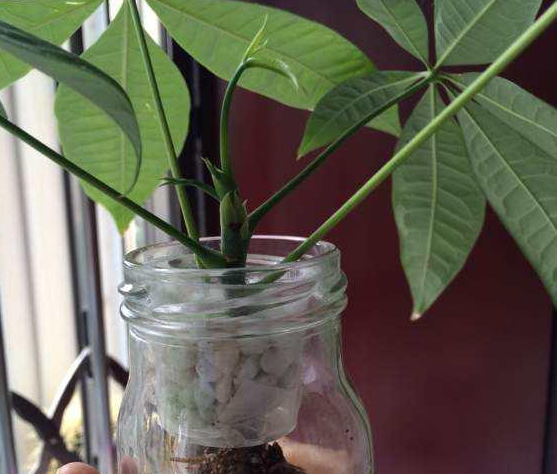
Money Tree Cutting Propagation Method Illustrated Guide, Water Propagation Works Too
The money tree (Pachira aquatica) is a very auspicious plant, and many people grow it at home. Let's take a look at the illustrated guide for money tree cutting propagation: The simple version: propagate directly in water by taking a healthy, undamaged money tree branch and placing it directly into a glass filled with water, changing the water every three days.
条件筛选