-
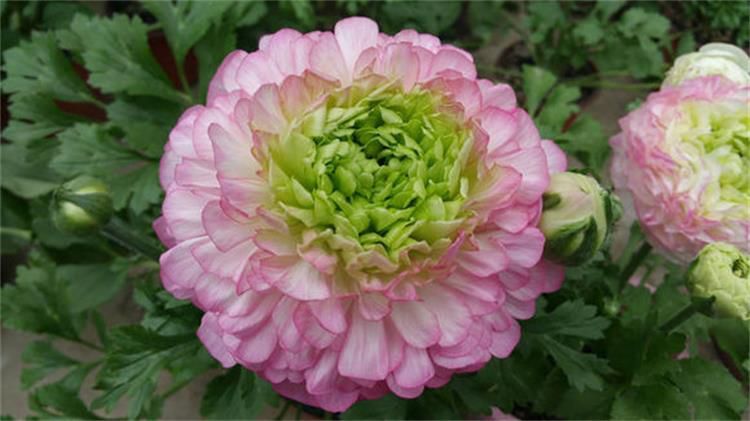
Ranunculus isn't very famous, but the flowers it produces are exceptionally pretty
Ranunculus, unlike Chinese roses, orchids, bougainvillea and the like, is not widely known, but although its "fame" is small, it has not diminished flower lovers' affection for it in the slightest, especially once it blooms, so pretty, who knows how many flower lovers have been...
-

How to grow Ranunculus asiaticus? Growth habits and cultivation methods of this perennial herbaceous flower
Ranunculus asiaticus, also known as celery flower, Persian buttercup, and lotus flower, is a perennial herbaceous plant of the genus Ranunculus in the family Ranunculaceae. It is native to southeastern Europe and southwestern Asia. It has a low, compact form, bright colors, upright flower stems, and beautiful and unique flower shapes. It is suitable for planting under trees or on the north side of buildings, and is very popular with consumers.
-
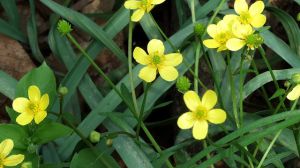
The difference between Ranunculus ternatus and Orthosiphon aristatus, teaching you to quickly tell the two apart
Plant distinction: Ranunculus ternatus grows about 5 to 20 cm tall; Orthosiphon aristatus grows about 1 to 1.5 m tall. Leaf distinction: the former's leaves are 5 to 40 mm long; the latter's leaves are about 1.2 to 5.5 cm long. Fruit distinction: the former's fruit is about 6 mm in diameter; the latter's fruit is 2 mm long.
-

How to Grow Ranunculus? A Detailed Explanation of Key Cultivation Techniques
Ranunculus has a delicate and graceful plant form with rich, brilliant flower colors, and is a perennial herbaceous flower. It is an excellent potted ornamental plant with high ornamental and commercial value.
-

Detailed Explanation of the Key Cultivation Techniques for Ranunculus sceleratus
Cultivation Techniques for Ranunculus sceleratus
-
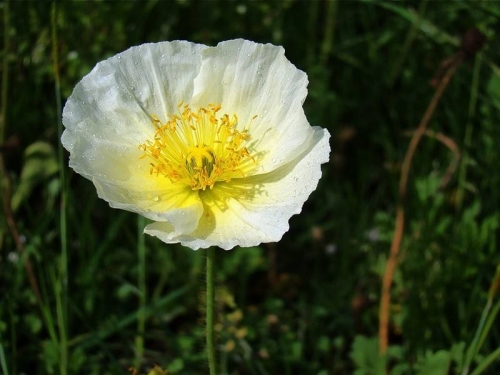
How to plant Ranunculus (Persian Buttercup) corms? A detailed explanation of the key planting techniques
Time To extend the growing period, we can choose to sow in September, or a little later in October. Temperature The optimal suitable temperature for corm germination is 10°C to 15°C. Seed box For ease of management, Ranunculus corms are often sown in a seed box
-
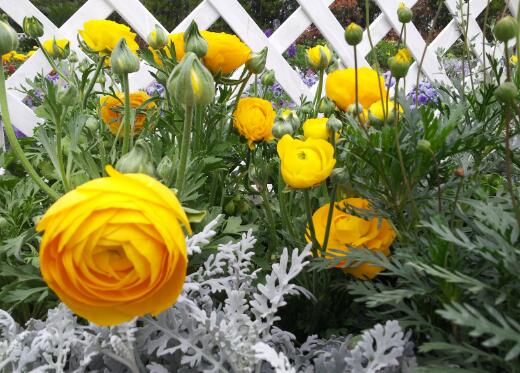
How to propagate Ranunculus asiaticus? Seed propagation and division propagation methods
Ranunculus asiaticus is a fairly common flowering plant in people's daily lives, with high ornamental value, and many people across China grow it. However, as more people grow it, questions about its propagation have also drawn attention. How to propagate Ranunculus asiaticus? What are the propagation methods for Ranunculus asiaticus?
-
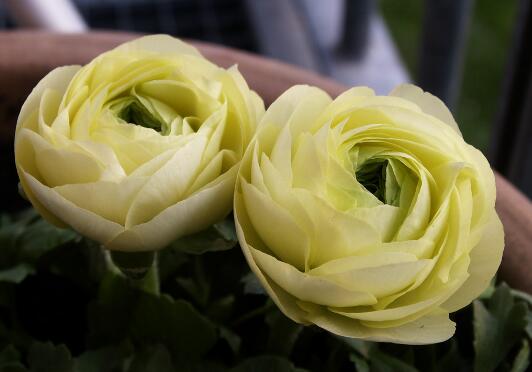
What to Do When Ranunculus Gets Pests? Common 2 Pests and 2 Diseases and Their Control Methods
During the growth of ranunculus, the last thing we want to encounter is pests and diseases. Such problems are extremely harmful to the plant and can even cause it to wither and die in severe cases. So what should you do when ranunculus gets pests? And how should pest and disease control for ranunculus be carried out? Below, the editor will walk you through it.
-
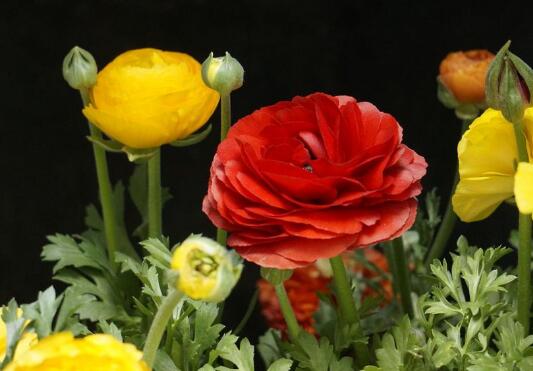
How to grow Persian buttercup (Ranunculus asiaticus)? Growing methods and precautions, avoid strong light
Persian buttercup is a world-famous flowering plant with high ornamental value, and people all over the world grow it. However, to grow it well, there are still many points that need attention. Regarding how to care for Persian buttercup, what are the growing methods and precautions? Below, the editor will walk you through it
-
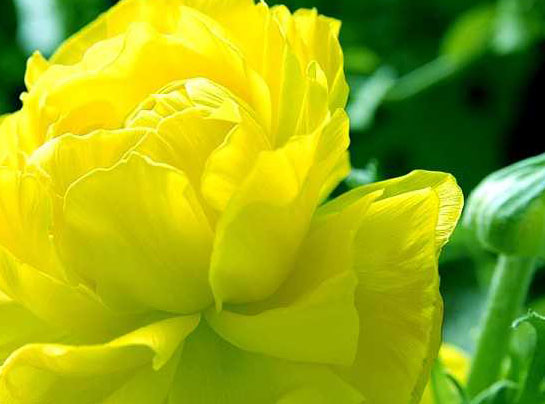
How to grow Ranunculus? Ranunculus care methods
Ranunculus is also known as Persian buttercup. The flowers are borne singly at the tips of the stems, or long pedicels emerge from the leaf axils. The corolla is round. Flower colors include white, yellow, orange, red, purple, brown and so on. The flowering period is April to May. It is relatively cold-tolerant but not heat-tolerant, and enters dormancy in summer in most regions of China. It fears strong direct sunlight and grows well in dappled shade.
条件筛选