How to propagate Ranunculus asiaticus? Seed propagation and division propagation methods
Ranunculus asiaticus is a fairly common flowering plant in people's daily lives, with high ornamental value, and many people across China grow it. However, as more people grow it, questions about its propagation have also drawn attention. How to propagate Ranunculus asiaticus? What are the propagation methods for Ranunculus asiaticus? Below, the editor takes everyone through it.
I. How to propagate Ranunculus asiaticus: sowing/division
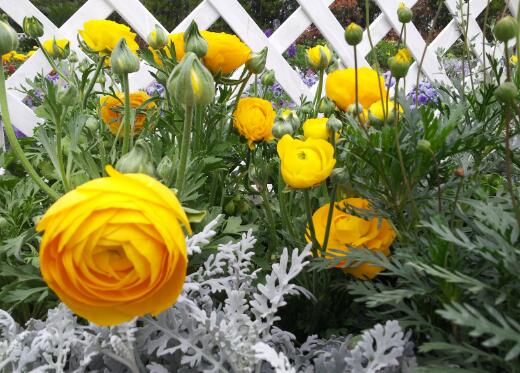
When it comes to how to propagate Ranunculus asiaticus, it is mainly divided into two methods: seed propagation and cutting propagation. As long as they are done properly, both propagation methods have a very high survival rate. As for how to carry out these two propagation methods specifically, they are described in detail below. Let's take a look.
II. Propagation methods of Ranunculus asiaticus
Seed propagation
1. Substrate selection: good drainage
Before sowing and propagating Ranunculus asiaticus, we must first choose the substrate. This is a fairly important step. Only when it grows in a suitable substrate can it grow better. Generally, we should preferably choose loose, fertile, well-drained neutral or slightly alkaline soil as the substrate.
2. Seed harvesting: harvest in June
Generally, by June each year, when the branched leaves on the aboveground part of Ranunculus asiaticus wither and turn yellow and the aggregate fruit changes from green to yellow, the seeds are ripe. At this time, we can pick them, dry them in the sun, put them into paper bags, and store them in a ventilated, dry place until autumn for sowing.
3. Low-temperature germination: 10°C-15°C
The sowing time for Ranunculus asiaticus is generally in spring, but because temperatures differ, its germination time also varies. Generally, the fastest germination occurs when the temperature is controlled between 10°C-15°C, usually germinating in about 20 days, while temperatures above 20°C will prevent germination.
4. Sowing method: apply base fertilizer before sowing
Among the propagation methods of Ranunculus asiaticus, seed propagation is relatively simple. First, we need to add an appropriate amount of base fertilizer to the soil, then scatter the pre-germinated seeds onto the potting soil, cover with about 1-2 cm of soil, and then water. When watering, be sure to water thoroughly at one time, then place it in semi-shade. After it germinates, normal care can begin.
Division propagation
Division propagation of Ranunculus asiaticus is generally carried out in autumn from September to October. With this method, we can do it together with repotting. When dividing, we should lift the overly dense mother plant out of the potting soil, then cut it into several clumps and pot them separately, planting them as they are divided, and they are extremely easy to survive. Generally, after potting, it is already a complete flowering plant.
Propagation methods of Ranunculus asiaticus
If you want Ranunculus asiaticus to be full of flowers and richly fragrant, this cannot be separated from its care and management. The propagation methods of Ranunculus asiaticus are very important, and none of the steps can be omitted. What are the propagation methods of Ranunculus asiaticus? This article will introduce them one by one:
Propagation methods of Ranunculus asiaticus
Ranunculus asiaticus is suitable for planting in well-drained, fertile, loose neutral or slightly alkaline soil. Its propagation methods mainly include tuberous root division propagation, seed propagation, and tissue culture propagation.
1. Tuberous root division propagation is carried out from September to October, by breaking apart the tuberous roots with their rhizomes and planting them. Division propagation has the characteristics of a short growth cycle, early flowering, larger plant form, more flowers, and relatively easy cultivation, but its division propagation coefficient is low and its propagation speed is slow, far from meeting the needs of large-scale production. It is often mainly grown in pots.
2. Seed propagation has a high multiplication rate and bright colors, but fewer flowers and a longer growth period. If no cooling measures are taken and sowing is done early, it will not bloom until March or April, and it has relatively high requirements for cultivation skill. The normal sowing period for Ranunculus asiaticus is autumn, and it is best to sow in October when the temperature drops below 20°C.
3. Tissue culture propagation of Ranunculus asiaticus tuberous roots, although having a high propagation coefficient and fast speed, has relatively strict requirements for the inoculation period and the selection of explants. The propagation technique is relatively difficult and the cost is relatively high, so there is a certain degree of difficulty in actual production. Therefore, the sowing method is used to produce commercial bulbs of Ranunculus asiaticus, and then the bulbs are used to produce finished Ranunculus asiaticus flowers so as to improve the economic benefits of potted Ranunculus asiaticus cultivation.
The propagation methods of Ranunculus asiaticus are not limited to the article compiled by the editor; the methods are still diverse. The introduction to the propagation methods of Ranunculus asiaticus is finished, and I hope it is helpful to everyone. The propagation methods of Ranunculus asiaticus are very important, as they relate to its later growth. Whether the growth is good or bad is related to climate, temperature, and environment to a certain extent. Everyone must take good care of it!
Ranunculus asiaticus Ranunculus asiaticus illustrated guide: how to grow Ranunculus asiaticus / how to propagate Ranunculus asiaticus
Ranunculus asiaticus profileRanunculus asiaticus Ranunculus asiaticus
Cultivation methods and precautions for Ranunculus asiaticus: introduction to Ranunculus asiaticus
Ranunculus asiaticus (scientific name: Ranunculus asiaticus), also known as celery flower and Persian buttercup, and commonly called "foreign peony" in the Kunming area, is a perennial herbaceous flowering plant of the genus Ranunculus in the family Ranunculaceae. Ranunculus asiaticus is native to the Mediterranean coast, and has been widely planted in European countries such as France and Israel. It is now cultivated in countries around the world. China began introducing and cultivating cut flower varieties in the late 1990s. It is relatively suitable for forced cultivation in winter and spring. Its flower colors are bright and rich, with five to several dozen petals, a flower diameter of 6-9 cm, and flowers in colors such as red, white, and orange, with both single and double forms. It is deeply loved by consumers, and the planting area is increasing year by year.
Morphological characteristics of Ranunculus asiaticus
Ranunculus asiaticus has an exquisite and beautiful plant form and rich, brilliant flower colors. It is a perennial herbaceous flowering plant. The plant height is 20 cm-40 cm, the tuberous roots are spindle-shaped, often several clustered at the root crown; the stem is single or few-branched, hairy; the basal leaves are broadly ovate with long petioles, and the stem leaves are sessile and are 2-pinnate 3-foliolate compound leaves; the flowers are solitary or several terminal, with a flower diameter of 3 cm-4 cm; the flowering period is April-May. Underground there are small spindle-shaped tuberous roots, about 2 cm long and 1 cm in diameter. The aboveground clump is about 30 cm tall, with slender and upright stems, few branches, and bristles. The root leaves have long petioles, are elliptical, and are mostly ternate leaves,
with coarse blunt serrations. The stem leaves are nearly sessile, finely pinnately lobed, with 5-6 lobes, and the leaf margins also have blunt serrations. A single flower is borne at the top of the branch, or a very long pedicel is produced from the leaf axil. The corolla is full and round, the petals are flat and spreading, 8 per whorl, overlapping in layers. The flower diameter is 3 cm to 4 cm or larger, often several clustered at the root crown. In spring, aboveground stems are produced, single or few-branched. The stem leaves have no petioles, and the basal leaves have long petioles, resembling celery. Each flowering shoot has 1-4 flowers. Ranunculus asiaticus includes potted types and cut flower types. It is distributed in Asia and Europe. It is now cultivated in countries around the world. There are many cultivated varieties, including double and semi-double forms, with rich flower colors including white, yellow, red, pink, bright red, orange, purple, and brown.
Ecological habits of Ranunculus asiaticus
It prefers a cool and semi-shaded environment and avoids heat. The suitable growth temperature is about 20°C during the day and 7-10°C at night. It fears both wetness and drought, and is suitable for planting in well-drained, fertile, loose neutral or slightly alkaline soil. After June, the tuberous roots enter dormancy. Ranunculus asiaticus is native to western Asia centered on Turkey and southeastern Europe. It likes a mild climate, fresh and humid air, and a lightly shaded growing environment. It is not tolerant of severe cold and freezing, and even more afraid of intense summer heat and strong sun. In most areas of China, it enters a dormant state in summer. For pot cultivation, it requires a sandy culture soil rich in humus, loose and fertile, with strong permeability.
A shade-tolerant plant, it prefers a cool and semi-shaded environment and avoids heat. The suitable growth temperature is about 20°C during the day and 7 to 10°C at night. It fears both wetness and drought, and is suitable for planting in well-drained, fertile, loose neutral or slightly alkaline soil. After June, the tuberous roots enter dormancy.
Cultivation techniques for Ranunculus asiaticus
Division is carried out from September to October, by breaking apart the tuberous roots with their rhizomes and planting them. Seed propagation shows great variation and is often used for breeding and mass propagation. It germinates 30-40 days after sowing, and cold protection is needed when the temperature drops to 5°C. The following year, when the seedlings grow 3 true leaves, they are transplanted, kept moist, and topdressed once every 7 days. Remove early flower buds in time to promote seedling growth. From sowing to summer dormancy the following year, Ranunculus asiaticus completes the seedling stage, after which it can be propagated by tuberous roots. Plant in early September, with a spacing of 20 cm between plants and rows for field planting. For pot cultivation, use a 18-20 cm diameter clay pot and choose mixed fertile soil. Starting in November, apply diluted liquid fertilizer once every 10 days. From February of the following year, fertilize once every 7 days and increase the fertilizer concentration. In the early bud stage, keep 3-5 strong flower buds per plant and remove all the rest to concentrate nutrients. With forced cultivation, it can bloom by the end of the year. The method is to bury the bulbs in moist sawdust, treat them at a low temperature of 8°C-10°C for 30-40 days, break dormancy in summer, then plant from late September to early October, and maintain a winter temperature of about 10°C.
For pot cultivation, spraying 0.2%-0.4% B9 can promote plant dwarfing, generally sprayed twice: the first time when leaves just begin to emerge, and the second time when the flower buds are the size of a bean. Although cultivation with seedlings can bloom in spring the following year when sown in autumn, the first-year seedlings have fewer petals, smaller flower diameters, and relatively low ornamental value. Generally, for cut flowers, pot flowers, and those used for flower bed cultivation, one-year-old seedling bulbs are selected for planting.
Seed retention and collection
In order to collect excellent seeds, seed mother plants should be determined according to the requirements of the selection goal, marked, and given strengthened management. When the flowers bloom, artificial supplementary pollination between flowers or between plants should be carried out. When the stamens' pollen disperses, use a brush to dip the pollen and apply it to the stigmas of other flowers. When the pollinated flower petals fall off and form a green aggregate fruit made of tightly arranged seeds, remove the remaining flowers and buds so that nutrients are concentrated to supply seed growth and development. At the same time, strengthen fertilizer and water management and pest and disease control so that Ranunculus asiaticus grows robustly, manufactures more nutrients to deliver to the fruit spike, and produces plump, full seeds. In June, when the aboveground branches and leaves of Ranunculus asiaticus wither and turn yellow, the aggregate fruit changes from green to yellow, and the seeds are fully mature, pick the aggregate fruit, dry it in the sun, put it into paper bags, and store it in a ventilated, dry place until autumn sowing.
Low-temperature germination
The normal sowing period for Ranunculus asiaticus is autumn, and it is best to sow in October when the temperature drops below 20°C. However, temperatures vary greatly between different years, and the germination time varies. If the suitable germination temperature for seeds can be controlled at 10°C to 15°C, they will germinate in about 20 days. If sown early, they will not germinate when the temperature is above 20°C, and only after it drops to the germination temperature will they germinate, so the time required for germination after sowing is long; if sown late, the vegetative growth before overwintering is insufficient, and the flowers in the following spring will be small; if sown too late, they will not germinate when the temperature is below 5°C, and will not germinate until February of the following year when the temperature rises. In production, in order to extend the vegetative growth period and cultivate high-quality Ranunculus asiaticus, sowing can be advanced to mid-to-late August. At this time, the temperature is high, which is not conducive to seed germination, so low-temperature germination treatment is required. That is, wrap the seeds in gauze, soak them in cold water for 24 hours, then place them in a constant-temperature cabinet or refrigerator crisper at 8°C to 10°C, take them out every morning and evening, rinse with cold water, shake off the excess water, and keep the seeds moist. After about 10 days, once the seeds swell and show white, sow immediately. Where conditions permit, high-mountain seedling raising can be used.
Land preparation and seedling raising
The seedbed should preferably be a sandy loam with good ventilation and light transmission, good drainage, and loose fertility. Avoid planting in low-lying, waterlogged, clay areas. When preparing the land, apply 25 kg of decomposed organic fertilizer, 0.15 kg of nitrogen-phosphorus-potassium compound fertilizer, 8 g of 50% carbendazim original powder, and 20 g of 3% carbofuran granules per square meter of seedbed to prevent pest and disease damage. Then immediately deep-plow 20 cm, mix evenly, and make a seedbed 1 m wide and 20 cm high. After breaking up the soil, harrowing it fine, and leveling the bed surface, water thoroughly once with a fine-spout watering can. After the standing water on the bed surface has seeped away, evenly broadcast the germinated Ranunculus asiaticus seeds on the seedbed, cover the bed surface with a layer of about 0.5 cm thick sieved fine soil, and then cover with double-layer shade netting to lower temperature and retain moisture.
After the seedlings emerge uniformly, if the temperature is high, a hoop shed with a layer of shade netting should be built. When the weather turns cool, remove the shade netting and gradually increase light until maintaining them under full-light conditions. When the two shield-shaped cotyledons mature or true leaves grow, spray 800 to 1000 times diluted 50% carbendazim wettable powder or 500 times diluted 75% chlorothalonil to prevent disease; at the same time, spray the leaves with a mixed solution of 0.05% urea and KH2PO4 once a week to promote robust seedling growth.
Transplanting and field planting
When the seedlings grow 4 to 5 true leaves, they can be divided and transplanted into pots or planted into the seedbed of a plastic greenhouse. The soil used for planting is the same as that used for sowing. When lifting seedlings, use a flower shovel to dig up the seedlings one by one, carrying as much original soil as possible to reduce damage to the root system. To cultivate high-quality pot flowers and increase crown diameter, plant 3 to 5 flower seedlings per pot; for seedbed field planting, 3 to 5 flower seedlings can be one clump, with a clump-to-row spacing of 20 to 25 cm. After transplanting, water promptly to settle the roots so that the root system closely contacts the soil, and cover with shade netting to help the seedlings recover. After survival, maintain them under full light.
Post-planting management
1. Seedling-stage management: if light is too strong and the temperature is high during the seedling stage, shade netting can be set up to lower the temperature. To prevent seedlings from becoming leggy, growth is best when the daytime temperature is below 15°C, the nighttime temperature is 5°C to 8°C, and the temperature difference is less than 10°C. If the temperature remains above 20°C for a long time, the leaves will turn yellow. When the winter temperature drops to 5°C, cold protection measures should be taken, adding plastic film for insulation. At noon on sunny days when the temperature rises, pay attention to ventilation and cooling, rationally use sunlight, and keep the greenhouse temperature at 5°C to 10°C so that the seedlings remain in a growing state. During the seedling stage, watering should be controlled: do not water unless dry, because soil that is too wet easily causes young roots to rot. When watering, water as slowly as possible to prevent too rapid a flow from washing out the young roots or washing away the substrate. Every 10 to 15 days, apply a mixed solution of 0.1% urea and KH2PO4 or topdress with 0.3% liquid compound fertilizer once together with watering.
2. Pre-flowering management: from when the seedlings grow about 10 basal leaves until the plant produces upright stems and forms flower buds is pre-flowering management, that is, the vegetative growth period. To ensure the plant's vegetative growth, the soil must not lack water, otherwise the plant will grow short, have fewer tillers, and an underdeveloped root system, affecting flower bud formation; however, soil that is too wet easily causes root rot and disease, resulting in poor plant growth.
As the basal leaves increase and the plant clump enlarges, apply a compound fertilizer aqueous solution with a nitrogen, phosphorus, and potassium ratio of 3:2:2 once every 10 days, and gradually increase the fertilizer concentration and frequency. In spring, when the temperature is suitable, Ranunculus asiaticus grows vigorously and produces upright stems, so the supply of fertilizer and water should be increased, watering frequently to keep the soil moist; apply diluted cake fertilizer liquid or compound fertilizer once a week, and appropriately spray 1 to 2 times with foliar fertilizer mainly based on phosphorus and potassium, until budding.
According to the plant's growth, promptly widen the spacing between pots, remove yellow leaves and diseased or damaged leaves, and prevent the plants from being too dense, which would cause leggy growth and poor ventilation. At the same time, strengthen pest and disease control, promptly remove diseased plants, and regularly spray broad-spectrum fungicides for sterilization; monitor the occurrence of pests such as leafminers and aphids at all times. Focus on prevention and kill pests and diseases in the early stage of occurrence.
3. Flowering-stage management: the period from flower bud formation and development to flowering is the flowering stage. During flower bud formation and development, fertilizer demand is high, so apply diluted cake fertilizer liquid plus 0.2% KH2PO4 solution once every 7 to 10 days.
To make the flower stems substantial and prevent wind breakage and lodging, increase the amount of potassium fertilizer before budding, applying wood ash extract once every 10 days (soak 1 kg of wood ash in 10 kg of clean water for one week), take the supernatant and dilute it with 50% water to topdress the roots, applying twice consecutively. To concentrate nutrients and promote larger flowers, thin the buds in the early bud stage: select 3 to 5 strong flower buds per plant and remove all the rest. To reduce the height of Ranunculus asiaticus, make the plant shape more beautiful, and improve ornamental value, from the early stage of flower stem emergence until the flower buds grow out of the leaf clump, spray 0.2% to 0.4% B-9 (daminozide) on the stem tips and leaf surfaces once every 10 days, for a total of 2 to 3 times, to promote plant dwarfing. Or spray once with a 15% paclobutrazol powder aqueous solution at budding. For early and late budding, spray in batches, and do not repeat during spraying.
During the flowering period, watering should be moderate and balanced to keep the soil moist. Lack of water will affect flowering, causing a short flowering period, less vivid colors, and yellowing leaves. When encountering high temperature and strong light during flowering, shade promptly, ventilate, and cool to prevent leaves from turning yellow. If the temperature is kept at 15°C to 18°C and faded flowers are promptly cut off, the flowering period can last as long as 1 to 2 months.
4. Post-flowering management: from after flowering until the aboveground stems and leaves gradually wither and turn yellow, the seeds develop and mature, the underground tuberous roots enlarge, and dormancy begins, is the post-flowering growth period. For plants not kept for seed, after the petals fall, promptly cut off faded flowers and remove young fruit spikes. Water in a timely manner and topdress 1 to 2 times with liquid fertilizer mainly based on phosphorus and potassium. Regularly spray chemicals to control pests and diseases, especially to prevent the damage of leafminers.
Make full use of the period from after flowering to when the branches and leaves wither and turn yellow to allow Ranunculus asiaticus to grow normally, manufacture more nutrients to deliver to the underground tuberous roots, promote their enlargement, and make them develop fully and plump. After summer begins and the temperature rises, stop fertilizing and watering. When the branches and leaves are completely withered and yellow, choose 2 to 3 consecutive sunny days to harvest the tuberous roots. To avoid damage, dig them up carefully one by one. After harvesting, the tuberous roots should be rinsed, sterilized and disinfected, dried, and then stored until autumn planting.
Early flowering
When the seedlings grow 3-4 leaves, transplant them into flower pots with a diameter of 16 cm. The potting soil can be prepared with 40% leaf mold, 30% garden soil, 25% coarse sand, and 5% wood ash. After planting, water thoroughly and place in a semi-shaded environment for normal management. After "Frost's Descent," the weather gradually turns cold. In the north, it should be moved into a low-temperature greenhouse (or an indoor balcony), with the temperature kept at 10-20°C, and not exceeding 30°C at the highest. If the temperature is too high, the leaves turn yellow and the tuberous roots easily rot.
Ranunculus asiaticus is a fertilizer-loving flowering plant, so during cultivation it should be topdressed frequently. Topdress once every week, preferably alternating organic fertilizer and inorganic fertilizer. That is, use diluted chicken and pig manure extract the first time, then use a 3‰ potassium dihydrogen phosphate solution the second time, and then use organic fertilizer the third time. Alternating topdressing in this way greatly promotes flower bud differentiation. When the early bud stage happens to fall about half a month before the Spring Festival, then it is sure to bloom in full glory during the Spring Festival. If buds appear too early, move the flower pot to a low-temperature place (7°C-10°C) for control. To make the flowers larger and improve the ornamental effect, in the early bud stage keep only 3-5 strong flower buds per plant, and the rest can be removed. After flowering, faded flowers should also be cut off in time to help concentrate nutrients for more flowering.
Propagation methods of Ranunculus asiaticus
Division propagation: from September to October, break apart the tuberous roots with their rhizomes and plant them with 3-4 roots as one plant. Dig up field-grown mother plants or take them out of pots, gently shake off the soil, and do not cover with too much soil; just bury the tuberous roots. For autumn open-field sowing, the temperature should not exceed 20°C, and they can germinate in about 20 days at about 10°C. After the seedlings are transplanted, move them to a cold frame or plastic greenhouse for cultivation, and they can bloom in early spring the following year.
Ranunculus asiaticus can also be propagated by seed, but the variation is relatively great.
Cut anytime after flowering
Remove faded flowers, then apply liquid fertilizer 1 to 2 times, following the natural growth habit, with 3 to 4 small tuberous roots as one group, and note that the upper end must be broken apart with part of the root crown. Plant in flower pots with an inner diameter of 15 cm to 20 cm. Each pot can hold 1 to 2 groups of tuberous roots. When potting, cover with shallow soil, just enough to cover the root crown, then water thoroughly and place in a lightly shaded area. At the end of autumn, move into a low-temperature room to continue care, and it can bloom around March.
Fertilize to nourish the roots, and control water appropriately so they safely enter summer dormancy.
Seed collection
In order to collect high-quality seeds, select good seed mother plants and strengthen fertilizer and water management. When the first flower's petals fall off and form a green aggregate fruit made of tightly arranged achenes, remove the remaining flowers and buds so that nutrients are concentrated and plump, full seeds grow. From May to June, when the aboveground branches and leaves of Ranunculus asiaticus wither and turn yellow and the aggregate fruit changes from green to yellow and the seeds have matured, the aggregate fruit with fruit stalks can be picked, dried in the sun, put into paper bags, and stored in a dry, ventilated place until autumn sowing.
Tuberous root harvesting
1. Pre-harvest management: the tuberous roots of Ranunculus asiaticus have already taken shape before and after flower bud differentiation, but their growth and enlargement occur after flowering. At this time, if not keeping flower seeds, faded flowers should be cut off and buds removed. Water in a timely manner and topdress 1 to 2 times with liquid fertilizer mainly based on phosphorus and potassium, so that Ranunculus asiaticus grows robustly, manufactures more nutrients to deliver to the underground tuberous roots, and promotes their enlargement and full development. Spray chemicals in time to prevent the damage of leafminers.
2. Timely harvesting: when the stems and leaves of Ranunculus asiaticus are completely withered and yellow and the nutrients have all accumulated in the tuberous roots, harvest in time, and by no means too early or too late. If harvested too early, the tuberous roots have insufficient nutrients and are not fully developed, and during storage have weak disease resistance and are easily infected by bacteria and rot; if harvested too late, it is during the hot, rainy summer with high air humidity and high soil water content, and the tuberous roots easily rot in the soil. It is best to choose dry, sunny days that can last 2 to 3 days for digging. To avoid bruising the tuberous roots, dig them up carefully one by one.
3. Post-harvest handling: the harvested tuberous roots should have soil and other debris removed, the aboveground dead stems and leaves cut off, and diseased, damaged, and disabled tuberous roots eliminated. After grading by size, rinse them clean with water, soak them in an 800 times solution of 50% carbendazim wettable powder for 2 to 3 minutes to disinfect and sterilize. Then take them out and spread them to dry in a well-ventilated place without direct sunlight. The spread layer should be thin to facilitate heat dissipation and water evaporation, preventing the tuberous roots from heating up and damaging the buds or becoming moldy.
Tuberous root storage
After harvesting and treatment, the dried tuberous roots should be stored in time. If simply piled up without any protective measures, dormant tuberous roots are susceptible to pest and disease damage or harm from unfavorable conditions such as high temperature and high humidity, and may become moldy, rot, and deteriorate. Common storage methods include:
1. Ventilated dry storage method: put the Ranunculus asiaticus tuberous roots into containers such as bamboo baskets, perforated cardboard boxes, or wooden boxes, lined with waterproof paper or padding, with a thickness not exceeding 20 cm, and store in a ventilated, dry, cool place sheltered from rain. Or put the tuberous roots into cloth bags, paper bags, or plastic woven bags and hang them indoors in a ventilated, dry place at room temperature for storage.
2. Layered sand storage method: choose a ventilated, dry indoor place, use sterilized dry fine sand without impurities to first spread a 10 cm thick base layer, then spread a layer of tuberous roots, then spread a 5 cm thick layer of dry fine sand. In this way, one layer of sand and one layer of tuberous roots, repeatedly stacking 3 to 5 layers, piled into a cone shape, so that the Ranunculus asiaticus tuberous roots are evenly buried in the fine sand for storage.
3. Potted soil storage method: when in pots, the tuberous roots can be kept in the original pot soil to overwinter in summer. Cut off the aboveground dead stems and leaves, pour once with a 0.3% potassium permanganate aqueous solution, then do not water or fertilize again, and let the potting soil remain dry at all times. Place the flower pot in a ventilated, cool place sheltered from rain until autumn, when the tuberous roots are knocked out and replanted.
For storing Ranunculus asiaticus tuberous roots, both tools and locations must be disinfected, and the storage environment should be dry and cool. On cloudy and rainy days, ventilation should be further strengthened to allow moisture to dissipate. During storage, regular inspections should be carried out, and individuals infected with pathogens, moldy, or rotten should be removed at any time. Adjacent contaminated tuberous roots should also be taken out, disinfected with fungicide, dried, and stored again to prevent contagion.
Sowing and seedling raising
The suitable germination temperature for Ranunculus asiaticus seeds is 10°C to 15°C, and the normal sowing period is October. But in order to extend its growth period, sowing can be advanced to early to mid-September. Mix 1 part each of leaf mold, loam, and river sand, then mix evenly, sieve, and disinfect at high temperature for later use. For ease of management, sowing boxes are often used for sowing. The method is: first cover the drainage holes at the bottom of the box with broken tiles, then spread 1 to 2 cm thick coarse sand, then fill with the prepared sowing soil until 2 to 3 cm from the box mouth, and scrape flat and compact with a wooden board. Remove the seeds from the aggregate fruit of Ranunculus asiaticus and broadcast them on the sowing soil. After sowing, cover with fine soil, with the covering thickness such that the seeds are not visible. Gently compact with a wooden board, then place into a water container (or into a pre-dug ground trench, adding water to the trench), so that water seeps into the box from the bottom and moistens the soil. Note that when soaking the box, the water level must not be higher than the surface layer of the box soil, so as not to wash away the seeds. Cover the box mouth with shade netting, place in a ventilated, cool, rain-sheltered place, keep the soil moist, and under conditions of 10°C to 15°C, the seeds can germinate in two weeks. In October, after the flower seedlings emerge uniformly, move the sowing box into the sunlight. When the weather turns cool, remove the shade netting and cover with plastic film for cold protection.
Seedling management
After emergence, spray 800 to 1000 times diluted 50% carbendazim wettable powder to prevent damping-off disease. At the same time, spray the leaves with a mixed solution of 0.05% urea and potassium dihydrogen phosphate to promote growth. When 2 to 3 true leaves have grown, transplanting can be carried out. With 3 to 5 flower seedlings as one clump, carry out pot cultivation or seedbed field planting, with a field planting clump-to-row spacing of 10 cm x 15 cm. After transplanting, water promptly to settle the roots, and cover with shade netting. After that, every 15 days, water with a 1000 times diluted solution of fertilizers such as urea and potassium dihydrogen phosphate together with watering. In winter, move into a greenhouse and keep the temperature at 10°C to 20°C. The following spring, as the temperature rises, add shade netting and strengthen fertilizer and water management, and buds can appear in about March.
Ranunculus asiaticus can also be propagated by seed, but the variation is relatively great. Sow in autumn and bloom in May of the following year. A strong mother plant can be selected and cultivated separately, keeping only the first flower to set seed. The seeds are pure and plump; after harvesting, dry them in the shade and store. When the temperature drops to about 10°C after autumn, sow in pots or in the field, and they can sprout and emerge in about 20 days. If the temperature is relatively high at sowing, they may instead fail to sprout for a long time. The sown seedlings should be divided and planted into small pots before winter and moved into a low-temperature room to continue care. In late March of the following spring, move them out for field planting or repot into larger pots for final planting, and they can bloom before summer begins. From sowing to summer dormancy the following year, their growth stage is completed, after which root division propagation is carried out. The tuberous roots of Ranunculus asiaticus are relatively small and weak, so in summer dormancy it is best to keep them in the original pot in a low-temperature, cool, ventilated environment, keeping the potting soil slightly moist. If too dry, they easily shrink; if too wet, they easily rot, so take care to store them carefully.
Ranunculus asiaticus is native to the Middle East through southeastern Europe. It is suitable for planting in well-drained, fertile, loose sandy soil, with a pH value of 6-7.5. Ranunculus asiaticus likes moisture, fears waterlogging, and is afraid of drought. During the planting period, it must not lack water, but it should not be too wet either. At the same time, avoid pouring water on the leaf surfaces, otherwise it will cause disease. Ranunculus asiaticus likes a sunny environment and a cool climate, but the temperature must not be lower than 10°C, nor higher than 25°C. Ranunculus asiaticus likes fertilizer, so pay attention to topdressing during the growth period. At the beginning, apply light fertilizer once every 10 days, and later as the flower seedlings grow, gradually increase the amount and concentration. The entire fertilization process can be carried out through irrigation.
Ranunculus asiaticus can be used as cut flowers, pot flowers, and for garden planting, and its cultivation methods differ. There are two ways to produce cut flowers. One is to plant in mid-August, but the bulbs need to be treated. The method is to soak the dry bulbs in disinfectant solution for 5 to 6 hours, then place them in a room at 13°C for one week before planting. If done properly, flowers can be produced successively from December to May of the following year. This cultivation method is suitable for commercial bulbs with a bulb diameter of more than 7 cm. The other method is to plant from September to November. Use 3 to 5 cm or 5 to 7 cm bulbs, without cold treatment. The planting bed width is 90 to 100 cm.
Ranunculus asiaticus avoids direct strong light. Potted plants should be placed in a lightly shaded, fresh environment, avoiding drought, waterlogging, and smoke and dust pollution, and always keep the potting soil and surrounding environment moist. If the potting soil has a high organic matter content, only topdress 1 to 2 times with diluted liquid fertilizer mainly based on phosphorus and potassium fertilizer before and after budding. After flowering, cut off faded flowers at any time, then apply liquid fertilizer 1 to 2 times to nourish the roots, and control water appropriately so they safely enter summer dormancy.
For bulb planting used in flower beds, the plant and row spacing is 15 cm-20 cm. For pot cultivation, plant one bulb in a small pot and two bulbs in a large pot. In warm areas, they can overwinter outdoors, but in cold regions they need to overwinter indoors. The potting soil should be kept in a semi-dry state to prevent bulb rot. During the vigorous spring growth period, keep it often moist, but during the flowering period the soil should be slightly dry, and apply liquid fertilizer 1-2 times. In summer, it enters dormancy. After harvesting, the bulbs should be fully dried and placed in a ventilated, dry place, otherwise they very easily rot.
Pest and disease control of Ranunculus asiaticus
Before planting, soaking the tuberous roots in warm water for 2-3 hours helps germination. For field planting, choose a sunny, well-ventilated location. During the vigorous growth period, water frequently to keep the soil moist, but avoid waterlogging, otherwise it easily causes yellow leaves; before flowering, apply thin fertilizer frequently, and apply fertilizer once more after flowering. In the high-temperature summer season, the plant enters dormancy. The tuberous roots can be dug up, mixed with sand, and stored in a ventilated, dry place kept slightly dry until autumn cultivation. During the growth period, if it is hot and humid, it easily causes leggy growth, yellow leaves, and stem base rot. The main pests are root maggots and leafminers, which can be killed by spraying 1000 times diluted 40% omethoate emulsifiable concentrate; for root rot, irrigate with 1000 times diluted 50% benomyl wettable powder.
Gray mold
Gray mold is a fungal disease caused by infection with Botrytis cinerea. It damages the entire plant of Ranunculus asiaticus, including leaves, petioles, stems, flowers, and root system. In the early stage of the disease, dark brown water-soaked lesions first appear on the leaf margins of leaves near the ground, gradually expanding and spreading to petioles, pedicels, and flowers, and turning the diseased parts brown or gray-brown, with the affected tissue becoming soft-rotten and necrotic. In the later stage when the disease is severe, and under humid conditions, conidia are produced on the diseased parts, growing a gray mold layer, and the plant withers and dies. The pathogen overwinters on diseased residues in the soil. When environmental conditions are suitable, it produces large numbers of conidia, which spread among plants via airflow, rain, and greenhouse mist droplets. Continuous rain, excessive watering, or heavy mist in greenhouses favor disease occurrence. Excessive nitrogen fertilizer application, poor ventilation and light transmission, poor soil drainage, weak growth, or years of continuous cropping result in severe disease. If there is continuous cloudy low temperature followed by clear weather and rising temperatures, gray mold is also prone to outbreak.
Control methods:
① Before planting Ranunculus asiaticus, apply sufficient base fertilizer, do a good job of disinfecting the soil and tuberous roots, and practice crop rotation.
② Strengthen cultivation management, ensure good ventilation and light transmission, and avoid excessive humidity. Reduce nitrogen fertilizer application and increase phosphorus and potassium fertilizer to promote robust plant growth and enhance disease resistance.
③ Promptly remove diseased branches and leaves, diseased flower buds, and clear away dead branches and fallen leaves, burning them in a centralized manner or burying them deeply, to eliminate sources of infection and reduce the spread of pathogens.
④ In the early stage of the disease, spray 1000 times diluted 75% thiophanate-methyl, 800 times diluted 50% carbendazim wettable powder, or 600 times diluted 50% zineb wettable powder on the diseased parts and the soil surface, about once every 10 d (days), spraying 2-3 times consecutively for control, which can control the occurrence of the disease.
Southern blight
Southern blight is caused by infection with a fungus that forms small sclerotia, and mainly attacks the stem base of the plant. In the early stage of the disease, water-soaked, light brown irregular lesions appear at the stem base, followed by white silky hyphae on the diseased part, gradually winding into rapeseed-like sclerotia. They are initially white, later yellow-brown to brown. When the disease is severe, the stem base rots and becomes necrotic, the aboveground part separates from the underground part, water cannot rise, the branches and leaves wither, and the plant dies. The pathogen overwinters as sclerotia in the soil or on diseased residues. Sclerotia can survive in the soil for several years. When conditions are suitable, the sclerotia germinate into hyphae and spread from diseased plants to healthy plants in the soil. At the same time, after the ascospores mature, they spread via wind and rain and invade and cause damage after contacting the host. A temperature of about 20°C and an air relative humidity above 85% favor the spread of the pathogen. The disease will worsen under conditions such as over-dense planting, poor ventilation and light transmission, continuous cropping, clay soil, or poor drainage.
Control methods: 1. Strengthen cultivation management, pay attention to ventilation and light transmission, control watering appropriately, and avoid overly wet soil. Production sites or planting soil should be rotated and disinfected. 2. Inspect promptly, and immediately pull out and burn diseased plants when found. At the same time, dig out the soil around the diseased plants, and sprinkle 40% quintozene around the diseased holes or spray and irrigate the rhizosphere soil with 800 times diluted 50% carbendazim wettable powder to control the development of the disease. 3. In the early stage of the disease, spray or irrigate the stem base of the plant and the surrounding soil with 500 times diluted 75% chlorothalonil wettable powder or 1000 times diluted 5% validamycin, which can reduce the disease.
Penicillium rot
This disease mainly occurs during the tuberous root storage period, and also sometimes occurs during the growth period. Infected tuberous roots appear dark brown or black. When the disease is severe, the surface of stored tuberous roots is covered with large amounts of Penicillium conidia, which easily infect healthy tuberous roots. After diseased tuberous roots are planted, they rot faster when humidity is high, and large amounts of hyphae grow on the soil surface where the tuberous roots are planted, with the tuberous root tissue in the soil appearing rotten. If the tuberous roots are damaged during harvesting or stored in places with poor ventilation and high air humidity, Penicillium rot is likely to occur and cause severe damage.
Control methods: 1. During harvesting, storage, division propagation, and other processes, minimize damage and protect the tuberous roots intact. Before storage, the tuberous roots must be thoroughly disinfected. 2. During storage, pay attention to regulating the temperature of the storage site, strengthen ventilation, and reduce humidity. Inspect frequently, and promptly remove and burn or deeply bury tuberous roots found to be infected with Penicillium. In addition, adjacent tuberous roots must also be taken out, disinfected, dried, and then stored again to prevent Penicillium from infecting healthy tuberous roots. 3. Before planting, strictly remove tuberous roots carrying pathogen spores, mechanically damaged, or insect-bitten, then soak them in 800 or 1000 times diluted 75% thiophanate-methyl for 10 to 15 minutes, dry them, and then plant, reducing the possibility of disease occurrence.
Viral disease
The pathogen is Ranunculus mottle virus or cucumber mosaic virus. The symptoms of damage are wrinkled and uneven leaves, showing mosaic, chlorotic spots, or leaves shrinking, becoming smaller and thicker. The leaf margins curl toward the leaf surface or the underside of the leaf, the petioles shorten, and they appear clustered. The affected flowers are distorted and deformed, becoming smaller and unable to bloom. When the damage is severe, the diseased plant is obviously dwarfed and shrinks and dies. Viruses often parasitize tuberous roots or seeds. In production, when virus-carrying seeds are sown or tuberous roots are planted, the grown seedlings have a relatively high disease incidence. In addition, the virus may also be transmitted to Ranunculus asiaticus during the growth period by aphids, leafminers, and leaf-mining flies, causing viral disease. If the seedbed is sown too densely or the pot flower growth period has too small a pot spacing, the disease can also be transmitted among plants.
Control methods:
1. Strengthen plant quarantine to prevent virus-carrying seeds, tuberous roots, and plants from being introduced into disease-free areas.
2. Promptly pull out virus-infected plants and burn them in a centralized manner to reduce spread.
3. Strengthen cultivation management, fertilize and water reasonably, pay attention to ventilation and light transmission, so that the plants grow robustly and disease resistance is improved.
4. Spray 1000 times diluted 10% imidacloprid wettable powder or 1000 times diluted 40% omethoate to kill virus-transmitting insects such as aphids, leafminers, and leaf-mining flies.
5. In the early stage of the disease, spray 800 or 1000 times diluted 68% virus wettable powder, 100 times diluted 3.85% virusbike wettable powder, or 800 times diluted 7.5% keduling aqueous solution for control.
Root rot
During the plant growth period, if the soil is clayey and highly alkaline, or if unfavorable conditions such as low temperature and excessive water in the soil lasting too long occur, it easily induces pathogens, and the plant becomes infected with root rot, causing the root system to rot and turn dark brown or black, the aboveground stems and leaves gradually wilt and turn yellow, and the plant dies. In addition, when harvesting tuberous roots, if soil humidity is too high or the soil is compacted, mechanical damage is caused during digging, the surface water of stored tuberous roots is not dry, they are piled too thickly, ventilation is poor, or the tuberous roots are not thoroughly disinfected before planting, the tuberous roots are also prone to disease. The internal tissue of the diseased part changes from white to gray, the outer epidermis is covered with a mycelial layer, and the tuberous roots gradually rot.
Control methods:
1. During storage, to prevent tuberous root rot, after strictly removing diseased tuberous roots, soak them in a 2% potassium permanganate solution for 15 to 30 minutes, then take them out. After the tuberous roots are dried, store them, and pay attention to ventilation and dehumidification at the storage site.
2. Before planting, the culture soil and tuberous roots must be thoroughly disinfected, and planted appropriately shallowly. During the growth period, strengthen care and management, pay attention to drainage, increase light, and promptly pull out and burn diseased plants when found.
3. In the early stage of the disease, irrigate the roots with 800 times diluted 75% thiophanate-methyl or 1000 times diluted 50% benomyl wettable powder. Potted Ranunculus asiaticus can be immediately repotted and the substrate replaced to control the spread of the disease.
Distribution area of Ranunculus asiaticus
Ranunculus asiaticus is native to the Mediterranean coast, and has been widely planted in European countries such as France and Israel. It is now cultivated in countries around the world. China began introducing and cultivating cut flower varieties in the late 1990s. It is relatively suitable for forced cultivation in the Kunming area in winter and spring. Its flower colors are bright and rich, and its yield is high. It is deeply loved by consumers, and the planting area is increasing year by year.
Uses of Ranunculus asiaticus: ornamental value
For viewing flowers, spring varieties are more numerous, with flower colors including yellow, red, white, pink, orange and other colors, bright and eye-catching.
Landscape uses of Persian buttercup
Persian buttercup is divided into potted varieties and cut flower varieties; usually the dwarf or medium-height ones are used for garden flower beds, flower borders, and home potted plants.
Cut flower varieties are specially produced for cut flowers, for indoor vase arrangements.
The flower language of Persian buttercup
Persian buttercup flower language: popularity
The flower of Saint Anthony, a monk of the 13th century
Saint Anthony, a Franciscan monk of the 13th century, always attracted large numbers of believers to come and listen whenever he preached Christian doctrine and the gospel, and he became famous because of this. The flower language of Persian buttercup is "popularity". The blessed birthday person has an easygoing, talkative personality and is widely admired, loved and supported by people around them. However, precisely because they make friends widely, they often find it hard to form deep friendships, and this is true even with friends of the opposite sex, so one should keep in mind that although having many friends is certainly good, having intimate friends with whom one can go deep is even more important.
The birthday flower of Persian buttercup
June 13 birthday flower: buttercup
Since ancient times, Christianity has had the custom of linking saints with specific flowers, which followed from the church often decorating altars with blooming flowers when commemorating saints! And in medieval Catholic monasteries, various flowers were planted almost like in a horticultural center, and over time, the church matched the 366 days' saints with different flowers, forming the so-called flower calendar. At that time, most monasteries were located in Southern Europe, and Southern Europe has a Mediterranean climate, extremely suitable for growing flowers and plants. Buttercup is a perennial wildflower of the Ranunculaceae family. The figure commemorated is Saint Anthony, a Franciscan monk of the 13th century. Every time he preached Christian doctrine or the gospel, he always attracted many believers to listen.
Persian buttercup pictures