-

Agricultural insurance paid out 80 million in claims over four years; dedicated legislation would offer more solid protection
Don't gamble with the heavens on winning or losing; buying agricultural insurance is truly practical! Claims paid out reached 80 million over four years, and dedicated legislation will be enacted for protection
-

Analysis of Cotton Production Misconceptions and Ways to Increase Yield Through Plant Protection (Part 5)
For more than a decade, with the widespread promotion of genetically modified insect-resistant cotton, cotton bollworm is no longer enough to make cotton farmers turn pale at the mention of pests. However, Fusarium wilt and Verticillium wilt have always been the "tightening band" giving cotton farmers headaches, aphids and red spider mites "stir up trouble" every year, cotton stink bugs and tobacco whiteflies have become increasingly rampant in recent years, and together with cotton bollworm suddenly breaking out in certain years, pesticide control of cotton is still an unavoidable matter. At the same time, there are also the following two serious problems in pest and disease control, which directly lead to
-
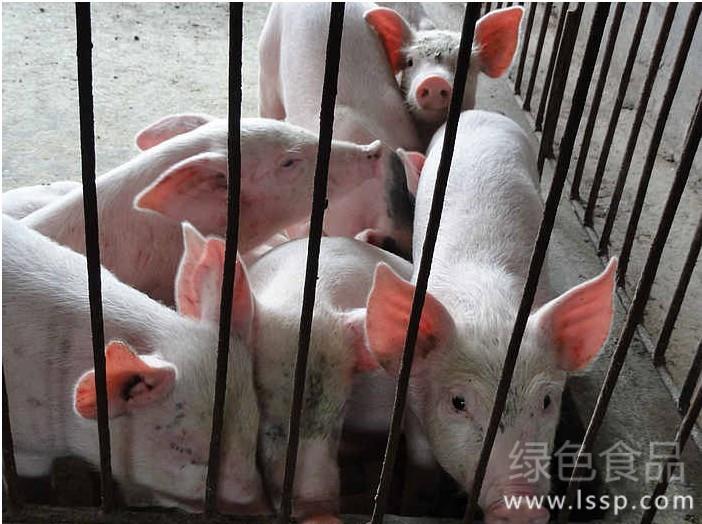
Key points for raising pigs in winter: cold protection and warmth must be done well
Key points for raising pigs in winter: strengthen cold protection and warmth
-
Potato Frost Protection and Post-Disaster Mitigation Measures After Snow and Ice Damage
(1) Functions and Uses 1. The effects of low temperatures on seed potatoes during storage and on seed potatoes and young sprouts (seedlings) after sowing. 2. Reduce the severity of snow and ice damage; promote the recovery of potato growth. (2) Technical Measures 1. Preventive measures against frost damage (1) During the storage of seed potatoes, pay attention to keeping them warm. Before low temperatures arrive, take preventive measures: place a straw mat under the seed pile and cover the top of the seed pile with straw mats or other coverings to prevent frost damage. (2) Adjust the sowing period appropriately to prevent frost damage. For
-
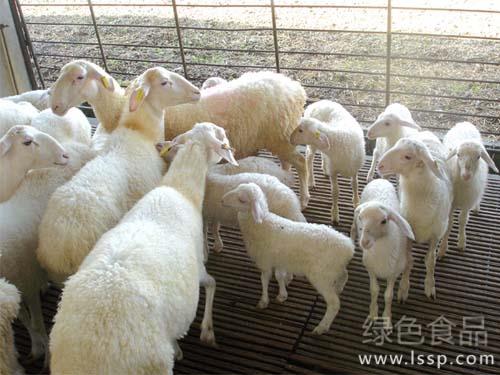
Techniques for Autumn Feeding and Management of Meat Sheep: Careful Management and Protection to Ensure Benefits
Careful Management and Protection to Ensure Benefits: Techniques for Autumn Feeding and Management of Meat Sheep
-
Lantang Pig Urgently Needs Conservation, Protection of Local Fine Breeds Is a Pressing Task
Lantang Pig: A Local Fine Breed Urgently in Need of Conservation. China's only inbreeding-tolerant local fine breed, priced as high as 8 yuan/jin. The Lantang pig originated in Lantang Town, Zijin County, Heyuan City, and has excellent characteristics such as early maturity and easy fattening, a docile temperament, tolerance of coarse feed, strong adaptability, strong reproductive capacity, thin skin, delicious meat, and a high degree of inbreeding tolerance. It is a local fine breed of China and has been included in the national-level livestock and poultry breed resource protection scope. However, due to changes in market demand in recent years, the number of Lantang pigs has dropped sharply, and the breed is in danger of extinction.
-
Correct methods for using cotton seedling protection agent
I. Methods for using cotton seedling protection agent The cotton seedling protection agent consists of three bags: large, medium and small. The specific seed soaking steps are: 1. Soak 5 kg of cotton seeds in clear water mixed with three parts hot (about 70°C) and one part cold for 5 minutes, remove the cotton seeds and squeeze out excess water. 2. Dissolve the small bag of reagent in 0.5 kg of clear water, pour it into the cotton seeds soaked in the three-hot-one-cold clear water, stirring while pouring, and after thorough stirring leave for 24 hours (stirring 2~3 times during this period). 3. Dissolve the medium bag of reagent in 1.54 kg of clear water, pour it into the cotton seeds soaked with the small bag of reagent
-
Technical measures for snow and freeze protection of mulberry trees, tea trees and fruit trees
I. Fruit: (1) Citrus: Before freezing, spray an anti-transpirant insulation agent on the tree canopy, and light smoke in the orchard to improve the freeze protection effect. For citrus affected by freezing injury, promptly remove curled, frost-killed leaves and withered shoot tips, bandage branches damaged by snow pressure, prune and shape branches broken by pressure, treat wounds with a wound protectant, promptly spray foliar fertilizer, and strengthen fertilizer and water management. For lightly frozen trees, apply 0.5% urea as a foliar topdressing 2-3 times; for severely frozen trees, it is advisable to apply light fertilizer multiple times in split applications. (2) Loquat: Insulate the tree disk by hilling soil or covering it with rice straw;
-
After spring tea is picked, the tea plant branches and stems need even more protection
Whether or not tea plants are managed after the spring tea harvest makes a big difference, because after the spring tea harvest the plant body has already consumed a large amount of nutrients. If management cannot keep up at this time, it will not only affect the yield and quality of summer and autumn tea, but also affect the yield and quality of next year's spring tea. Based on our farm's practical experience, the following key points should be carried out after the spring tea harvest: 1. Reasonable topdressing. According to measurements, producing every 50 kg of dry tea requires absorbing about 2.5-3 kg of nitrogen, 0.9-1.2 kg of phosphorus, and 1.1-1.5 kg of potassium from the soil. Between the tea plants, 30 cm
-
Key points of seedling protection techniques for newly planted early-sprouting tea: improving the survival rate of tea seedlings
In recent years, Chun'an County has accelerated the pace of developing clonal early-sprouting tea. By early 2007, Chun'an County had planted 53,000 mu of clonal early-sprouting tea (1 mu = 667 sq m, the same below), of which 38,000 mu were in production, and another 15,000 mu still needed strengthened drought resistance and seedling protection, with management aimed at improving the survival rate. Especially for tea gardens planted last winter and this spring, the following seedling protection measures must be effectively adopted. 1. Mulch with grass at the right time. Mulching with grass can preserve water and lower temperature, and loosen the soil; it is a key drought-resistance technique. Cutting grass
条件筛选