-

Analysis of the Causes of Citrus Fruit Cracking and Its Prevention and Control Techniques
Causes of Citrus Fruit Cracking and Prevention and Control Techniques
-
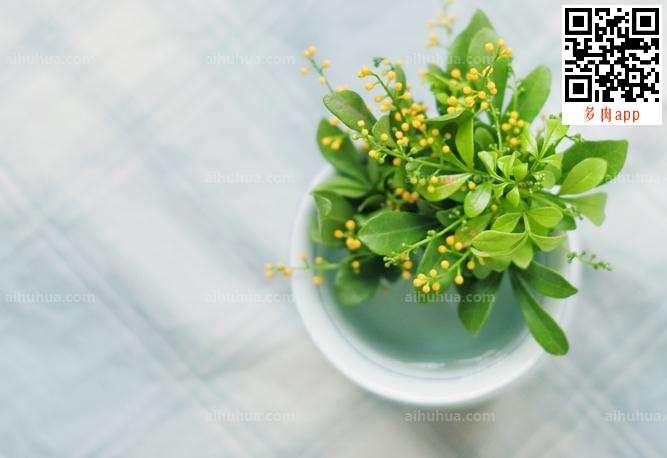
How to prevent Aglaia odorata from dropping leaves in winter
To prevent Aglaia odorata from dropping leaves in winter: Aglaia odorata has an elegant plant shape and a very long flowering period, but it tends to drop a large number of leaves in winter. To prevent winter leaf drop, protect it from wind and cold, and also water and fertilize it reasonably. In winter, the room temperature should be kept at 10-12°C, and it is best if the terminal buds of Aglaia odorata do not sprout. If the temperature is too high, it will sprout new leaves
-

Causes of the second physiological fruit drop in citrus and how to prevent and control it
What to do about the second physiological fruit drop in citrus
-
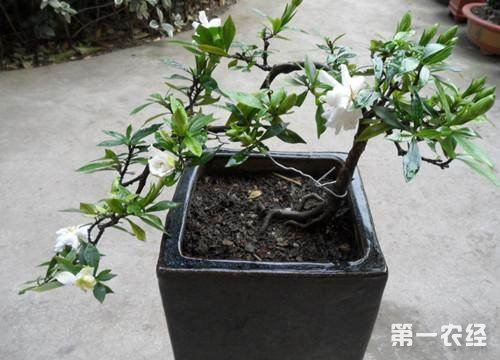
What to Do When Flowers Won't Bloom? Cause Analysis and Prevention Methods
How to prevent flowers from failing to bloom? Whether a flower blooms is influenced on the one hand by the plant's internal mechanisms, and on the other hand by external environmental conditions; neither can be missing. Flowers, like other plants, must go through a certain vegetative growth stage before they can shift into the reproductive growth stage
-

How to prevent and treat yellowing and dropping leaves on chrysanthemums?
During the growing process, chrysanthemums often show yellowing and dropping leaves, mainly caused by insufficient fertilizer and water, slowed plant growth; overly wet potting soil, excessive fertilizing; fertilizer solution splashing onto the leaves during fertilizing and soiling them; and pest and disease attacks. To prevent yellowing and dropping leaves on chrysanthemums, the main points to pay attention to are the following: First
-

How to prevent and control grape sunburn? These measures you need to master
Prevention and control measures for grape sunburn
-

What are the methods for preventing root rot and bud drop in tree peonies?
What should you do about root rot and bud drop in tree peonies? To prevent root rot and bud drop in tree peonies, the following methods can be used: (1) Water and fertilize at the right time and in the right amounts. Since tree peonies have fleshy roots and are prone to waterlogging, they should not be watered too often, and especially should not be given heavy watering; they are particularly susceptible to standing water, which otherwise easily causes root rot and leaf drop. Proper watering should follow the principle of watering when dry and stopping when moist
-
How to prevent and control leaf spot disease in geraniums? A detailed guide to practical methods
[Symptoms] In the early stage of the disease, chlorotic spots appear on infected leaves, and the spots gradually expand afterward, forming relatively large round lesions. The lesions are dark brown with concentric rings. In the late stage of the disease, a dark green mold layer appears on the lesions, which consists of the conidia of the pathogen
-
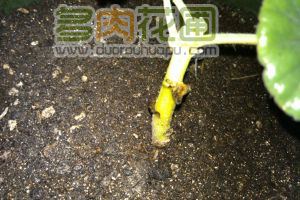
What are the methods to prevent root rot in geraniums?
Geranium, also known as shilabong, renlabong, hydrangea, and foreign hydrangea, is a subshrub or perennial herbaceous plant in the Geraniaceae family and the genus Pelargonium. It is covered all over with fine soft hairs and has a distinctive scent. It is native to southern Africa and is now widely cultivated around the world. It prefers a cool climate, with an optimum temperature of 10-25°C, and can tolerate low temperatures of 0°C.
-
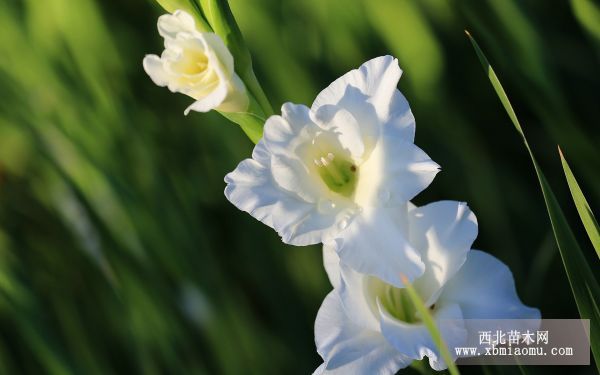
What pests and diseases affect gladiolus? Detailed guide to prevention and control methods
The main pests and diseases of gladiolus include corm rot, fusarium wilt, rust, nematodes and root mites. Prevention and control of corm rot: this is a disease that frequently occurs during corm storage. Initially, light brown slightly sunken and wrinkled lesions appear on the corms, which shrink and become dry and hard, with a blue-green mold layer forming on them. After planting, the plants either fail to sprout or grow abnormally
条件筛选