-

How to Propagate Zephyranthes grandiflora? Detailed Methods and Precautions
Zephyranthes grandiflora is not difficult to cultivate, but its leaves turn yellow and wither in winter. The underground bulbs will not freeze to death, and new leaves will grow again the following spring. Nowadays, many gardening enthusiasts grow Zephyranthes grandiflora in pots. Artificial propagation of Zephyranthes grandiflora can be done by division.
-
How to Propagate Canna Lilies? Methods and Precautions Explained
The canna lily, with its red flowers and green leaves, has very low requirements for its growing environment, but it is mostly seen in subtropical regions because it is not cold-tolerant. Its flowers are relatively large, and its blooming period is also relatively long. Some scenic areas cultivate it in large patches for visitors to admire. When a breeze passes by, the floral fragrance is rich, making it an excellent variety for flower viewing in spring and summer.
-
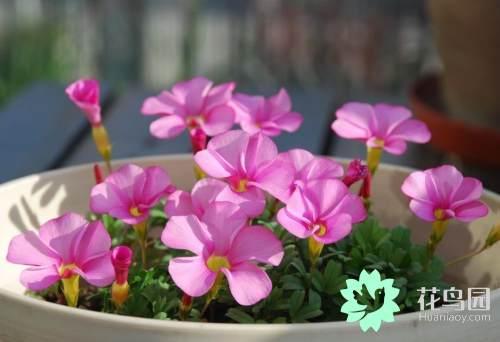
What are the cultivation methods and precautions for oxalis?
Oxalis is a plant with extremely high ornamental value. Its flowers are very delicate and small, with bright colors and a long flowering period, and it is deeply loved by flower enthusiasts. However, growing oxalis requires certain skills, so how exactly should it be planted...
-
-

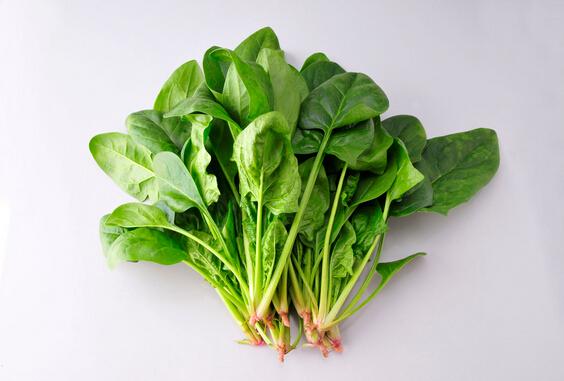
Organic fertilizer replacing chemical fertilizer pilot program announced, things to know about application precautions early
Organic fertilizer replacing chemical fertilizer pilot program announced, if you still don't know the precautions for organic fertilizer application, it's too late!
-
Can Spider Plants Be Grown in Water? Hydroponic Methods and Precautions
Spider plants can be grown in water. Not only is the ornamental value better, thanks to the contrast of the transparent water; it is also more hygienic, because there is no need to water frequently. However, some issues need attention: the roots need to be half submerged in water, not fully submerged; for fertilizing, it is best to use a nutrient solution, and not apply it too frequently - once a month is enough.
-
Hydroponic Hyacinth Growing Methods and Precautions
To grow hyacinth hydroponically, first wash its bulb clean, put water in a vase, and keep the bulb 2 to 5 mm away from the water surface; then control the temperature at 9 degrees and place it in a dark place; when the flower bud grows to 5 to 8 cm, adjust the temperature to between 15 and 21 degrees; then add nutrient solution as needed and change the water every 7 days.
-
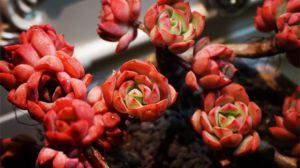
How to grow the Echeveria 'Red Velvet' succulent? Detailed care methods and precautions
When growing the Echeveria 'Red Velvet' succulent, water promptly in spring and autumn, and control the amount of water in summer when temperatures are high. Give it plenty of light; in summer when the sunlight is too intense, provide appropriate shade. Give it a growing environment of 15-28°C; in winter the temperature must not be too low, at minimum not below 5°C. Propagation is mostly done by leaf cuttings.
-
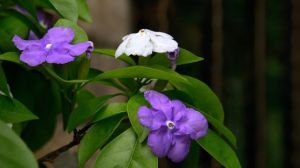
How to grow Murraya paniculata? Detailed guide to cultivation methods and precautions
When growing Murraya paniculata, use loose soil as much as possible, give it plenty of light every day, and fertilize once each in spring and autumn; do not apply nitrogen fertilizer on its own. Propagation is mostly done by cuttings, and common pests and diseases should also be prevented and controlled, spraying with pesticide as soon as they are found.
-
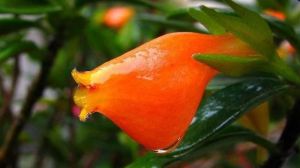
How to grow goldfish plant? Detailed guide to cultivation methods and precautions
Soil: To grow goldfish plant, it is best to use a breathable, well-draining sandy soil. Water: During the vigorous growth period, it needs sufficient water, and the soil must be kept moist at all times. Temperature: Give it a growing environment of 16-26°C, and in winter the temperature should not drop below 5°C. Fertilizing: Apply diluted cake fertilizer water 1-2 times every month. After the flowering period, prune off diseased and weak branches.
条件筛选