-
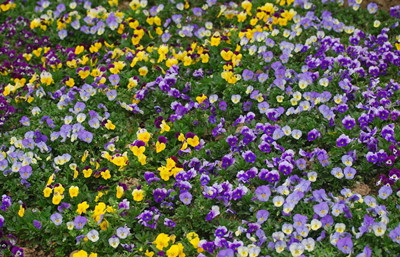
How to extend the flowering period of pansies? These methods are very practical
There are two main ways to extend the flowering period of pansies: 1. Use different sowing times: pansies generally bloom about 2 months after sowing, so sowing in spring means blooming from June to September, sowing in summer means blooming from September to October, sowing in autumn means blooming in December
-
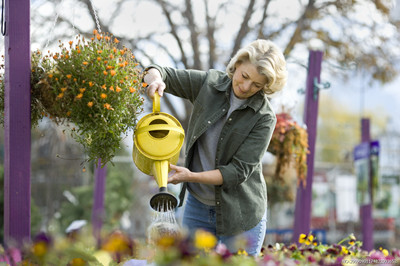
How to water houseplants? Sharing a few practical tips
1. Watering flowers with leftover tea: Using leftover tea to water flowers not only keeps the soil moist but also adds nutrients such as nitrogen to the plants. However, you should water regularly and in moderation according to the moisture level of the pot, rather than pouring leftover tea on whenever you have it. 2. Watering flowers with spoiled milk: After milk spoils, dilute it with water to water flowers, which benefits the growth of the plants
-
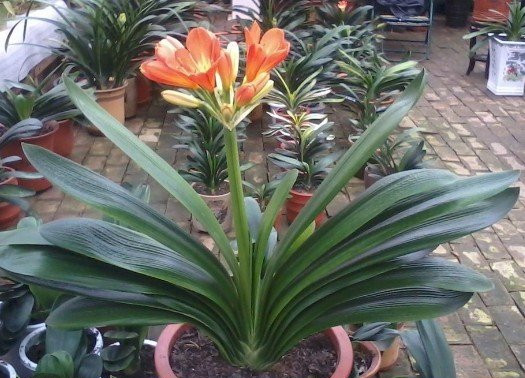
How to grow Clivia well in the south? Practical care tips
Clivia (Clivia miniata), a herbaceous plant grown both for its flowers and its foliage, is deeply loved by flower enthusiasts. Especially in Northeast China, almost any household that grows flowers has a pot of clivia. But clivia is not only cultivable in the north; the south is equally suitable for growing it.
-
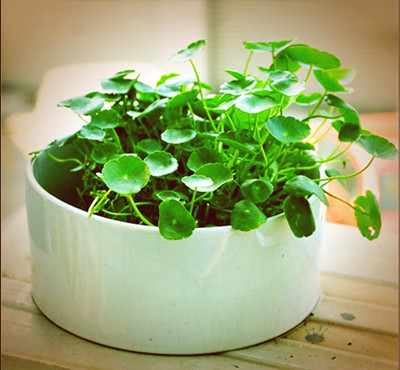
How to grow pennywort? Practical cultivation tips shared
Pennywort, also called marsh pennywort, is a perennial emergent or hygrophytic herb. The plant height is 5-15 cm. The stem tip is brown. Submerged leaves have long petioles, are roundly peltate, 2-4 cm in diameter, with wavy margins, grass-green. Flowers are bisexual; umbellate inflorescences; small flowers are white-pink. Schizocarps. Flowering period is June to August. Its stem nodes are distinct, one node after another
-
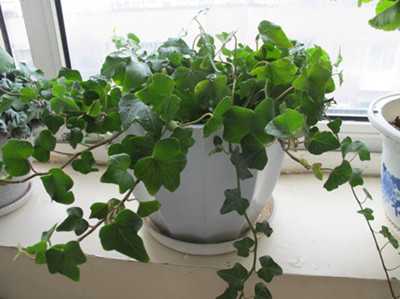
What to do about small flying insects in the flower soil? A few practical methods to teach you
Summer is here, and some flower growers have noticed a lot of small flying insects around their flower pots, which is very annoying. They do not know what to do about small flying insects in the flower soil. Flower growers have summed up quite a few methods for eliminating small flying insects, and this article lists them one by one for flower growers' reference. Method one for eliminating small flying insects: soak orange peel in water and leave it in the sun for 3 days
-
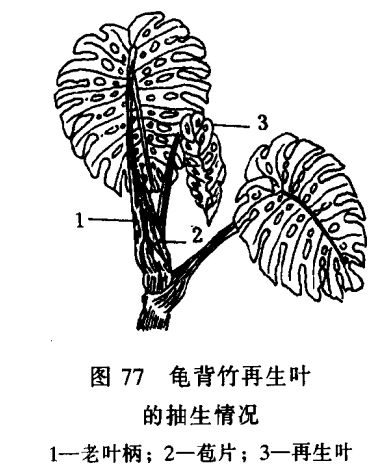
How to Propagate Monstera deliciosa? Several Practical Methods
For Monstera deliciosa grown in pots in northern China, because a constant temperature cannot be maintained year-round, although perennial old plants do flower, they rarely set fruit, so stem cuttings are used to propagate new plants. Potted Monstera deliciosa usually has only a single stem, and as new leaves emerge the stem keeps extending forward, rarely producing side branches
-
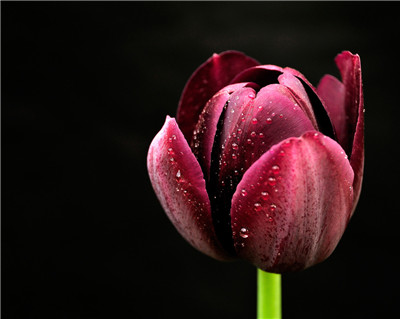
Some Practical Tips for Growing Tulips
Tulips have beautiful flower shapes and graceful plant forms, making them common ornamental plants. In recent years, they have become quite popular in the cut flower market, and the long, elegant flower stems of tulips make them excellent material for flower arranging. Tulips have broad market prospects, and the following points should be noted when cultivating them
-

How to prevent and treat pica in pigs? A detailed explanation of practical methods
When pigs crave and eat things they normally do not eat, it is called pica. Pica is a symptom caused by metabolic disorders and nutritional deficiencies, and it generally tends to occur in piglets and sows raised indoors. There are many causes of pica, and it mainly generally occurs in young pigs and sows. 1. Causes: improper feed formulation, lack of vitamins, minerals such as phosphorus and calcium, and certain elements such as iron, copper, manganese, cobalt, or inorganic salts. Other conditions such as chronic gastroenteritis, osteomalacia, and parasitic diseases can also cause it. 2. Symptoms: young pigs like to gnaw soil, pen wood, sand
-
How to Identify the Quality of Fish Fry? An Introduction to Practical Methods
Fish farmers have accumulated a wealth of experience in practice, among which the methods for identifying the quality of fish fry are both simple and practical, and are worth learning by farmers everywhere. The first is to directly observe and assess the fish's body condition with the naked eye. Superior fish fry: fry of the same age and same species are uniform in size, with small heads and thick backs, bright body color, moist and glossy skin, and no parasites. They swim actively, gather in schools, have a strong ability to swim against the current, and react quickly when startled; whereas inferior fish fry are uneven in size, with large heads and narrow backs, thin tail stalks, dull body color, and injured body surfaces or parasites. They swim
-
How to control the copper-green chafer? Practical methods shared
(1) Manual control: During the peak emergence period of adults, in the evening, kill the adults by combining artificial tree shaking with light traps outside the orchard. (2) Chemical control: In the early emergence period of adults, spray 2.5% trichlorfon powder on the tree disks of orchards with high insect density, then shallow hoe and mix it in, which can kill the adults that have emerged from the soil; during the peak period, before dark, spray the trees with 80% dichlorvos emulsifiable concentrate at 1000-1500 times dilution, adding 20% fenvalerate emulsifiable concentrate at 2000 times dilution, and spray again after 7-10 days (avoiding the flowering period), which can control the damage. Other chafer species can be controlled by
条件筛选