-

How to prevent and control grape diseases in the rainy season? A detailed guide to practical methods
The peak period for many diseases such as grape downy mildew, white rot and anthracnose is summer. The occurrence of downy mildew can cause grape leaf drop, dead branches, rotten fruit and even death. Therefore, China Agricultural Technology Network reminds you to strengthen vineyard management during the rainy summer season and to prevent and control diseases in good time. 1. Clean the vineyard: if in the vineyard...
-
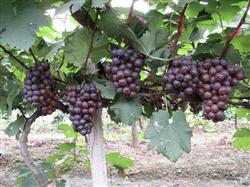
How to improve the market quality of grapes? Detailed practical measures
1. Cluster selection: keep good clusters with a neat shape, uniform fruit set, and a drooping posture. 2. Cluster shape adjustment: on the basis of conforming to the variety's natural shape, tidy them up slightly; clusters of the same variety throughout the vineyard should be basically uniform. 3. Cluster elongation: for varieties with a high fruit-set rate, when the cluster is 7-10 cm long,...
-
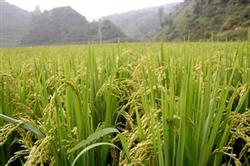
What are the practical measures for increasing rice yields?
Apply "no-deep-tillage" soil conditioner to increase soil permeability, promote rice root growth and development, and improve the rice plant's fertilizer use efficiency, thereby increasing rice yield. On this basis, firmly grasping the following measures also has a huge effect on increasing rice yield. 1. Increase the number of panicles. ① Cultivate strong seedlings. To...
-
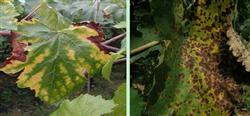
How to Prevent and Control Grape Leaf Blight? A Full Analysis of Practical Methods
Grape leaf blight starts on the lower leaves of the plant and gradually spreads upward. It can occur from June to November, with July to September being the peak period. It is severe in rainy years and in poorly managed vineyards. Prevention and control methods: 1. After autumn, thoroughly clear away fallen leaves in the vineyard to reduce or eliminate the overwintering source of the disease. During the grape growing season...
-
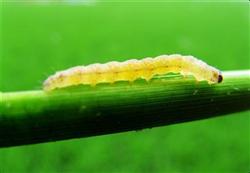
How to prevent and control common rice pests and diseases? A detailed practical guide
Rice bacterial leaf blight is a bacterial disease of rice leaves. The pathogen is Xanthomonas oryzae pv. oryzae in the prokaryote kingdom. The bacterium invades through wounds and water pores in the roots, stems and leaves, and reproduces and causes damage in the vessels of the vascular bundles. Seedlings and tillering stages are the most susceptible. Seedling leaves mostly show leaf blight symptoms. In susceptible varieties...
-
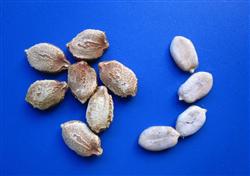
How to germinate bitter melon seeds? A few practical tips for speeding up germination
1. Prepare warm water at about 55°C and pour it into a thermos bottle or another container that can retain heat; put the bitter melon seeds in a gauze bag and rinse them clean with water, gently rubbing the seeds while washing to remove the water-resistant substance on their surface; soak the washed seeds in the prepared warm water, keep them warm for 10 minutes, stirring constantly, then add...
-
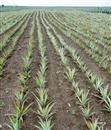
Detailed Explanation of Practical Experience in Off-Season High-Yield Cultivation Techniques for Pineapple
Pineapple planting methods include double-row, three-row and four-row. In the double-row system, the commonly used bed and furrow together are 150cm wide, with a single plant arranged in each of the two rows. Its advantages are: the bed furrow is relatively wide so the fibrous roots can spread outward, the plant and row spacing on the bed is relatively uniform, the stem bases press against each other, and the leaves spread out to form a hemispherical surface, which can fully utilize sunlight and easily form between-row...
-
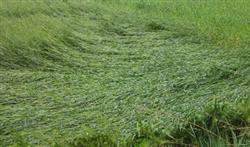
How to prevent spring wheat from freezing damage? Practical anti-freezing methods
"Lodging" is one of the main obstacles affecting wheat yield under high-fertilizer and high-water conditions. In recent years, the promotion and application of plant growth regulators in wheat production has opened up a new way to prevent lodging and promote yield increases, and is an important supporting technical measure for high and stable wheat yields. 1. Spraying paclobutrazol: during the wheat stem elongation stage, every...
-
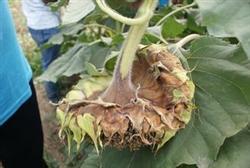
How to prevent and control sunflower sclerotinia? A detailed guide to practical methods
To prevent and control sunflower sclerotinia, the first thing to pay attention to is practicing crop rotation and removing diseased plant residues. Sunflower should be rotated with grass-family crops such as broomcorn millet, foxtail millet and corn, and continuous cropping with legumes and solanaceous crops should be avoided. The rotation period should be at least 3 to 5 years. At autumn harvest, remove the stalks as much as possible, dig out the root stubble and plow deeper than 10 cm. Next is...
-

What are some practical methods to reduce empty shells in sunflowers?
I. Symptom identification 1. Sunflower rust is a major disease of sunflowers, reducing yields by 40-80% in pandemic years. After infection, rust-like spore piles can form on leaves, petioles, stems, flower disks and other parts. When leaves are infected, small brown blisters first appear on the underside of the leaves; these are the uredinia of the pathogen, and after the surface ruptures, brown...
条件筛选