-

Key Technical Points for Disease Prevention and Control in Pollution-Free Black Carp Pond Aquaculture
1 Preventive measures Adhere to the principle of early prevention of disease-free fish, early treatment of diseased fish, with prevention taking priority over treatment. 1.1 Pond cleaning and disinfection; 1.2 Fry disinfection; 1.3 Feed disinfection The feed fed should be fresh, clean and hygienic. After washing snails and clams, select fresh and live ones for feeding; soak green feed in 3mg/L to 5mg/L bleaching powder solution for 20min to 30min; add or spray liver and gallbladder rehabilitation agents and vitamin C to compound feed to prevent black carp hepatobiliary syndrome. 1.4 Feeding ground disinfection
-
Detailed Explanation of Pollution-Free Prevention and Control Methods for Vegetable Pests and Diseases
Pollution-Free Methods for Preventing and Controlling Vegetable Pests and Diseases
-
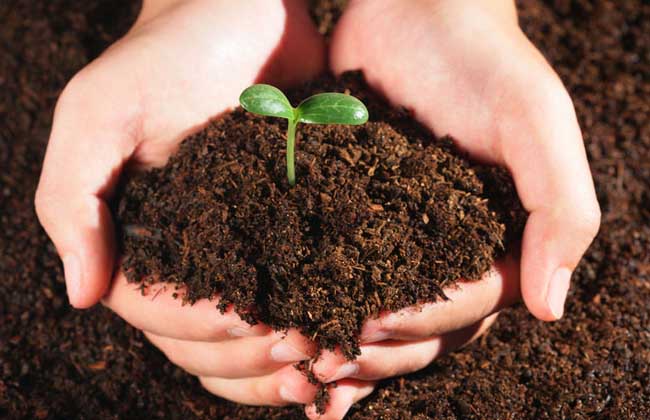
Classification of Soil Pollution and Detailed Explanation of Prevention and Control Methods
Classification and Prevention of Soil Pollution
-
Pollution-Free Fish Disease Prevention and Control Methods and Technical Key Points
Animal-Plant Symbiosis: Aquatic plants and fish coexist in the same pond, and the fish rarely get sick. The aquatic plants planted in the fish pond are rice or lotus root, oriented east-west, with a wide row spacing (greater than 33 cm), occupying no more than 50% of the total water area, so that the lighting effect is good. The water depth depends on the water tolerance of the aquatic plants; rice is generally within 30 cm, while lotus root can generally reach over 50 cm. The farmed fish can be conventional or famous, special, and excellent new varieties. The farming method can be fry rearing or grow-out fish farming. Because residual bait, fish feces, and other matter deposit at the bottom of the pond, ferment, and rot, not
-
How is pollution-free prevention and control of pests and diseases in oyster mushrooms carried out?
During oyster mushroom cultivation, infections by various contaminant fungi such as green mold, blue mold, Mucor and Neurospora can occur, as well as damage by various pests such as mushroom mites, mushroom flies and mushroom gnats, sometimes even causing total loss of yield. Oyster mushrooms are a fast-growing, fresh and tender food, so pesticides with long residual effects and highly toxic pesticides are not suitable for use. Adopting pollution-free prevention and control techniques to manage pests and diseases is of great significance for producing safe and healthy edible mushroom products. 1. Environmental hygiene The utensils and materials used for edible mushroom cultivation can be moved into the mushroom shed and fumigated in a sealed environment with formaldehyde to sterilize and kill insects, eliminating harmful fungal and insect sources. 2. Raw
-
The Harm of Heavy Metal Pollution to Fish and Prevention and Control Measures
The Harm of Heavy Metals to Fish and Pollution Prevention and Control
-
Detailed Explanation of Key Points for Pollution Prevention and Control in Livestock and Poultry Farming
Key Points for Pollution Prevention and Control in Livestock and Poultry Farming
-
Implementation Plan for the Battle against Pollution Prevention and Control (2018-2020) issued
Issuance of the "Implementation Plan for the Battle against Pollution Prevention and Control (2018-2020)
-
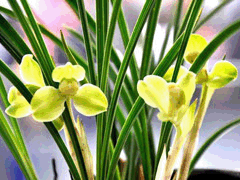
What are the pollution-free prevention and control methods for orchid pests and diseases?
How to prevent and control orchid pests and diseases without pollution
-
Soil Pollution Prevention and Control Urgently Needs a Legal Basis
Soil legislation that has long attracted outside attention has made new progress. Recently, the Department of Ecology of the Ministry of Environmental Protection held a symposium with soil remediation enterprises to solicit opinions for the drafting of the Soil Environmental Protection Law. A relevant official of the Department of Ecology of the Ministry of Environmental Protection said that the next step will be to strengthen soil legislation
条件筛选