-

How to Adjust and Maintain the John Deere 2625 Disc Harrow
The John Deere 2625 disc harrow is a commonly used medium-to-large tillage machine. This article introduces the disc harrow's soil-breaking working principle, methods for adjusting harrow depth and disc angle, operating precautions and routine maintenance points, to help operators make good use of the machine and improve tillage quality.
-
How to Grow Firestorm Succulent? Light, Watering, Temperature Control and Coloring Tips
How do you grow Firestorm succulent so it turns red? This article covers light, watering, soil mix, summer and winter care, and propagation methods for Firestorm, helping you grow plants with fiery red leaves and a compact shape. Simple and practical, suitable for beginners.
-
What are the temperature, light, water and soil requirements for apple cultivation?
The basic parameters of apple cultivation include temperature, light, water and soil conditions. This article introduces the environmental requirements for apple cultivation and the key points for selecting varieties and rootstocks, helping fruit growers scientifically choose sites and establish orchards for stable and high yields.
-
Key Points for Using a Grape Vine Burying Machine and a Guide to Inspecting Used Machines
How do you choose and use a grape vine burying machine? This article introduces the working principle of the grape vine burying machine, key points for burying soil for cold protection, and tips for inspecting used agricultural machinery, helping growers improve efficiency and avoid detours.
-
How to Grow Hosta ventricosa? Key Points on Light, Soil, Water, Fertilizer and Propagation
Hosta ventricosa (also known as purple hosta) is a shade-tolerant flowering perennial. This article covers the key techniques for growing Hosta ventricosa, including light, soil, water and fertilizer management, division propagation, and pest and disease control, helping you grow it easily for courtyard greening and beautification.
-

Phalaenopsis orchids rot as soon as they're planted in soil - it turns out they're just not suited to soil by nature
Many beginner gardeners have found that no sooner do they plant a Phalaenopsis orchid in potting soil than, within two weeks, the roots have rotted to a mushy mess. Only later did they figure it out: this orchid is naturally "no fan" of soil. Phalaenopsis is native to tropical forests, where it doesn't grow on the ground but clings to tree trunks and lives attached in rock crevices. In the wild its roots
-
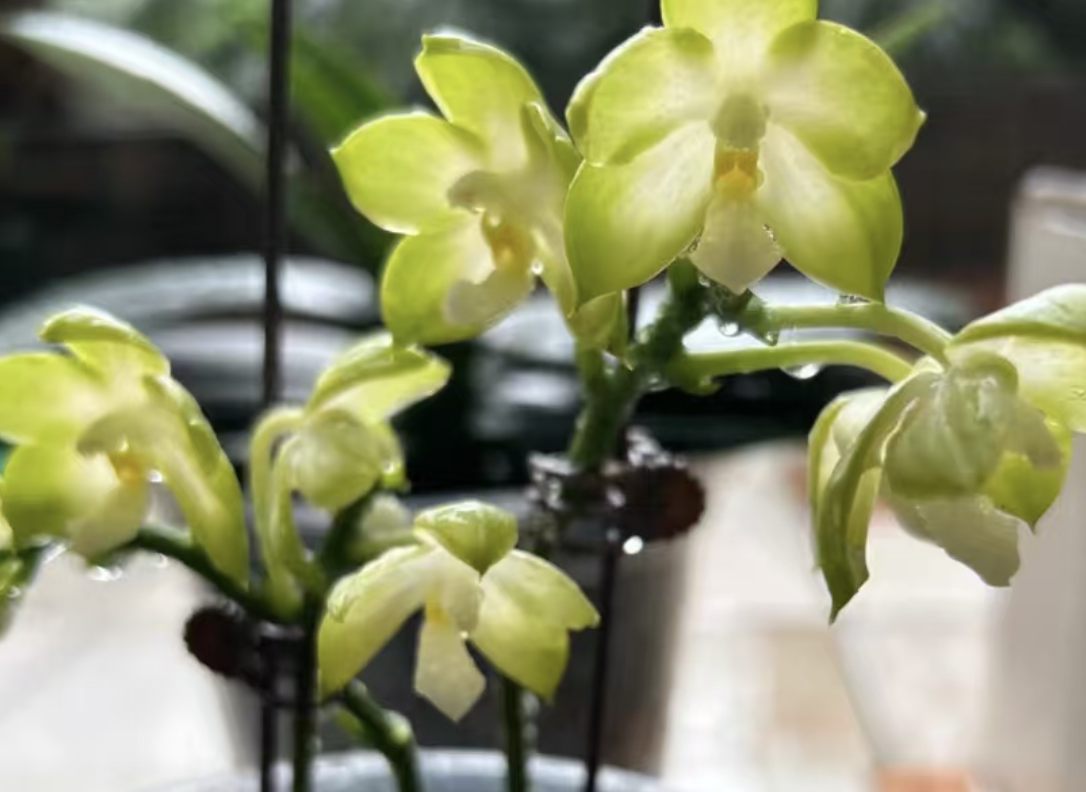
What kind of soil does the root system of Phalaenopsis orchids prefer? What is the function of the Phalaenopsis orchid's root system?
April is already halfway through, and the weather is gradually transitioning from cool to hot. At this time, the sky gets bright very early in the morning,
-
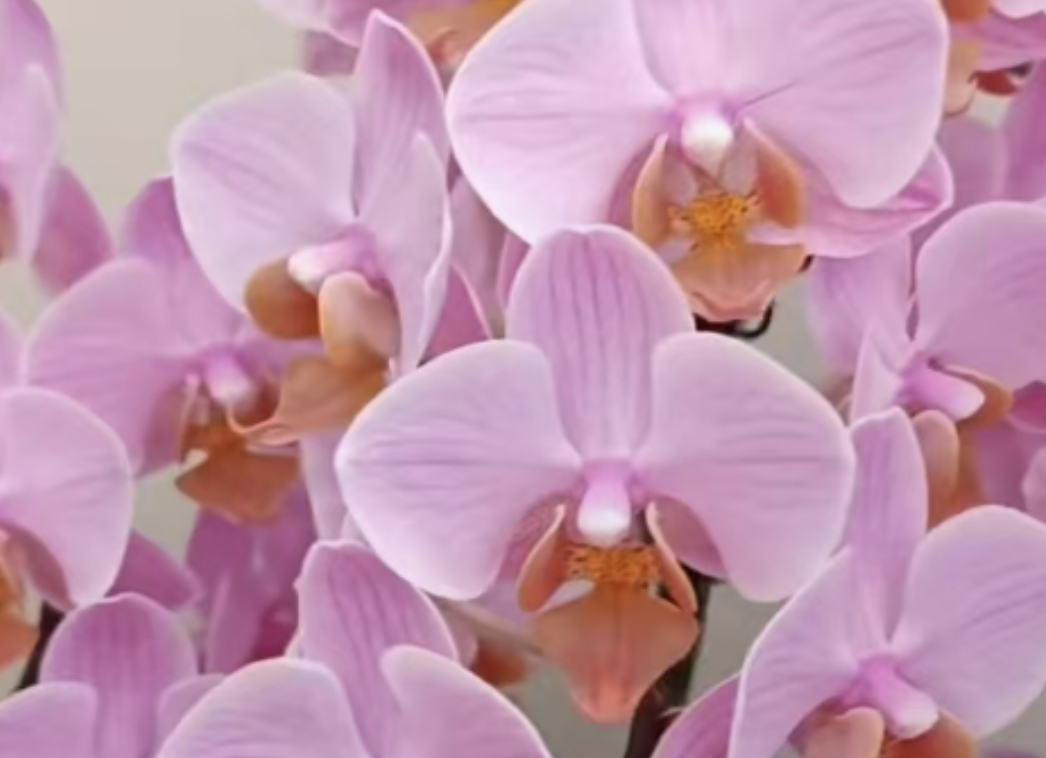
Why do Phalaenopsis orchids rot when planted in soil? It turns out they are naturally not fond of soil
Many beginner plant enthusiasts find that after planting their Phalaenopsis orchids in nutrient soil, their roots rot horribly within just a couple of weeks.
-

How to mix potting soil for Phalaenopsis orchids? Bark or sphagnum moss for faster growth
Growing flowers and plants inevitably runs into the problem of compaction, especially with the "outstandingly beautiful" Phalaenopsis orchid, because its roots are more sensitive than those of ordinary flowers. If the soil medium has problems, the plant's leaves, flower buds, and roots will all stall. Therefore, it is recommended to check the roots after 2 years of growing, and the best scenario is
-

Detailed steps for repotting and changing the soil of a Phalaenopsis orchid: what do you do when the roots are too long to fit into the pot?
"You can't repot a Phalaenopsis orchid well without a few tricks." This remark comes from a shop owner with years of experience, because having a professional repot it costs 25 yuan each time. Is this just the owner's smooth talk to make money, or is it really true if you try it? The editor can say responsibly that the answer is actually half and half.
条件筛选