Classification of Soil Pollution and Detailed Explanation of Prevention and Control Methods
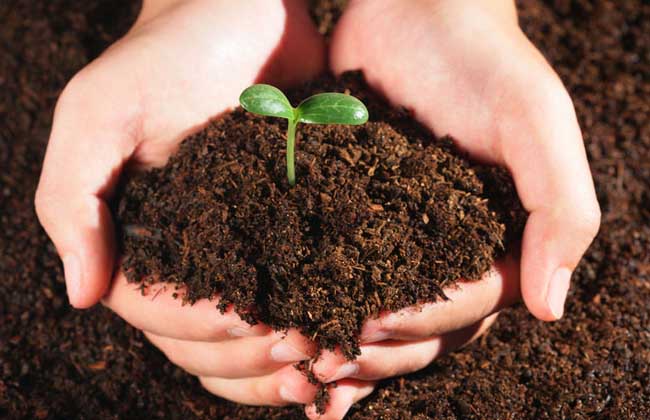
Soil pollutants can be broadly divided into two major categories: inorganic pollutants and organic pollutants. Inorganic pollutants mainly include acids, bases, heavy metals, salts, radioactive elements, and compounds containing arsenic, selenium, and fluorine, among others. Organic pollutants mainly include organic pesticides, phenols, cyanides, petroleum, synthetic detergents, and harmful microorganisms brought by urban sewage, sludge, and manure.
Inorganic Pollution of Soil
1. Industrial wastewater: Irrigating farmland with industrial wastewater that has not been treated or does not meet discharge standards is the main pathway for pollutants to enter the soil. The consequence is the formation of pollution belts on both sides of irrigation canal systems, which is a closed-type localized pollution.
2. Acid rain: Harmful gases such as SO2 and NO emitted by industry react in the atmosphere to form acid rain, which enters the soil in the form of natural precipitation and causes soil acidification. Metal oxide dust emitted from smokestacks of the metallurgical industry enters the soil in the form of dustfall under the action of gravity, forming point-source pollution centered on the polluting factory with a radius of 2 to 3 km.
3. Exhaust emissions: Tetraethyl lead, an anti-knock agent added to gasoline, is discharged with exhaust gas and pollutes the soil. Obvious lead pollution belts often form on both sides of roads with high traffic frequency.
4. Accumulated materials: The soil at accumulation sites is directly polluted, and secondary diffusion under natural conditions will form pollution over a larger area.
5. Agricultural pollution: Agricultural pollution is of the open type in agricultural areas.
Organic Pollution of Soil
1. Sewage discharge: Domestic sewage and industrial wastewater contain many nutrients needed by plants, such as nitrogen, phosphorus, and potassium, so rational use of sewage for farmland irrigation generally has a yield-increasing effect. However, sewage also contains many toxic and harmful substances such as heavy metals, phenols, and cyanides. If sewage is used directly for farmland irrigation without necessary treatment, the toxic and harmful substances in the sewage will be carried to the farmland and pollute the soil.
2. Waste gas: Harmful gases in the atmosphere are mainly toxic waste gases discharged from industry, have a large pollution area, and can cause serious pollution to the soil. Harmful gases enter the soil through deposition or precipitation and cause pollution. For example, waste gas discharged from non-ferrous metal smelters contains heavy metals such as chromium, lead, copper, and cadmium, polluting nearby soil. Factories producing phosphate fertilizer and fluoride cause dust pollution and fluorine pollution to nearby soil.
3. Chemical fertilizers: Applying chemical fertilizers is an important measure for increasing agricultural production, but unreasonable use can also cause soil pollution. Long-term large-scale use of nitrogen fertilizer will destroy soil structure, cause soil compaction, deteriorate biological properties, and affect crop yield and quality. Excessive use of nitrate nitrogen fertilizer will cause feed crops to contain too much nitrate, hinder oxygen transport in livestock bodies, make them sick, and in severe cases lead to death.
4. Pesticides: Pesticides can control diseases, insects, and weeds, and proper use can ensure increased crop yields, but they are also a type of soil pollutant with great harm, and improper application can cause soil pollution. Of the pesticides sprayed on crops, apart from the portion absorbed by plants or escaping into the atmosphere, about half falls onto the farmland. This portion of pesticides, together with pesticides directly applied to the field, constitutes the basic source of pesticides in farmland soil.
5. Solid pollution: Industrial waste and municipal garbage are solid pollutants of soil. For example, various agricultural plastic films are widely used as coverings for greenhouses and mulching. If management and recycling are poor, large amounts of residual film fragments scatter in the fields, causing “white pollution” in farmland. Such solid pollutants are neither easy to evaporate nor volatilize, nor easy to be decomposed by soil microorganisms, and are pollutants that remain in the soil for a long time.
Prevention and Control of Soil Pollution
1. Scientific sewage irrigation: Industrial wastewater comes in many types and has complex composition. Wastewater discharged by some factories may be harmless, but after mixing with wastewater discharged by other factories, it becomes toxic wastewater. Therefore, before using wastewater to irrigate farmland, purification treatment should be carried out according to the standards stipulated in the "Farmland Irrigation Water Quality Standard." This both utilizes the sewage and avoids polluting the soil.
2. Rational use of pesticides: Rational use of pesticides can not only reduce pollution of the soil, but also economically and effectively eliminate diseases, insects, and weeds, and give play to the positive effectiveness of pesticides. In production, it is necessary not only to control the dosage, scope of use, spraying frequency, and spraying time of chemical pesticides and improve spraying techniques, but also to improve pesticide formulations, strictly limit the use of highly toxic and high-residue pesticides, and attach importance to the development and production of low-toxicity and low-residue pesticides.
3. Rational application of chemical fertilizers: According to soil characteristics, climatic conditions, and crop growth and development characteristics, apply fertilizer by formula and strictly control the scope of use and dosage of toxic chemical fertilizers. Increasing the application of organic fertilizer and raising the content of soil organic matter can enhance the adsorption capacity of soil colloids for heavy metals and pesticides. For example, humic acid can absorb and dissolve triazine herbicides and certain pesticides, and humus can promote the precipitation of cadmium, etc. At the same time, increasing organic fertilizer can also improve the flow conditions of soil microorganisms and accelerate the biodegradation process.
4. Application of chemical amendments: Applying inhibitors to soil lightly polluted by heavy metals can convert heavy metals into poorly soluble compounds and reduce absorption by crops. Commonly used inhibitors include lime, alkaline phosphates, carbonates, and sulfides, etc. For example, applying lime or alkaline furnace ash, etc., to acidic and slightly acidic soil polluted by cadmium can convert active cadmium into poorly soluble substances such as carbonates or hydroxides, with a remarkable improvement effect.